
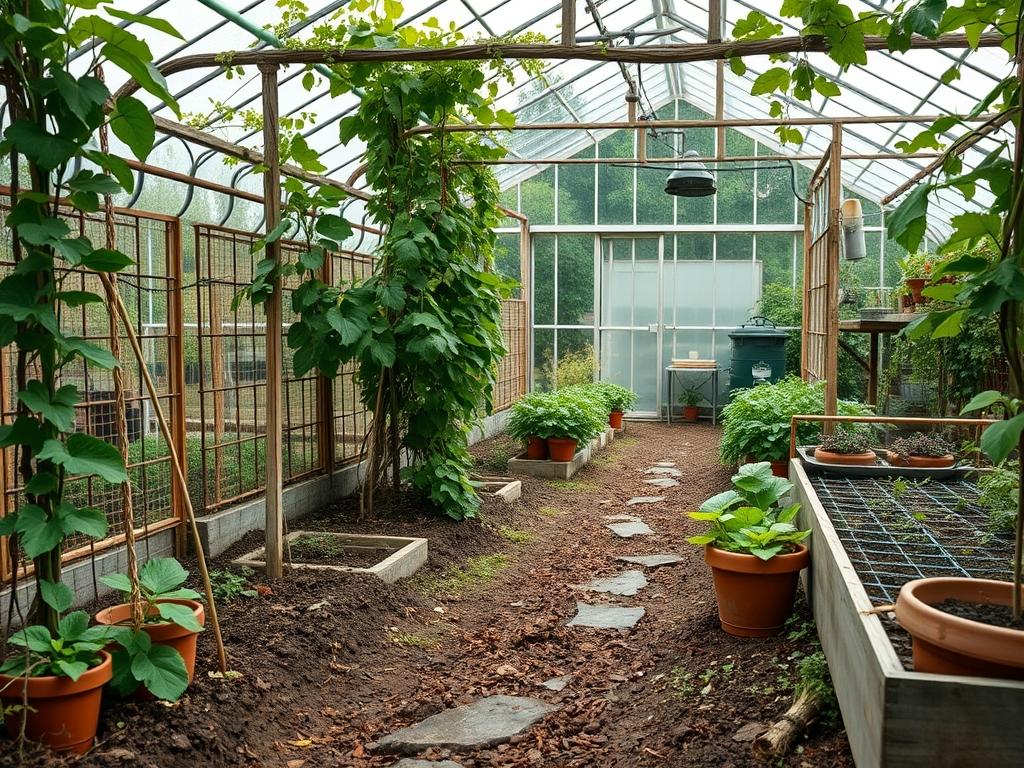
Integrating a productive grapevine into a residential landscape requires a sophisticated balance between structural engineering and horticultural science. For homeowners, the primary challenge involves managing the vigorous growth of the vine while ensuring the structure enhances the overall curb appeal of the property. A well designed trellis system does more than simply support fruit; it serves as a vertical architectural element that can define outdoor rooms, provide natural screening, and create cooling microclimates. From a consulting perspective, the successful implementation of Backyard Grapevine Trellis Tips begins with site analysis. One must consider the prevailing wind loads, as a fully leafed vine acts as a sail. If the trellis is not anchored correctly, a summer storm can topple the entire installation. Furthermore, the orientation must maximize solar exposure while accounting for the shadow cast by existing structures or mature trees. By treating the trellis as a permanent piece of the hardscape rather than a temporary garden accessory, you ensure the longevity of both the wood and the plant.
LANDSCAPE DESIGN PRINCIPLES
Effective vineyard integration hinges on the professional application of symmetry and focal points. A trellis should rarely exist in isolation; instead, it should align with the existing geometry of the home. Using Cedar posts to mirror the wood species used on a deck creates a sense of continuity that feels intentional rather than haphazard. Elevation layers are equally vital. By varying the height of the trellis from a 6-foot privacy screen to a 10-foot overhead pergola, a designer can guide the eye through the garden. This layering creates depth and prevents the landscape from feeling two-dimensional.
Irrigation planning must be baked into the design from the start. We often recommend subterranean Drip irrigation lines hidden beneath Steel landscape edging to maintain a clean aesthetic while delivering water directly to the root zone. Walkways should be wide enough to accommodate a wheelbarrow, typically at least 36 inches, and should be surfaced with permeable materials like Crushed limestone or Decomposed granite. This maintains visual balance and functional access for seasonal pruning. Finally, consider the focal point. A trellis spanning a gateway or framing a distant view of a fountain creates an inviting transition between different zones of the backyard.
PLANT AND MATERIAL SELECTION
| Plant Type | Sun Exposure | Soil Needs | Water Demand | Growth Speed | Maintenance Level |
| :— | :— | :— | :— | :— | :— |
| Concord (Table) | Full Sun | Deep, Loamy | Moderate | Fast | Medium |
| Thompson Seedless | Full Sun | Sandy, Well-drained | High | Very Fast | High |
| Muscadine (Native) | Full/Partial Sun | Acidic (pH 5.5-6.5) | Low | Moderate | Low |
| Cabernet Sauvignon | Full Sun | Rocky, Lean | Low | Moderate | High |
| Niagara (White) | Full Sun | Rich, Organic | Moderate | Fast | Medium |
IMPLEMENTATION STRATEGY
The transition from a design concept to a physical structure requires a disciplined approach to grading and drainage. Before the first post is set, the site must be graded to ensure water flows away from the base of the vine. Standing water is the primary cause of root rot in Vitis vinifera. Start by marking your post locations using Layout strings and Landscaping stakes. For a standard backyard setup, use 4×4 pressure-treated timber or 6×6 cedar posts for the main uprights. These should be buried at a depth of at least 36 inches in colder climates to stay below the frost line.
Once the posts are secured with Quick-set concrete, install the support wires. We recommend 12-gauge galvanized steel wire for its durability and resistance to rust. Use Eye bolts and Turnbuckles at the end of each run to allow for annual tensioning. As the wood and wire settle under the weight of the fruit, the ability to tighten the line is essential. When the structure is complete, apply a 3-inch layer of Hardwood mulch around the base of the vines. This prevents weed competition and retains moisture. For the edging, a Black powder-coated steel or Natural stone border provides a crisp line between the vineyard footprint and the surrounding turf or garden beds.
COMMON LANDSCAPING FAILURES
The most frequent mistake in backyard vineyard planning is root overcrowding. Ambitious gardeners often plant vines too close together, leading to competition for nutrients and poor airflow. Lack of airflow is a death sentence for grapes; it invites Powdery mildew and Black rot. Ensure a minimum of 8 feet between each vine. Another common failure is the use of substandard materials. Untreated pine or thin gauge wire will fail under the weight of a mature five-year-old vine, necessitating a costly and difficult reconstruction while the plant is active.
Soil compaction is a hidden killer. During construction, heavy foot traffic can compress the soil, preventing oxygen from reaching the roots. Use Plywood sheets to walk on during installation to distribute weight. Furthermore, irrigation inefficiencies often stem from overhead watering. Splashing water on the leaves increases disease pressure. A professional setup always utilizes Emitters at the base. Finally, failing to account for drainage in the post holes can lead to “heaving” where the post is pushed out of the ground by freezing water. Always use a layer of Gravel at the bottom of the hole before pouring concrete.
SEASONAL MAINTENANCE
Spring is the season of vigilance. As the sap begins to rise, inspect all Steel wires for tension. Use Pruning shears to remove any winter-damaged wood before the buds break. This is also the ideal time to apply a balanced 10-10-10 fertilizer and refresh the Mulch to keep the root zone cool. Once the shoots reach 12 inches, begin training them to the wire using Soft garden twine or Vinyl tie tape.
In the summer, the focus shifts to canopy management. Professionals use a technique called “leaf pulling” around the fruit clusters to improve sunlight penetration and air movement. Monitor the Drip irrigation system for clogs and ensure the vines receive approximately 1 inch of water per week in the absence of rain. Autumn is for the harvest and the subsequent cleanup. Remove any fallen fruit and mummified grapes from the ground to prevent pests and diseases from overwintering in the soil.
Winter is the most critical time for structural maintenance. While the vine is dormant, usually between January and March, perform heavy pruning. You should remove up to 90 percent of the previous year’s growth to encourage vigorous fruiting in the spring. This is also the window to repair or replace any wooden components of the trellis. Applying a UV-resistant sealer to the Cedar posts every two years will significantly extend their lifespan in humid environments.
PROFESSIONAL LANDSCAPING FAQ
How deep should my trellis posts be buried?
For a standard 6-foot tall trellis, posts should be buried at least 36 inches deep. In areas with high wind or soft soil, using concrete footings and a Gravel base is necessary to ensure the structure remains plumb over time.
What is the best material for trellis wires?
Use 12-gauge galvanized steel wire. It is thick enough to support heavy fruit loads without stretching excessively. Pair the wire with Turnbuckles so you can easily adjust the tension each spring as the wood and wire expand or contract.
How do I prevent root rot in my backyard vines?
Ensure the planting site has excellent drainage and is not at the bottom of a slope. Use French drains or Swales to divert excess runoff. Avoiding overhead irrigation and keeping the soil surface mulched will also protect root health.
Can I grow grapes in a small urban backyard?
Yes, by using a vertical Espalier technique. You can train a single vine along a fence or wall using Eye bolts and wire. This saves horizontal space while providing the same aesthetic benefits and fruit yield as a larger vineyard row.
When is the best time to prune my grapes?
Heavy pruning should always occur during the dormant winter months. Pruning while the plant is active can cause “bleeding” of sap, which stresses the vine. Aim for late winter, just before the first signs of bud swell in early spring.