
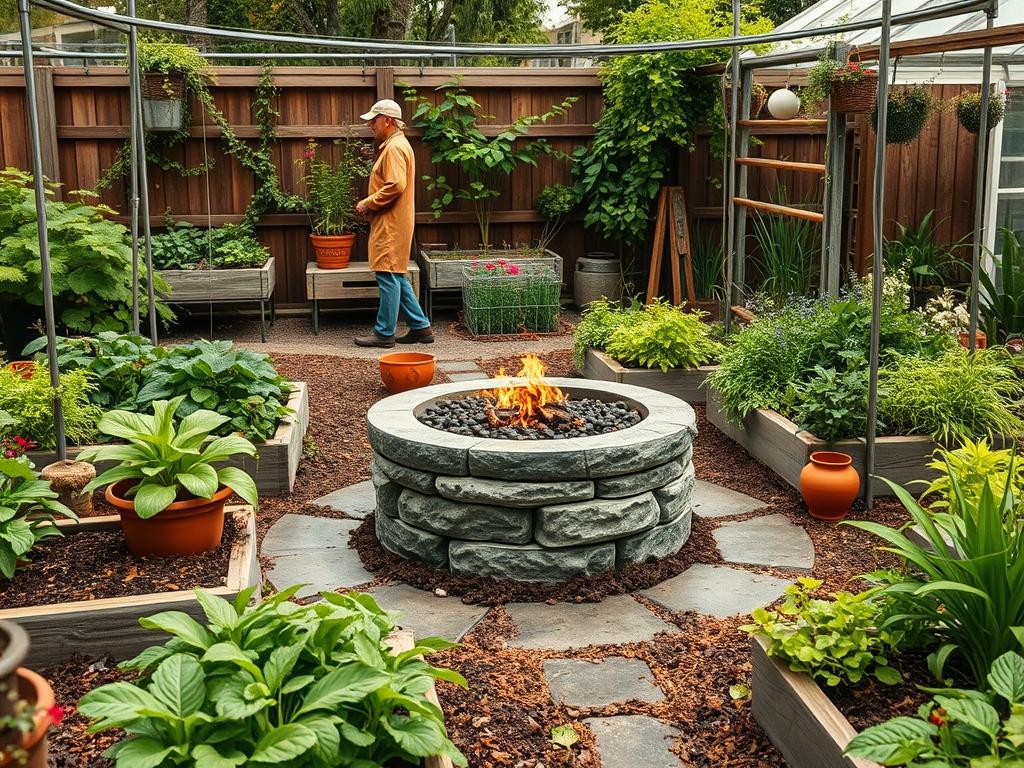
The backyard serves as a primary extension of the modern home, yet many homeowners struggle to bridge the gap between aesthetic appeal and raw functionality. A professional backyard gas fire pit setup offers a seamless solution to this dilemma by providing a clean, smoke free focal point that operates at the flip of a switch. Unlike traditional wood burning pits, gas installations require precise landscape planning to accommodate fuel lines while maintaining a sophisticated visual profile. A well executed design increases property value and creates a multi-seasonal environment, allowing for evening relaxation regardless of fluctuating temperatures. Success depends on understanding the microclimate of your lot, the existing soil conditions, and the way light interacts with the space during the transitions between dusk and midnight. By treating the fire pit as the anchor of an outdoor room, you can transform a neglected patch of grass into a high-end destination that balances industrial hardware with organic beauty.
Landscape Design Principles
When designing a backyard gas fire pit setup, symmetry is your most powerful tool. The fire pit serves as the primary focal point; therefore, every other element should radiate from this center. Using the rule of thirds, place the pit in a location that draws the eye without obstructing the natural flow of traffic. Visual balance is achieved by mirroring seating arrangements or plant groupings on either side of the primary axis. If your yard has significant slopes, utilize elevation layers to define the space. A slightly sunken fire pit area creates an intimate, alcove-like feeling, while a raised stone platform provides a sense of grandeur and better views of the surrounding garden.
Walkways are essential for both safety and aesthetics. Use Flagstone or Concrete Pavers to create a clear path from the house to the pit, ensuring the path is at least 48 inches wide for comfortable passage. Integrated irrigation planning is also critical. Ensure that your PVC piping for both gas and water does not interfere with the root systems of nearby trees. Hardscaping should always precede softscaping to prevent damage to delicate flora. When selecting materials, aim for a “texture palette” that contrasts the smooth finish of a Stainless Steel Burner with the rugged surface of River Rock or Lava Rock. This contrast creates a visual hierarchy that keeps the space from looking flat or monotonous.
Plant and Material Selection
The following table outlines plants and materials that complement a modern fire pit environment, focusing on low maintenance and heat tolerance.
| Plant Type | Sun Exposure | Soil Needs | Water Demand | Growth Speed | Maintenance Level |
| :— | :— | :— | :— | :— | :— |
| Blue Fescue | Full Sun | Well Drained | Low | Moderate | Low |
| Boxwood | Full/Partial | Loamy | Medium | Slow | Moderate |
| Lavender | Full Sun | Sandy/Gravelly | Low | Fast | Low |
| Little Blue Stem | Full Sun | Poor to Average | Low | Moderate | Very Low |
| Dwarf Fountain Grass | Full/Partial | Versatile | Medium | Fast | Low |
| Creeping Thyme | Full Sun | Well Drained | Low | Moderate | Low |
For hardscaping materials, prioritize heat resistance. Use Fire Bricks for the interior lining and Natural Slate or Basalt for the exterior cladding. Avoid using porous stones like river rocks inside the burner tray, as they can trap moisture and crack under pressure; instead, opt for high-quality Fire Glass or Ceramic Logs designed specifically for gas systems.
Implementation Strategy
The first step in a backyard gas fire pit setup is site preparation. Use a Leveling Rake and a Laser Level to ensure the ground is perfectly flat. Once the area is marked with Landscape Stakes, excavate the footprint to a depth of 8 inches. This allows room for a 4 inch layer of Crushed Limestone or Paver Base, which provides the stable foundation necessary to prevent the fire pit from shifting over time. If you are installing a natural gas line, hire a professional to run a Corrugated Stainless Steel Tubing (CSST) through a protective PVC Sleeve buried at least 12 to 18 inches underground.
After the gas line is positioned, install a Weed Barrier or high-grade Landscape Fabric to prevent unwanted growth between your stones. Set your Retaining Wall Blocks or permanent housing for the pit, ensuring you leave an access panel for the Gas Valve. For the surrounding area, apply a 3 inch layer of Cedar Mulch or decorative Pea Gravel. Edging is the final structural step; use Steel Edging or Brick Borders to create a crisp line between the fire pit zone and the turf. This prevents the “bleeding” of materials and keeps the transition looking professional and intentional.
Common Landscaping Failures
The most frequent error in backyard gas fire pit setup is poor drainage. If water pools around the base of a gas fire pit, it can corrode the burner or extinguish the pilot light. Always ensure the sub-grade is sloped at a 2 percent grade away from the structure. Soil compaction is another silent killer; if the earth around the pit is too dense, it will lead to puddling and can even stress the root systems of nearby specimen plants. Using a Vibratory Plate Compactor during the base installation is the only way to guarantee the foundation will not settle unevenly.
Root overcrowding and improper spacing also plague many DIY projects. Homeowners often plant shrubs too close to the heat source, leading to scorched foliage or fire hazards. Maintain a minimum 36 inch clearance between the fire pit and any flammable vegetation. Additionally, failing to account for airflow is a major mistake. Gas fire pits require oxygen to burn cleanly; if your stone enclosure is completely sealed, the flame will struggle and produce soot. Always incorporate Ventilation Clamps or small gaps in the stone work to allow for cross-ventilation, which ensures a bright, blue flame and efficient fuel consumption.
Seasonal Maintenance
Seasonal care ensures your landscape remains vibrant and your fire pit functions safely year round. In the spring, focus on pruning. Trim back any Ornamental Grasses or Lavender to encourage new growth and clear away any debris that collected in the burner tray during winter. Check the Gas Orifice for spider webs or insect nests, as these can cause blockages. As summer arrives, prioritize irrigation. The heat from the fire pit can dry out the surrounding soil faster than other parts of the yard, so increase the watering frequency for plants within a 5 foot radius.
Autumn is the time for leaf management. Dry leaves are a fire hazard; use a Leaf Blower to keep the hardscape clear and inspect the Stone Sealant on your pavers. If the sealant is peeling, reapply it before the first frost to prevent moisture from penetrating the stone. During winter, the primary goal is protection. Use a fitted Weatherproof Cover for the fire pit to prevent snow and ice from damaging the burner assembly. If you live in a climate with heavy freeze-thaw cycles, avoid using de icing salts near your Natural Stone, as the chemicals can cause the surface to spall and crack.
Professional Landscaping FAQ
How much clearance is needed for a gas fire pit?
Maintain at least 10 feet from your house and overhanging branches. Ensure a 3 foot radius of non combustible material, such as Gravel or Stone, surrounds the pit itself. This prevents accidental heat damage to surrounding landscape features.
What is the best base for a heavy fire pit?
A compacted 4 inch layer of Crushed Stone topped with 1 inch of Sand is ideal. For permanent masonry, a poured Concrete Pad reinforced with Rebar prevents settling and cracking in regions with high clay content.
Can I put a gas fire pit on a wood deck?
Only if you use a Heat Shield or a Fire Mat specifically rated for decks. Most professionals recommend a Paver Hearth or a Steel Pedestal to create an air gap between the burner and the wood surface.
Does a gas fire pit require a drainage system?
Yes, especially for “drop in” pans. Ensure the enclosure has Internal Drainage Holes and the sub-base is sloped. Without proper drainage, water can collect in the Burner Manifold, leading to rust and expensive repairs.
Why is my fire pit flame turning yellow and smoky?
This usually indicates a lack of oxygen or a blockage in the Air Mixer. Clean the Burner Ports with a Thin Wire and ensure the Ventilation Vents in the stone base are not obstructed by mulch or debris.