
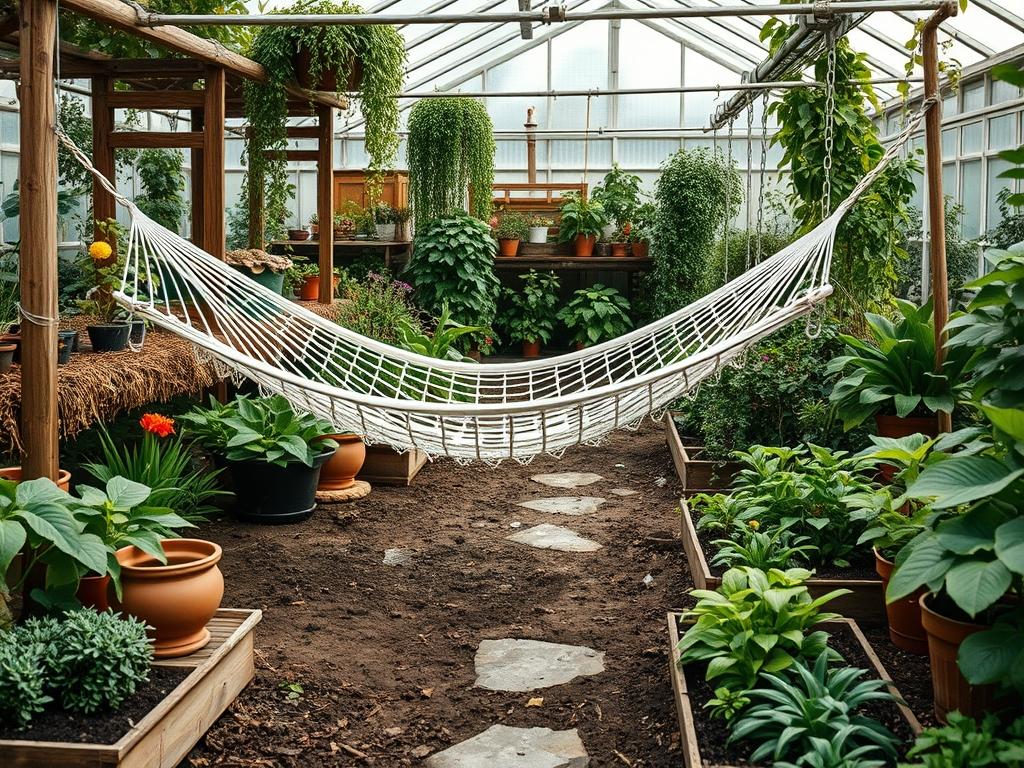
Integrating a structural element into a residential landscape requires more than just finding an open patch of lawn. When homeowners explore various Backyard Hammock Stand Styles, they often encounter the classic struggle between aesthetics and utility. A standalone hammock frame is a significant vertical and horizontal design element that influences sightlines, pedestrian circulation, and the perceived scale of the outdoor room. From a professional architectural perspective, the challenge lies in anchoring these structures so they feel like an intentional part of the topography rather than an after-thought. We must consider the local climate, particularly how moisture levels affect soil stability, and how the placement of a 15-foot wooden arc stand might impede existing irrigation lines or maintenance access. Ultimately, the goal is to enhance the property value by creating a cohesive retreat that balances hardscaping with soft, lush vegetation.
Visual hierarchy is the foundation of any successful garden plan. When placing a heavy steel tri-beam stand, it should ideally serve as a focal point at the terminus of a dedicated walkway. If the backyard follows a formal, symmetrical layout, the stand can be centered within a parterre garden or flanked by matched pairs of Boxwood shrubs to create a sense of order. In more informal, woodland-style landscapes, placing the stand off-center increases the sense of discovery. Elevation layers also play a critical role; a hammock stand placed on a slightly raised flagstone patio or a decomposed granite pad prevents the unit from looking like it is floating aimlessly on the grass. This elevation also assists with drainage, ensuring that water does not pool around the base of the frame, which can lead to wood rot or metal oxidation over time.
Strategic plant placement around the stand serves two purposes: privacy and shade. Because a hammock user is often in a reclined position, their perspective shifts toward the sky and the mid-level foliage. Integrating mid-story trees like Serviceberry or Japanese Maple provides a dappled shade canopy that protects the user from direct UV exposure without completely blocking the breeze. Additionally, consider the view from the hammock. Low-growing perennials and textured groundcovers should be utilized near the feet of the stand to soften the transition between the structural material and the earth.
Plant and Material Selection
| Plant or Material | Sun Exposure | Soil Needs | Water Demand | Growth Speed | Maintenance Level |
| :— | :— | :— | :— | :— | :— |
| Creeping Thyme | Full Sun | Sandy/Rocky | Low | Moderate | Low |
| Hostas | Full Shade | Rich/Loist | Medium | Fast | Low |
| Lavender | Full Sun | Well-Drained | Low | Moderate | Medium |
| River Birch | Sun/Part Shade | Moist/Acidic | High | Fast | Medium |
| River Rock | N/A | Subgrade | N/A | N/A | Very Low |
| Crushed Gravel | N/A | Compacted | N/A | N/A | Low |
Implementation of a hammock zone begins with rigorous site preparation. First, identify the footprint of your chosen Backyard Hammock Stand Styles. A standard wooden arc stand may require a flat area of at least 16 feet by 5 feet to allow for both the frame and the necessary clearance for entry and exit. Begin by removing the turf and excavating the area to a depth of 4 inches. This void should be backfilled with a layer of crushed stone or 3/4-inch clean gravel to provide a stable, self-draining foundation. If you prefer a more finished look, lay down a layer of geotextile fabric before adding a 2-inch layer of mulch or decorative river rock.
For stands that will remain in place year-round, consider edging the perimeter with steel landscape edging or tumbled brick. This contains the groundcover material and prevents lawn grass from encroaching into the relaxation zone. If the site has a natural slope, you must install a small timber retaining wall or a boulder tiered system to create a level terrace. Never attempt to level a hammock stand by simply shimming the legs with loose wood; the lateral forces exerted when someone swings can cause the stand to shift, leading to structural failure or injury. Ensure the transition from the main lawn to the hammock area is handled via a clear path of stepping stones to prevent the soil from becoming overly compacted in high-traffic points.
Common landscaping failures often stem from a lack of foresight regarding the marriage of hard materials and living biology. One of the most frequent mistakes is placing a powder-coated steel stand directly on top of a lawn that is serviced by an automatic irrigation system. Constant exposure to the spray from pop-up sprinkler heads will inevitably bypass the protective coating, leading to rust at the joints. Another significant error is failing to account for root overcrowding. Homeowners frequently plant large shade trees too close to the hammock area, forgetting that as the tree matures, the surface roots will heave the ground, making it impossible to keep a large hammock stand level.
Improper spacing is also a major concern. There should be a minimum of 36 inches of clear space on all sides of the hammock swing radius to prevent the user from striking nearby garden walls, planters, or thorny shrubs. Furthermore, many designers forget about the “drift” factor. On windy days, a hammock acts like a sail; if the stand is not anchored or placed on a high-friction surface like coarse gravel or paver stones, it can slowly migrate across the yard, potentially damaging delicate perennial borders or scratching a deck surface.
Seasonal Maintenance
Seasonal care is essential for maintaining both the structural integrity of the hammock stand and the health of the surrounding garden. In the spring, inspect the wooden components for checking or splitting. If using a larch wood stand, apply a fresh coat of penetrating oil sealant to protect against spring rains. This is also the time to refresh the mulch to a depth of 3 inches to suppress weeds that may have germinated during the thaw.
During the summer months, the primary focus shifts to hydration and pest management. Ensure that the increased foot traffic around the hammock is not causing soil compaction; if the ground feels hard, use a core aerator in the surrounding turf. In the autumn, clear all fallen leaves from beneath the stand. Decomposing organic matter traps moisture against the frame, which significantly accelerates rot and attracts wood-boring insects. Finally, for winter preparation, it is professionally recommended to disassemble metal or fabric components and store them in a dry environment. If the frame is too large to move, cover it with a heavy-duty waterproof tarp and ensure it is not sitting in a low-spot where ice can accumulate around the base.
Professional Landscaping FAQ
What is the best groundcover to use under a heavy hammock stand?
Crushed granite or pea gravel are superior choices. They provide excellent drainage, remain level under weight, and do not require the water or mowing that grass needs. This prevents the stand from sinking into the mud after heavy rain.
How do I prevent my hammock stand from killing the grass?
The most effective way is to avoid placing it on grass entirely. Construct a small paver island or use interlocking deck tiles. If you must use a lawn, move the stand 3 feet every week to allow the turf to recover.
Can I place a hammock stand on a medium-slope hill?
Only if you create a level “cut and fill” bench. Excavate the uphill side and use the soil to fill the downhill side, securing it with a pressure-treated 4×4 timber or natural stone wall to create a flat, safe plateau.
How much clearance is needed for a swinging hammock?
You should maintain a safety buffer of at least 3 feet from any hard structures. This includes fences, retaining walls, and tree trunks. For height, the lowest point of the hammock should sit 18 inches above the ground.
Which hammock stand material lasts longest in humid climates?
Stainless steel or powder-coated aluminum are the most resilient. If you prefer the look of wood, choose Teak or Cedar, as these species contain natural oils that resist rot and insect infestation even in high-moisture environments.