
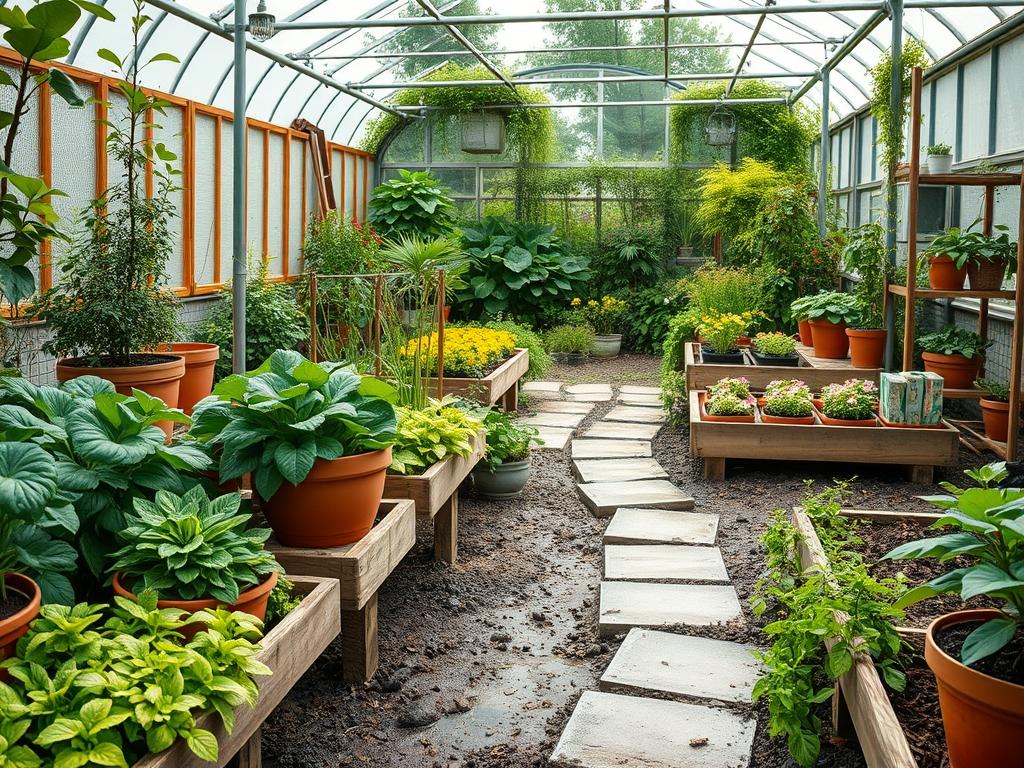
The challenge of modern residential landscaping often lies in the tension between open space and the need for intimate, functional enclosures. Homeowners frequently find themselves with expansive lot sizes that feel exposed or underutilized, lacking the structural definition required for true relaxation. Backyard Zoning with Planters offers a sophisticated solution to this architectural dilemma. By utilizing mobile or permanent vessels, a landscape architect can create soft boundaries that replicate the privacy of a fence without the restrictive, often claustrophobic, nature of solid wood or masonry walls. This approach addresses climate considerations by allowing for airflow while simultaneously boosting curb appeal through varied textures and heights. In many urban and suburban environments, the goal is to transform a flat, one dimensional lawn into a series of outdoor rooms. These zones can be dedicated to dining, lounging, or meditation, each separated by living greenscapes that muffle sound and block undesirable sightlines.
The effective use of planters goes beyond merely placing pots on a patio. It requires a deep understanding of spatial geometry and structural engineering. When we talk about zoning, we are essentially discussing the creation of sightlines and the redirection of foot traffic. High quality planters can act as the skeletons of an outdoor floor plan. They provide the necessary elevation to bring nature to eye level, which is a critical component in psychological comfort. Furthermore, the selection of materials for these containers, whether they are Corten steel, fiberglass, or reforced concrete, dictates the longevity of the design. A well placed row of rectangular troughs can serve as a biological screen that evolves with the seasons, providing a dynamic backdrop that a static fence simply cannot match. This strategy also allows for the integration of automatic drip irrigation systems hidden within the vessels, ensuring that the privacy screen remains lush and vibrant even during periods of high heat or drought.
Landscape Design Principles
Successful zoning relies on the core principles of symmetry and visual balance. When arranging planters to define a space, the landscape consultant must consider the elevation layers of the entire property. Using a transit level or laser level during the planning phase ensures that large troughs are perfectly horizontal, especially when placed on graded surfaces. Symmetry does not always mean a mirror image; it can also refer to balanced weight. For instance, a heavy concrete planter on the left might be balanced by a cluster of three smaller terracotta pots on the right. Focal points are another essential element. A single, oversized planter containing a specimen tree like a Japanese Maple (Acer palmatum) can anchor a specific zone, drawing the eye away from neighboring windows and toward the intended garden feature.
Walkways should be clearly defined by the placement of these containers. By lining a path with low profile planters, you create a psychological “hallway” that guides guests through the landscape. This is where irrigation planning becomes vital. Each zone should have its own dedicated valve in the irrigation controller, allowing for different watering schedules based on the plant species in each container. If you are mixing sun loving succulents in one zone and shade prone ferns in another, the plumbing must reflect these differing needs. Visual balance is also achieved through the “Thrill, Fill, and Spill” method, where heights are layered within a single container to create a miniature ecosystem. This layering adds depth to the privacy screen, making the “wall” feel more like a thicket and less like a barrier.
Plant and Material Selection
Selecting the right biological components for your zoning project depends on your hardiness zone and the specific microclimate of your backyard. The following table provides a breakdown of common species used for creating effective privacy zones.
| Plant Type | Sun Exposure | Soil Needs | Water Demand | Growth Speed | Maintenance Level |
| :— | :— | :— | :— | :— | :— |
| Running Bamboo (Phyllostachys) | Full Sun to Part Shade | Loamy, Well Draining | High | Very Fast | High (Requires Root Barrier) |
| Emerald Green Arborvitae | Full Sun | Moist, Fertile | Moderate | Medium | Low |
| Karl Foerster Grass | Full Sun | Adaptable | Low | Fast | Medium (Annual Pruning) |
| Boxwood (Buxus) | Full Sun to Shade | Well Draining, Alkaline | Moderate | Slow | High (Frequent Trimming) |
| Sky Rocket Juniper | Full Sun | Dry, Sandy | Low | Medium | Very Low |
| Star Jasmine (Trachelospermum) | Full Sun to Part Shade | Rich, Organic | Moderate | Fast | Medium (Requires Trellis) |
When selecting the material for the planters themselves, consider the thermal properties. Metal planters can heat up significantly in the summer, potentially scorching the root systems of sensitive plants. Double walled fiberglass offers excellent insulation for both summer heat and winter freezes. For a permanent, high end look, custom built cedar or ipe wood planters provide a natural aesthetic that blends seamlessly with wooden decking.
Implementation Strategy
The implementation phase begins with a thorough site analysis. Use a measuring tape and marking paint to outline where each zone will begin and end. If you are placing heavy planters on a lawn, you must first address the grading. Soil should be leveled and compacted to prevent the planters from leaning over time. For large installations, a base of crushed limestone or compacted gravel is recommended to provide a stable foundation and facilitate drainage. Drainage is perhaps the most critical technical detail. Each planter must have adequate drainage holes, usually 1 inch in diameter, spaced every 12 inches.
To prevent the holes from clogging with silt, place a layer of non-woven filter fabric over the bottom of the planter before adding a 2 inch layer of drainage aggregate. When filling the containers, use a high quality soilless potting mix rather than garden soil, which is too heavy and prone to compaction. In deep planters, you can use a “false bottom” or fill the lower third with lightweight expanded clay aggregate (LECA) to reduce the overall weight and the amount of expensive mix required. Once the plants are installed, apply a 3 inch layer of hardwood mulch or decorative river rock to the surface. This mulch depth is essential for moisture retention and to regulate soil temperature. If the planters are being used for privacy, ensure they are spaced no more than 6 inches apart to create a continuous visual bridge.
Common Landscaping Failures
The most common failure in backyard zoning is poor drainage. If water cannot escape the container, the roots will suffer from hypoxia, leading to root rot and the eventual death of the plant. This is often exacerbated by the lack of a proper drainage tray or “feet” that lift the planter slightly off the ground, allowing water to flow freely horizontally. Another frequent mistake is root overcrowding. Homeowners often buy small plants and place them too close together for immediate impact, failing to realize that species like Arborvitae or Bamboo require significant room for their root balls to expand. Within two seasons, the plants become root bound, stunted, and susceptible to disease.
Improper spacing of the planters themselves can also ruin the zoning effect. If the gaps between containers are too wide, the sense of enclosure is lost, and the backyard continues to feel fractured. Soil compaction is another silent killer. Over time, the organic matter in potting soul breaks down, leaving a dense, anaerobic mass that prevents water and oxygen from reaching the roots. To combat this, one must periodically “refresh” the top 4 inches of soil with new compost. Finally, irrigation inefficiencies often plague these projects. Using a standard sprinkler to water containers is ineffective; you must use 0.25 inch micro tubing and drip emitters to deliver water directly to the base of each plant, minimizing evaporation and waste.
Seasonal Maintenance
Maintenance requirements fluctuate with the seasons, requiring a proactive approach to keep the privacy zones looking professional. During the Spring, focus on rejuvenation. This is the time to apply a slow release granular fertilizer (such as a 10-10-10 NPK ratio) and perform any structural pruning. For Boxwoods or Privet, a sharp pair of bypass shears should be used to maintain the crisp, geometric shapes that define the zones. As we move into Summer, the priority shifts to hydration. Check the drip irrigation lines for clogs and increase the watering frequency to twice daily during heatwaves. Monitoring for pests like spider mites or aphids is also crucial during the warmer months.
When Autumn arrives, it is time to prepare the plants for dormancy. Reduce the nitrogen content in your fertilizer to discourage new, tender growth that could be damaged by frost. Clean out fallen leaves and debris from the surface of the planters to prevent fungal growth. If you are using deciduous plants for your zones, understand that your privacy will decrease as the leaves fall; consider interspersing evergreens to maintain year round screening. In Winter, the primary goal is protection. In colder climates, wrap sensitive containers in burlap or move mobile planters to a sheltered area. If the planters are left outside, ensure they are raised off the ground to prevent them from freezing to the patio surface, which can cause cracking in materials like ceramic or low grade concrete.
Professional Landscaping FAQ
How many planters do I need for a 20 foot privacy screen?
For a continuous screen using standard 36 inch rectangular troughs, you will need seven planters. This allows for a 2 or 3 inch gap between each unit to account for thermal expansion and air circulation.
Can I use regular garden soil in my large planters?
No, regular soil is too dense for containers. It lacks the necessary aeration and will compact over time, suffocating roots. Always use a professional growing medium consisting of peat moss, perlite, and pine bark.
How do I prevent my tall planters from blowing over in the wind?
Weight the bottom of the planter with heavy gravel or sandbags before adding soil. For extreme conditions, use earth anchors or bolt the planters directly into the concrete patio or wooden deck framing.
What is the best way to hide irrigation lines?
Run the main polyethylene supply line behind the planters or under the decking. Use 0.25 inch distribution tubing fed through the drainage holes at the bottom of the vessels to keep the system invisible from the front.
How often should I replace the mulch in my planters?
You should refresh the organic mulch once or twice per year. As it decomposes, it contributes nutrients to the soil. If using stone mulch, simply wash it with a garden hose annually to remove dust and debris.