
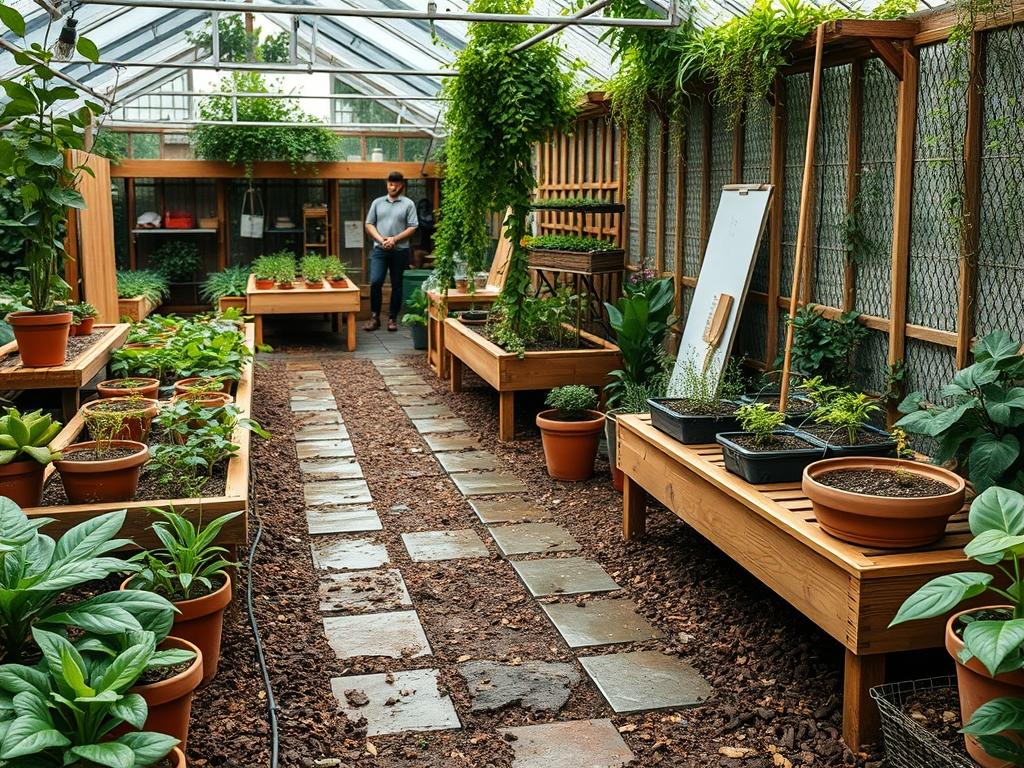
A well-conceived landscape acts as a seamless extension of the interior living space, bridging the gap between architectural rigidity and the fluid forms of nature. For many homeowners, the focal point of this transition is a wooden deck or terrace. However, a stunning garden loses its impact if the central structure appears weathered or neglected. This is where Backyard Deck Sanding Basics become a vital component of the broader landscaping strategy. Restoring the timber surface ensures that the wood grain complements the surrounding textures of stone and foliage. Beyond aesthetics, the regional climate dictates how we approach these projects. Excessive humidity can lead to fungal growth on untreated wood, while arid conditions may cause splintering. Achieving professional-grade results requires an understanding of how elevation, drainage, and material durability interact to create a cohesive outdoor environment.
Effective landscape architecture seeks to maximize the functionality of every square foot while maintaining a sense of visual harmony. A deck that is poorly integrated into the garden feels like an afterthought. By treating the deck as a structural anchor, we can design the surrounding flora and hardscaping to enhance its presence. Proper planning ensures that the transition from a suburban lawn to a refined outdoor lounge feels intentional and balanced. This involves calculating sightlines from the deck, ensuring the view is not obstructed by poorly placed specimen trees, and using the deck’s footprint to define the boundaries of the secondary garden zones.
Landscape Design Principles
Successful outdoor environments rely on foundational design principles that guide the eye and dictate movement. Symmetry is often used in formal gardens to create a sense of order, where mirror-image plantings flank a deck or patio. Conversely, asymmetrical balance uses differing elements of equal visual weight, such as a large Japanese Maple on one side of a deck balanced by a grouping of Boulder Accents on the other. Focal points are equally crucial. A well-maintained deck, restored using refined Backyard Deck Sanding Basics, serves as a primary focal point that anchors the entire backyard.
Elevation layers add depth and interest to the landscape. By utilizing Retaining Walls and terraced planting beds, a designer can mitigate slope issues and create distinct “rooms” within the yard. Irrigation planning must be integrated during this phase to ensure that water is directed away from the deck’s foundation. Standing water is the enemy of wood longevity, leading to rot and structural instability. Walkways should be constructed from porous materials like Decomposed Granite or spaced Flagstone to allow for natural drainage while providing a clear path from the deck to the lawn. Visual balance is achieved when the scale of the deck matches the size of the yard and the height of the surrounding canopy.
Plant and Material Selection
| Plant Type | Sun Exposure | Soil Needs | Water Demand | Growth Speed | Maintenance Level |
| :— | :— | :— | :— | :— | :— |
| Boxwood Hedge | Full Sun to Shade | Well-Drained | Moderate | Slow | Medium |
| Purple Coneflower | Full Sun | Sandy/Loam | Low | Medium | Low |
| Hostas | Full Shade | Organic/Moist | High | Medium | Low |
| Switchgrass | Full Sun | Most Types | Low | Fast | Low |
| Hydrangea | Part Shade | Rich/Moist | High | Fast | Medium |
| Creeping Thyme | Full Sun | Well-Drained | Low | Medium | Low |
Implementation Strategy
The transition from a blueprint to a finished landscape requires a disciplined sequence of events. Before any plants are installed, the site must be properly graded. Grading ensures that the soil slopes away from the home and the deck at a rate of at least two percent. Once the grade is established, the focus shifts to the hardscaping and deck preparation. In the context of Backyard Deck Sanding Basics, sanding should always occur before new plantings are installed nearby. Sawdust is highly acidic and can alter the pH balance of the soil if it is allowed to settle in freshly dug garden beds.
When beginning the sanding process, use a Random Orbital Sander for the main floorboards and a Detail Sander for corners and spindles. Start with a heavy 40-grit or 60-grit sandpaper to strip away old sealant and grayed wood fibers. Once the raw wood is exposed, transition to an 80-grit sandpaper to smooth the surface without closing the pores of the wood. This specific grit allows the subsequent stain or protector to penetrate deeply. Following the sanding, a high-powered Vacuum or a leaf blower should be used to remove every trace of dust.
After the deck is prepped, edging provides a clean boundary between the lawn and the garden beds. Use Steel Edging or Tumbled Brick to prevent grass from encroaching on the deck’s base. For mulch, a depth of three inches is ideal for moisture retention and weed suppression, but ensure the mulch does not make direct contact with the wooden posts of the deck. This gap prevents moisture from wicking into the timber. Finally, install any Under-deck Drainage Systems to keep the area beneath the structure dry and usable for storage.
Common Landscaping Failures
The most frequent mistake in landscape management is the failure to account for water movement. Improper drainage can lead to soil erosion and the premature failure of wooden structures. If water pools around the base of a deck, even the most thorough sanding and sealing job will not prevent the wood from rotting from the bottom up. Another common issue is root overcrowding. Planting large species like Silver Maples or Willow Oaks too close to the deck can results in roots lifting the footings or damaging French Drains.
Soil compaction is another silent killer in the garden. Heavy foot traffic during the construction of a deck or during a renovation can compress the soil, removing the air pockets necessary for root respiration. To mitigate this, use Aerators or incorporate Organic Compost into the soil before planting. Irrigation inefficiencies, such as spray heads that constantly soak the deck boards, will lead to uneven weathering and the need for more frequent maintenance. Ensure that all Pop-up Sprinklers are aimed strictly at the turf and garden beds.
Seasonal Maintenance
Landscape management is a year-round commitment that changes with the seasons. In the spring, the focus is on renewal. Inspect the deck for any winter damage and apply a fresh coat of UV-resistant sealer if the water no longer beads on the surface. Prune any dead wood from deciduous shrubs and apply a balanced 10-10-10 Fertilizer to the flower beds.
During the summer, irrigation becomes the priority. Deep, infrequent watering encourages deeper root growth, which helps plants survive heat waves. Monitor the deck for signs of sun bleaching. Autumn is the time for cleanup and preparation. Rake fallen leaves away from the deck’s surface, as wet leaves can cause permanent staining and promote mold growth. This is also the best time to plant Spring-flowering Bulbs and apply a layer of fresh Cedar Mulch to insulate perennial roots.
In the winter, maintenance shifts to protection. Avoid using harsh de-icing salts on or near the deck, as these chemicals can strip the finish and damage the soil chemistry. Use Sand for traction instead. Check the stability of any Retaining Walls after a freeze-thaw cycle to ensure that the earth has not shifted significantly.
Professional Landscaping FAQ
How often should I sand my backyard deck?
Most wooden decks require a light sanding and resealing every two to three years. This frequency depends on sun exposure, foot traffic, and the quality of the previous finish. Regular maintenance prevents the wood from splintering or developing deep cracks.
Can I use a power washer instead of sanding?
While a Power Washer can remove surface dirt, it often lifts the wood grain and creates a fuzzy texture. Sanding is necessary to smooth those fibers down. Sanding provides a superior surface for stain adhesion compared to pressure washing alone.
What is the best mulch to use around a deck?
Cedar Mulch or Cypress Mulch is highly recommended for areas adjacent to wooden structures. These materials are naturally rot-resistant and act as a deterrent for certain wood-destroying insects. Always keep the mulch a few inches away from the wood.
How do I prevent weeds from growing under my deck?
Install a heavy-duty Geotextile Fabric over the soil beneath the deck and cover it with three to four inches of River Rock or Crushed Stone. This prevents sunlight from reaching the soil and provides excellent drainage for the structure.
Should I stain or paint my deck after sanding?
A Semi-transparent Stain is generally preferred by landscape architects. It allows the natural beauty of the wood grain to show through while providing essential UV protection. Paint tends to peel and trap moisture, which can lead to hidden rot over time.