
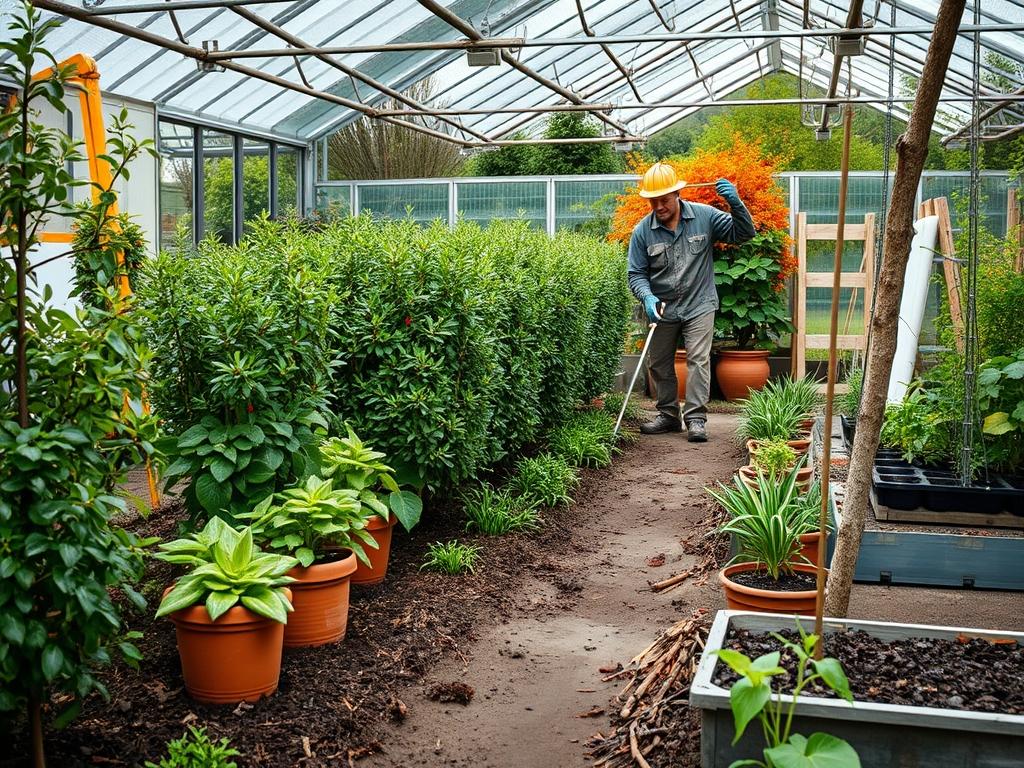
The successful integration of a privacy screen into a residential landscape requires more than just digging holes and placing shrubs. It demands an understanding of architectural volume, site ecology, and the specific physiological needs of the chosen species. When we discuss Laurel Privacy Hedge Pruning, we are addressing the maintenance of one of the most robust and versatile evergreen barriers available to modern designers. These plants, ranging from the broad-leafed English Laurel to the more refined Portugal Laurel, offer a dense foliage canopy that serves multiple functions. They act as windbreaks, provide sound attenuation from nearby traffic, and create a sensory boundary that defines the outdoor living space. However, without a disciplined pruning regimen and a solid infrastructure plan, these vigorous growers can quickly overwhelm a property, turning a structured design into an unmanageable thicket.
The primary challenge for many homeowners is balancing the desire for immediate privacy with the long term health of the hedge. A common mistake is allowing the laurel to grow unchecked until it reaches the desired height. This often results in a leggy, thin interior with foliage concentrated only at the tips of the branches. A professional approach involves early intervention and strategic thinning to encourage interior density. This ensures that the hedge remains a solid wall of green from the ground up to the top of the Retaining Walls or property lines. Furthermore, considering the local climate is essential. Laurels thrive in temperate regions but can suffer from leaf burn or fungal issues if air circulation is compromised by poor pruning techniques or improper site placement.
Landscape Design Principles
In the realm of high-end landscape architecture, the laurel hedge serves as a foundational element that supports broader design principles such as symmetry and focal points. When we establish a perimeter of English Laurel, we are essentially creating a green gallery wall. This wall provides a neutral, high-contrast backdrop for ornamental specimens, such as Japanese Maples or flowering perennials, which might otherwise get lost in a cluttered visual field. To achieve Visual Balance, the hedge must be maintained at a height that complements the scale of the residence. A ten foot hedge may offer total privacy, but on a small lot with a single story home, it can feel claustrophous and out of proportion.
Elevation layers are another critical factor. We often use laurel hedges to negotiate transitions between different grades on a property. When planted at the base of a slope or behind a series of tiered Retaining Walls, the hedge adds vertical interest and hides structural elements that might feel too industrial. In these scenarios, the pruning must be precise to maintain clean lines that mirror the geometry of the surrounding Hardscaping. Additionally, we must consider the sightlines from within the home. A well-planned hedge should frame desirable views while obscuring unsightly ones, like a neighbor’s HVAC unit or a distant power line. Integrating Walkways of flagstone or pavers alongside the hedge requires leaving enough clearance for the plant to reach its natural width without encroaching on the pedestrian path.
Plant and Material Selection
Selecting the right variety of laurel depends heavily on the specific microclimate of the site and the desired aesthetics of the final landscape.
| Plant Type | Sun Exposure | Soil Needs | Water Demand | Growth Speed | Maintenance Level |
| :— | :— | :— | :— | :— | :— |
| English Laurel | Full Sun to Part Shade | Well-drained, acidic | Moderate | Fast | High |
| Portugal Laurel | Full Sun to Shade | Versatile, loamy | Low once mature | Moderate | Medium |
| Schip Laurel | Part Shade | Rich, organic | Moderate | Moderate | Low |
| Otto Luyken | Full Sun to Part Shade | Moist but drained | Moderate | Slow | Low |
| Mountain Laurel | Dappled Shade | Highly acidic | High | Slow | Medium |
While English Laurel is the most common for rapid privacy, its large leaves can be easily tattered by mechanical Hedge Trimmers, leading to brown edges and a messy appearance. For a more polished look, many consultants recommend Portugal Laurel because its smaller, darker leaves handle pruning much better and produce a more refined texture.
Implementation Strategy
Building a successful laurel barrier begins with site preparation and structural planning. First, we must address Grading. The site should be sloped away from the root balls to prevent water from pooling, as laurels are susceptible to root rot in anaerobic soil conditions. Before planting, we install Irrigation lines, specifically drip systems, which deliver water directly to the soil surface and reduce the risk of foliar diseases like powdery mildew.
Spacing is the next critical variable. For a dense privacy screen, English Laurel should typically be spaced 3 to 4 feet apart on center. Once the plants are in the ground, we apply a consistent Mulch Depth of 3 inches. Pine bark or wood chips are excellent choices as they regulate soil temperature and suppress weeds while gradually improving soil structure as they decompose.
When it comes to the actual Laurel Privacy Hedge Pruning, the strategy involves a technique known as “The A-Frame.” The base of the hedge should always be wider than the top. This geometry allows sunlight to reach the lower branches, preventing the bottom of the hedge from becoming sparse and leafless. Use sharp Hand Pruners for larger-leaved varieties to make clean cuts at the nodes, rather than shredding the foliage with electric shears. This individual attention preserves the luster of the leaves and significantly improves the curb appeal of the property.
Common Landscaping Failures
The most frequent failure in privacy hedge management is improper Drainage. Homeowners often plant laurels in heavy clay soils without amending the site or installing French drains. This leads to yellowing leaves and eventual dieback. Another common mistake is root overcrowding. When plants are placed too close together in an attempt to get “instant” privacy, they compete for nutrients and water, resulting in a stressed hedge that is more vulnerable to pests like the laurel shothole borer.
Soil compaction is another silent killer. During the construction of Walkways or nearby Hardscaping, heavy machinery can compress the soil, destroying the pore spaces necessary for root respiration. To mitigate this, we often recommend core aeration before the planting phase. Finally, inconsistent Irrigation can lead to a shallow root system. Deep, infrequent watering encourages the roots to grow downward, making the hedge more drought-tolerant and stable during high winds.
Seasonal Maintenance
Maintaining a laurel hedge is a year-round commitment that changes with the seasons. In the Spring, the focus is on growth and nutrition. This is the optimal time to apply a balanced, slow-release fertilizer and perform the first major pruning of the year. This initial trim should shape the new growth and remove any winter damaged wood. As we move into Summer, the priority shifts to water management. Monitor the soil moisture closely during heatwaves, ensuring the drip system is functioning correctly to prevent wilt.
In the Autumn, a light shaping can be performed to tidy up the hedge before the dormant season. However, avoid heavy pruning at this time, as new growth stimulated by the cuts may not have enough time to harden off before the first frost. During the Winter, the landscape architect’s role is largely observational. Check for any structural damage caused by snow loads or heavy ice. If the hedge is located near a road, be mindful of salt spray, which can dehydrate the leaves. A thorough rinsing of the foliage with fresh water during a mid-winter thaw can often save the plant from salt-induced desiccation.
Professional Landscaping FAQ
When is the best time for Laurel Privacy Hedge Pruning?
The ideal time is late spring or early summer after the first flush of growth has finished. A secondary light trim can be performed in early autumn to maintain the shape before winter sets in.
Should I use power shears or hand pruners?
For large-leafed varieties like English Laurel, hand pruners are preferred to avoid cutting through the middle of leaves. For smaller-leafed types like Portugal Laurel, high-quality power shears can be used for a more efficient, formal finish.
How do I fix a hedge that is thin at the bottom?
You must prune the top of the hedge significantly narrower than the base. This allows sunlight to penetrate the lower canopy, which triggers dormant buds to grow and fill in the gaps near the ground level.
Why are the leaves on my laurel hedge turning yellow?
Yellowing, or chlorosis, is often a sign of poor Drainage or an iron deficiency. Check for standing water near the roots and ensure the soil pH is slightly acidic to allow for proper nutrient uptake.
How much height can a laurel hedge add in one year?
Under optimal conditions with proper Irrigation and fertilization, an English Laurel can grow 12 to 24 inches annually. Regular pruning is necessary to manage this vigor and ensure the growth remains dense rather than leggy.