
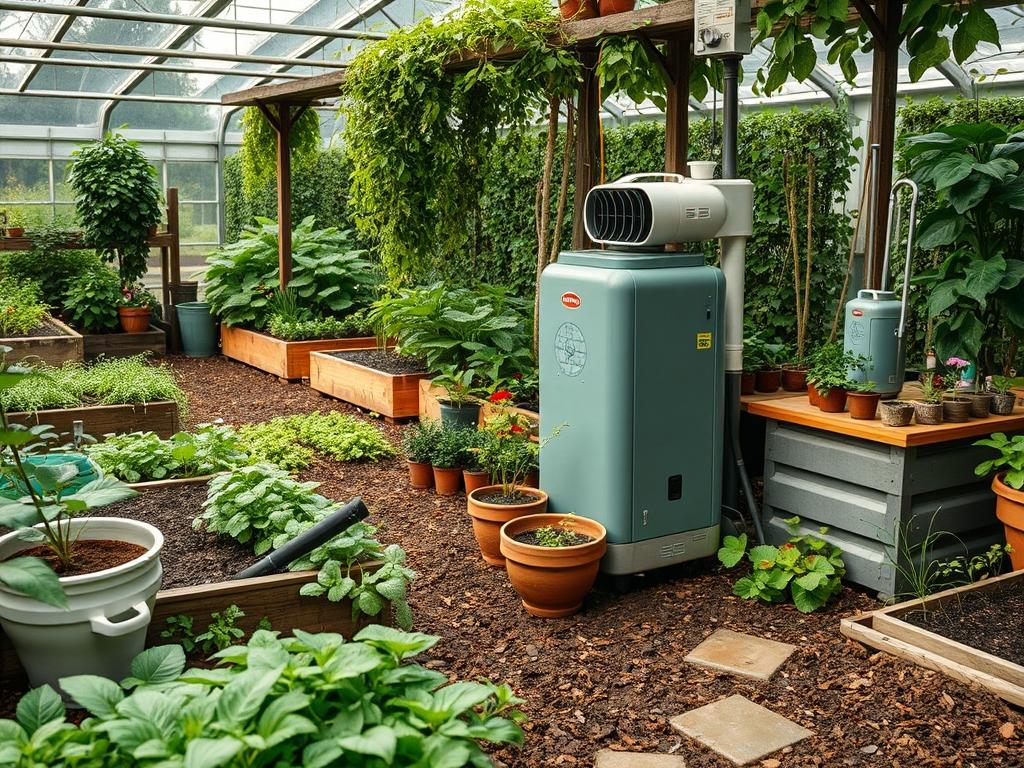
Designing high-end residential landscapes requires a delicate balance between aesthetic elegance and functional utility. When a property owner seeks to integrate Backyard Pet Cooling Stations into a master plan, the challenge lies in maintaining the visual continuity of the space while addressing the biological needs of domestic animals. In regions prone to extreme heat, standard garden features often become thermal hazards. Stone that absorbs radiant heat or unshaded turf can lead to paw burns or heat exhaustion. As landscape architects, we must treat the cooling station not as an after-thought, but as a primary site feature. By using strategic topography, shading solutions, and moisture-controlled microclimates, we can create a sophisticated retreat that enhances the curb appeal and value of the property. This approach ensures that the outdoor living area remains a cohesive environment where human comfort and pet safety coexist through intentional engineering and ecological sensitivity.
Landscape Design Principles
Effective backyard pet cooling stations rely on the same fundamental principles used in high-profile commercial plazas: symmetry, focal points, and elevation layers. To begin, visual balance is achieved by mirroring pet zones with human seating areas. A sunken stone grotto designed for a dog can be visually balanced by a raised masonry planter on the opposite axis. This creates a sense of intentionality. Focal points, such as a granite bubbling boulder or a recirculating misting wall, serve a dual purpose. They provide a striking visual element for the homeowner while lowering the ambient temperature via evaporative cooling for the animal.
Elevation plays a critical role in temperature management. Sunken areas naturally collect cooler, denser air, making a shallow, excavated lounge area with a Leveling Sand base and Flagstone topping an ideal thermal sink. Conversely, using Retaining Walls to create tiered elevation layers allows for better airflow. Air stagnation is a major contributor to heat stress; therefore, designing the station to catch prevailing summer breezes is essential. Irrigation planning must also be integrated into the design phase. Sub-surface irrigation lines can be routed beneath stone slabs to keep the masonry cool to the touch without creating surface puddles that attract pests. Finally, walkways should consist of permeable materials like Crushed Granite or Pea Gravel, which allow for water drainage and prevent the heat retention common with solid asphalt or dark concrete.
Plant and Material Selection
The following selections prioritize non-toxic properties and thermal regulation. When choosing plants for cooling stations, we look for species that facilitate high rates of evapotranspiration to naturally lower the surrounding air temperature.
| Plant Type | Sun Exposure | Soil Needs | Water Demand | Growth Speed | Maintenance Level |
| :— | :— | :— | :— | :— | :— |
| Hosta (Various) | Shade / Part Shade | Rich, Loamy | High | Moderate | Medium |
| Blue Fescue | Full Sun | Well-drained | Low | Fast | Low |
| Japanese Forest Grass | Deep Shade | Moist, Humus | Medium | Slow | Minimal |
| Creeping Thyme | Full Sun | Sandy / Gritty | Low | Moderate | Low |
| Spider Plant | Part Shade | Well-drained | Medium | Fast | Low |
| Boxwood (Dwarf) | Sun / Shade | Neutral pH | Medium | Slow | Moderate |
For hardscaping, we recommend Light-Colored Sandstone or Travertine because they have a lower solar reflectance index (SRI) than darker stones. For bedding, Cedar Mulch is superior to rubber or dyed varieties. It resists decomposition, provides natural pest repellency, and does not hold heat. In high-traffic areas, Geotextile Fabric should be laid under a 3-Inch Layer of aggregate to ensure stability and weed suppression.
Implementation Strategy
The construction of Backyard Pet Cooling Stations begins with a comprehensive site analysis focused on drainage and solar orientation. First, the area must be graded at a 2-Percent Slope away from any residential structures to prevent water pooling. Once the grade is established, an excavation of approximately 8 Inches is required for the cooling pit. This pit should be lined with a 6-Mil Vapor Barrier specifically where moisture-heavy features like misting systems will be installed, though permeable areas should remain uncovered to allow for natural drainage.
Next, install the edging. Heavy-Duty Steel Edging or Tumbled Brick Edging serves as a clean border that prevents Pea Gravel or Mulch from migrating into the lawn. After the border is set, lay a 4-Inch Base of compacted Crushed Limestone (3/4-inch minus) to create a stable foundation. If a water feature is included, such as a low-profile drinking fountain or a cooling pad, plumbing lines must be buried at least 12 Inches deep to protect them from surface temperature fluctuations and potential digging.
The final layer consists of the finished material. If using stone, ensure the joints are filled with Polymeric Sand to prevent shifting. For planted zones, incorporate Organic Compost into the topsoil to increase moisture retention. If the design calls for a vertical element, a Cedar Trellis with non-toxic climbing vines can provide dappled shade, which is more effective at cooling than solid roofs because it allows hot air to rise and escape through the foliage.
Common Landscaping Failures
One of the most frequent errors in designing Backyard Pet Cooling Stations is improper drainage planning. When water from a misting system or a pet fountain has nowhere to go, it creates a muddy bog that breeds mosquitoes and damages the root systems of nearby plants. A properly sized French Drain or a hidden Dry Well filled with River Rock should always be installed at the lowest point of the cooling station to manage runoff.
Soil compaction is another silent failure point. In high-traffic zones, the constant weight of a pet can compress the soil, eliminating the pore spaces necessary for oxygen and water to reach plant roots. This leads to “starvation” of the landscape and eventual plant death. To mitigate this, we use Structural Soil or specialized Root Protection Mats beneath the surface. Furthermore, many designers fail to account for root overcrowding. When planting around a cooling station, species like Boxwood need at least 24 Inches of space between the root ball and hardscape elements to prevent the roots from lifting the stone or becoming girdled by the edges of the structure.
Irrigation inefficiency is also common. Sprinklers that spray the surface are often wasteful due to evaporation. Instead, we advocate for Pressure-Compensating Drip Tubing installed under a 3-Inch Layer of Cedar Mulch, which delivers water directly to the roots and keeps the ground temperature significantly lower.
Seasonal Maintenance
To keep Backyard Pet Cooling Stations functional and attractive, a seasonal management plan is required. In the Spring, the focus is on rejuvenation. This involves removing any debris that accumulated over winter, refreshing the Mulch Depth to a standard 3 Inches, and checking the irrigation lines for leaks or clogs. Prune any deadwood from the Japanese Forest Grass or Hostas to encourage new, lush growth that provide shade.
During the Summer, the priority shifts to hydration and hygiene. Stone surfaces should be hosed down weekly to remove salt buildup and natural oils. If the station uses a recirculating pump, clean the filters every 30 Days to ensure maximum flow for cooling. In Autumn, clear fallen leaves immediately; if left to decompose on stone or gravel, they can cause permanent staining and create slippery surfaces. This is also the time to apply a seasonal fertilizer to the surrounding plants to strengthen their root systems before the first frost.
Winter maintenance involves protection. If the cooling station features a water line, it must be blown out with compressed air to prevent freezing and bursting. Sensitive plants may need a wrap of Burlap, and any stone susceptible to spalling should be covered or sealed. Avoid using standard salt-based ice melts near the station, as these are toxic to pets and harmful to the soil; use Pet-Safe Magnesium Chloride or sand for traction instead.
Professional Landscaping FAQ
What is the best material for a cool pet surface?
Travertine and Light Sandstone are ideal because of their high solar reflectance. They remain cooler than concrete or slate. For a softer option, Synthetic Pet Turf with a specialized cooling crystalline infill also performs well.
How do I prevent my cooling station from becoming a mud pit?
Install a French Drain topped with River Rock at the lowest point. Using a base of Compacted Aggregate and a layer of Geotextile Fabric ensures that water moves through the system without saturating the surface soil.
Are misting systems worth the installation cost?
Yes, in dry climates. A high-pressure misting system can drop the ambient temperature by up to 20 Degrees. However, they must be paired with adequate drainage and Stainless Steel Nozzles to prevent mineral buildup and clogging.
Which plants provide the best natural cooling?
Plants with high transpiration rates like Hostas and Ferns are excellent. Large-Leafed Species create dense shade umbrellas, while a Trellis with Trachelospermum Jasminoides (Star Jasmine) provides vertical cooling and pleasant aromatics for the garden.
How deep should my cooling station base be?
A professional-grade installation requires an excavation of at least 8 to 10 Inches. This allows for a 4-Inch Sub-Base of gravel, a 2-Inch Sand Bed, and the final Hardscape Material, ensuring long-term structural stability.