
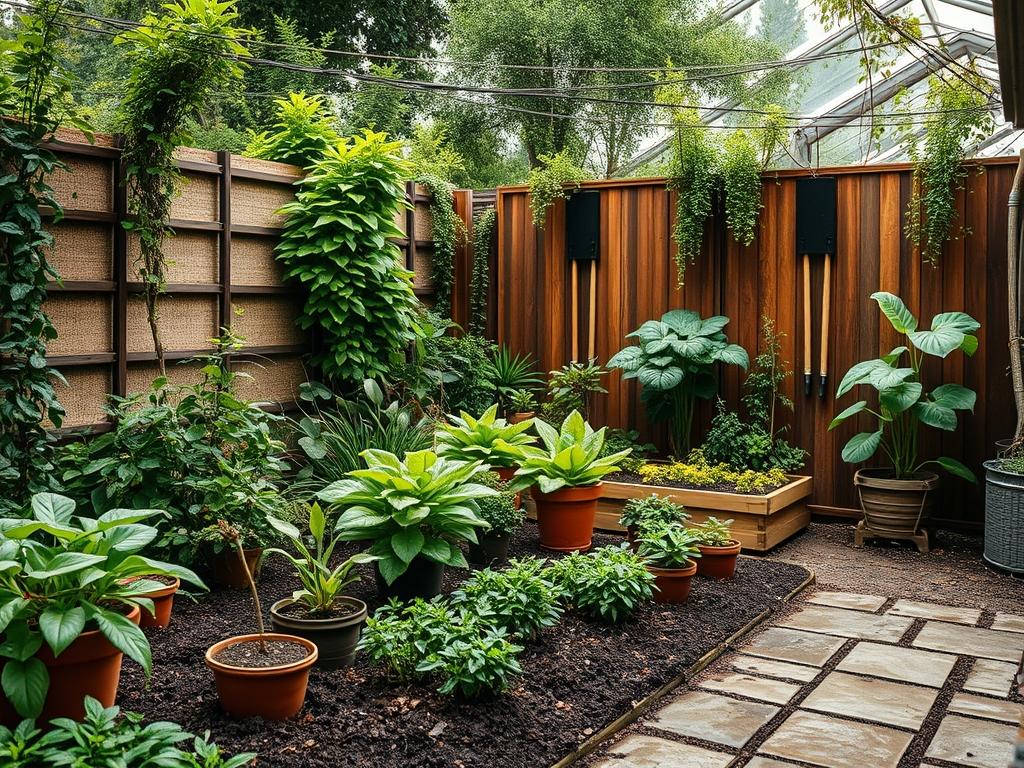
Maintaining a cohesive outdoor environment requires a delicate balance between structural integrity and aesthetic appeal. Backyard privacy screens serve as critical vertical planes in landscape architecture, defining spatial boundaries and providing the necessary seclusion for modern living. However, these wooden or composite installations are constantly under siege from UV radiation, fluctuating humidity, and organic growth. Backyard Privacy Screen Staining is not merely a cosmetic choice; it is a vital preservation technique that guards against the structural failure of your focal points. When a screen begins to gray or peel, it disrupts the visual continuity of the garden, making the entire landscape appear neglected. By treating these structures with professional grade finishes, homeowners protect their investment and ensure that the screen continues to complement the surrounding flora and hardscaping elements.
Landscape design often focuses on the floor of the outdoor room, yet the walls define the experience of the space. A well maintained privacy screen acts as a neutral backdrop for ornamental plantings, allowing colors and textures to pop against a rich, stained wood grain. From an architectural perspective, the finish of the screen should harmonize with the home’s exterior trim or the tones found in natural stone patios. Failure to manage this maintenance leads to moisture ingress, which causes warping and checking in the timber. This eventually impacts the alignment of the screens, potentially compromising the privacy they were designed to provide.
Landscape Design Principles
Effective landscape design relies on the principle of spatial enclosure to create a sense of security and intimacy within the backyard. Privacy screens are the primary tools used to achieve this enclosure without the heavy, oppressive feel of a solid masonry wall. When planning your screening strategy, consider the concept of visual permeability. A screen does not always need to be a solid barrier; lattice work or horizontal slatting allows for airflow and dappled light, which prevents the area from feeling stagnant or overheated during the summer months.
Symmetry and focal points are equally important when integrating these structures. A series of stained panels can act as a rhythm element, guiding the eye toward a specific destination like a pergola or a water feature. If the screen is positioned as a backdrop, it provides a clean canvas for layering plants. We often recommend using the 3-3-3 rule in elevation planning: place low groundcovers in the foreground, mid sized shrubs in the middle, and use the privacy screen as the high background layer. This creates a 3D effect that adds depth to even the smallest urban lots. Furthermore, integrating the screen with existing walkways ensures that the structure feels like an intentional part of the circulation path rather than an afterthought.
Plant and Material Selection
The success of a privacy screen depends heavily on the materials used and the biological environment surrounding it. Selecting the right species to frame these structures ensures that the maintenance of the screen and the health of the plants are mutually beneficial.
| Plant Type | Sun Exposure | Soil Needs | Water Demand | Growth Speed | Maintenance Level |
| :— | :— | :— | :— | :— | :— |
| Thuja occidentalis | Full Sun | Well-drained | Moderate | Fast | Low |
| Boxwood (Buxus) | Partial Shade | Loamy/Rich | Consistent | Slow | Medium |
| Lavender | Full Sun | Gritty/Sandy | Low | Medium | High Pruning |
| Japanese Maple | Dappled Shade | Acidic | Moderate | Slow | Low |
| Star Jasmine | Full Sun/Part | Adaptable | Moderate | Fast | Seasonal |
| Feather Reed Grass | Full Sun | Any | Low | Fast | Low |
For the screens themselves, Western Red Cedar and Redwood are the premier choices due to their natural tannins which resist rot. If using Pressure-Treated Pine, it is essential to allow the wood to dry for several months before attempting Backyard Privacy Screen Staining to ensure the chemical treatments do not repel the finish.
Implementation Strategy
Executing a professional stain job requires a systematic approach to preparation and application. Before any stain touches the wood, the environment must be staged. Begin by laying down heavy duty Drop Cloths to protect surrounding perennials and hardscaping from drips. If plants are directly against the screen, use Twine to gently pull them back or cover them with breathable fabric.
The first technical step is cleaning. Use a Wood Brightener or a mild solution of Sodium Percarbonate to lift gray oxidized fibers and remove mold spores. Avoid using a high pressure Power Washer at close range, as this can “fur” the wood grain and create an uneven texture. Instead, use a stiff Nylon Scrub Brush to agitate the cleaner before rinsing with a standard garden hose. Once the wood is clean, it must dry for at least 48 hours. Use a Moisture Meter to ensure the internal moisture content is below 15 percent before proceeding.
When selecting your product, Penetrating Oil Stains are generally superior to water based films for privacy screens. They soak into the wood fibers rather than Sitting on top, which prevents the peeling often seen with low quality paints. Use a 4-inch Synthetic Bristle Brush for the main slats and a Small Detail Brush for crevices and joints. Work from the top of the screen to the bottom to manage runs, and always maintain a “wet edge” to prevent lap marks. For large scale screening, an Airless Sprayer can increase efficiency, but it must be followed by “back-brushing” to force the stain into the pores of the timber.
Common Landscaping Failures
The most frequent mistake in backyard screening is the neglect of drainage at the base of the structure. If soil or Mulch is piled directly against the wooden posts or the bottom rail, it creates a “cradle of rot” that no amount of staining can fix. Ensure that the Grading slopes away from the screen and that there is a 2-inch gap between the bottom of the wood and the ground surface. Use Crushed Stone or River Rock at the base to facilitate rapid drainage.
Root overcrowding is another common failure. Planting large species like Leyland Cypress too close to a screen will eventually leads to structural displacement as the root flare expands. Furthermore, improper spacing between plants and the screen limits airflow. This lack of circulation traps humidity against the wood, leading to premature stain failure and the growth of black algae. Always leave at least 18 inches of clearance between the foliage and the screen for both plant health and ease of future maintenance access. Finally, many DIY projects fail because of over-application; applying too much stain creates a sticky, “shiny” surface that never fully cures and attracts dust and pollen.
Seasonal Maintenance
Landscape management is a year round commitment. In the Spring, inspect the screen for any signs of winter damage or wood bees. This is the optimal time for a light cleaning to remove salt spray or winter debris. During the Summer, monitor the screen for UV fading. If the wood begins to look “thirsty” or water no longer beads on the surface, plan for a maintenance coat.
The Autumn months are for protection. Rake leaves away from the base of the screen to prevent moisture traps. Check the Hardware, such as Stainless Steel Screws or Zinc Plated Hinges, and tighten any that have loosened due to wood expansion. In Winter, avoid leaning heavy snow or ice against the panels, as the lateral pressure can bow the wood. By following this cycle, you extend the life of your Backyard Privacy Screen Staining by several years, ensuring that the structural beauty of your landscape remains intact regardless of the weather.
Professional Landscaping FAQ
How often should I restain my privacy screen?
Most professional grade Penetrating Stains last between 3 and 5 years. If the wood no longer beads water or the color has significantly faded due to sun exposure, it is time to clean and reapply a maintenance coat.
Can I stain a screen that was previously painted?
You must completely remove all old paint using a Chemical Stripper or heavy sanding before applying a stain. Stains need to penetrate the wood fibers; any leftover paint film will block absorption and cause the new finish to fail.
What is the best temperature for staining wood?
Aim for a temperature range between 50 and 80 degrees Fahrenheit. Avoid applying stain in direct sunlight, as the product will dry too quickly and leave lap marks. Ensure no rain is forecasted for at least 24 hours.
Do I need to stain both sides of the screen?
Yes. Staining only one side creates an imbalance in moisture absorption, which leads to warping and cupping of the boards. Treating both sides ensures the wood expands and contracts uniformly, preserving the structural alignment of the entire privacy installation.
Which is better: transparent or solid stain?
Semi-Transparent Stains are preferred for high quality wood like Cedar because they showcase the grain. Solid Color Stains behave more like paint and are better for older wood with imperfections or when you desire a specific opaque color.