
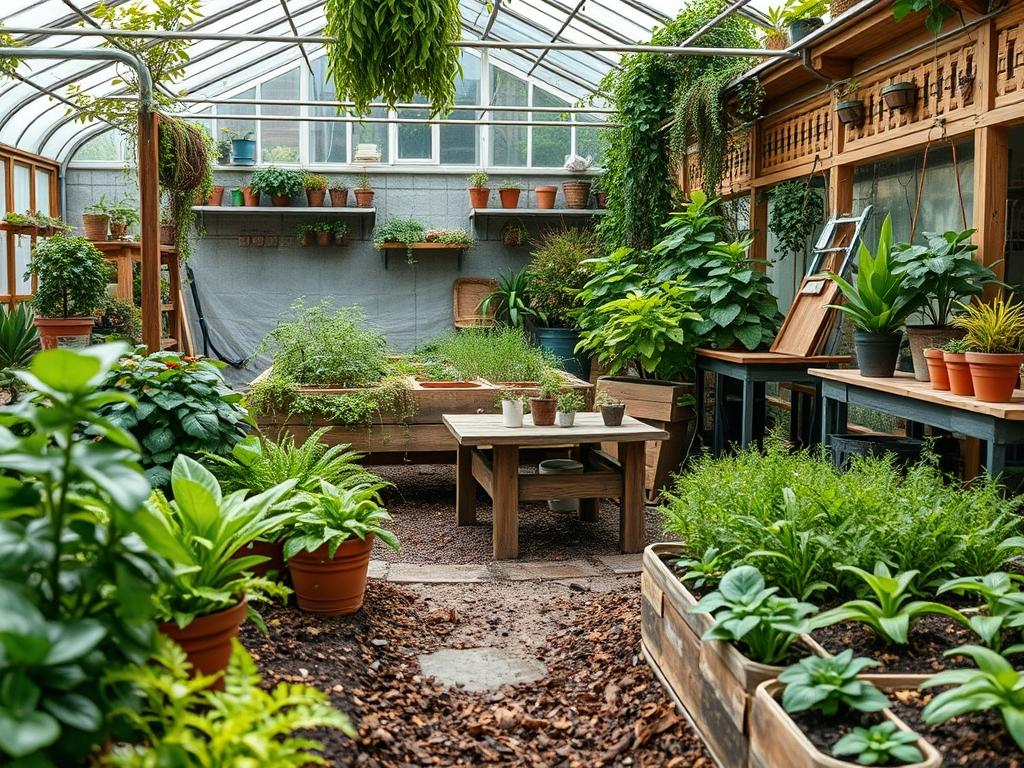
Developing a cohesive outdoor living space requires more than just a discerning eye for aesthetics. It demands a rigorous understanding of site engineering, microclimates, and material durability. As a landscape architect, I often witness homeowners invest significant capital into exquisite stone masonry and specimen plantings, only to neglect the final layer of site protection. The integration of high quality Backyard Patio Furniture Covers represents a critical phase in asset management. These covers serve as a primary defense against ultraviolet degradation, moisture infiltration, and organic debris. When we design a landscape, we consider the environment a living entity that fluctuates with the seasons. Protecting the functional elements of that environment, specifically your seating and dining areas, ensures that the transition from a dormant winter to a vibrant spring is seamless and cost effective. A well protected patio reflects a commitment to long term curb appeal and functional excellence.
Effective outdoor environments function through a delicate balance of hardscape and softscape elements. The placement of a dining set or a sectional lounge is not an afterthought; it is a spatial anchor that determines how people move through the garden. When these anchors are neglected, the entire visual narrative of the property suffers. Selecting the proper Backyard Patio Furniture Covers is as much a design decision as choosing the right Bluestone or Flagstone. The aesthetic harmony of a backyard remains intact even during the off season when covers are tailored, neutral in tone, and properly secured. This prevents the cluttered and chaotic appearance often associated with cheap, ill fitting tarps. By treating your furniture protection as an extension of your architectural planning, you maintain the professional standard of your outdoor environment throughout the calendar year.
Landscape Design Principles
In professional landscape architecture, we prioritize the concept of symmetry and visual weight. A master plan begins with identifying primary focal points, often a Fire Pit, a water feature, or a substantial dining arrangement. To achieve balance, we use elevation layers to create depth. For instance, a raised Ipe wood deck might overlook a sunken patio bordered by Retaining walls. This variation in height adds architectural interest and defines specific zones for relaxation or entertainment. We also integrate walkways that utilize Permeable pavers to manage stormwater runoff while guiding the eye toward these focal points.
Symmetry does not always imply a mirror image, but rather a balance of visual mass. If a large Oak tree dominates the left side of the yard, we might balance the right side with a grouping of Fastigiate Hornbeams or a structured outdoor kitchen. Above all, irrigation planning is paramount. We design systems that deliver water directly to the root zones via Drip irrigation emitters, ensuring that moisture does not accumulate on the hardscape where it could cause staining or damage to your furniture and its respective covers. Properly planned drainage gradients, usually a 2 percent slope, ensure that water moves away from the foundation and seating areas, preserving the integrity of both the plants and the structural assets.
Plant and Material Selection
The following table outlines high performance plant species that pair well with structured backyard environments. These selections focus on hardiness and aesthetic contribution to a professional landscape.
| Plant Type | Sun Exposure | Soil Needs | Water Demand | Growth Speed | Maintenance Level |
| :— | :— | :— | :— | :— | :— |
| Buxus microphylla | Full Sun to Shade | Well-Drained | Moderate | Slow | High (Pruning) |
| Pennisetum alopecuroides | Full Sun | Loamy/Sandy | Low | Fast | Low |
| Hydrangea paniculata | Partial Sun | Moist/Rich | High | Medium | Moderate |
| Acer palmatum | Dappled Shade | Acidic/Rich | Moderate | Slow | Moderate |
| Lavandula angustifolia | Full Sun | Sandy/Gritty | Very Low | Medium | Low |
| Taxus baccata | Full Shade | Versatile | Moderate | Slow | Moderate |
Implementation Strategy
The successful execution of a landscape plan begins with precise site preparation. We start with grading to ensure the land slopes away from the home at a rate of at least 1 inch per 4 feet. This prevents hydrostatic pressure from building up against the foundation. Once the grade is established, we mark the boundaries for hardscaping using Surveyor stakes and Masonry string. For the patio area where your furniture will reside, we excavate to a depth of 8 to 12 inches, backfilling with Crushed 21A stone base which is then compacted in 2 inch lifts using a Vibratory plate compactor.
Edging is the next critical step. We utilize Steel edging or Aluminum paver restraints to keep the hardscape materials from shifting over time. Once the pavers or stones are set, we apply Polymeric sand to the joints to inhibit weed growth and prevent ant infestations. For the planting beds, we specify a 3 inch layer of Double-shredded hardwood mulch. This depth is optimal for moisture retention and weed suppression without suffocating the root flares of the trees. When the hardscape is complete, we position the furniture and measure for Backyard Patio Furniture Covers, ensuring a 1 inch clearance from the ground to allow for airflow and prevent mold growth on the underside of the fabric.
Common Landscaping Failures
One of the most frequent errors in residential landscaping is improper drainage planning. When water pools near seating areas, it can undermine the subgrade of the patio, leading to shifting stones and cracked mortar. This excess moisture also creates a humid microclimate that can accelerate the rot of wooden furniture if it is not protected by breathable Backyard Patio Furniture Covers. Another common mistake is root overcrowding. Homeowners often plant Leyland Cypress or Emerald Green Arborvitae too close together, leading to nutrient competition and fungal outbreaks due to poor air circulation.
Soil compaction is another silent killer of high end landscapes. During construction, heavy machinery compresses the soil, destroying the pore spaces necessary for oxygen and water to reach plant roots. We mitigate this by using Air spades or core aeration before the final planting phase. Additionally, irrigation inefficiencies, such as overwatering via Oscillating sprinklers, often lead to leaf scorch and root rot. Professional designs favor Rain sensors and Smart controllers that adjust based on local weather data. Finally, many fail to account for the mature size of plants, resulting in Boxwoods or Holly that eventually block walkways or crowd out the very furniture they were meant to frame.
Seasonal Maintenance
Landscape management is a year round commitment that changes with the thermodynamic shifts of the environment. In the spring, the focus is on rejuvenation. We perform Dormant pruning on deciduous shrubs and apply a Pre-emergent herbicide to prevent weed seeds from germinating in the mulch. This is also the time to inspect the irrigation system for leaks and clear debris from French drains and Catch basins.
Summer maintenance centers on moisture management. We monitor the Tensio-meter readings to ensure deep watering during heat waves. This is the peak season for outdoor enjoyment, but it is also the time of highest UV exposure. Using Backyard Patio Furniture Covers during periods of non use will prevent the fabric of your cushions from fading and keep the wood from graying.
In autumn, the priority shifts to leaf removal and winterization. Leaves left on the lawn or patio can harbor pathogens and cause staining on stone surfaces. We apply a High potassium fertilizer to strengthen roots against the coming cold. Winter is the season of protection. We wrap sensitive ornamental plants in Burlap and ensure that all Backyard Patio Furniture Covers are securely fasted using Heavy duty buckled straps to withstand wind gusts. We also shut down the external water supply and drain the Backflow preventer to avoid pipe bursts during freeze thaw cycles.
Professional Landscaping FAQ
How do I choose the best material for furniture covers?
Select a Solution dyed polyester with a high Denier count for maximum durability. Ensure the material includes a Waterproof TPU backing and built in vents to prevent condensation buildup and interior mildew.
What is the best way to prevent patio drainage issues?
Install a Perforated PVC drain pipe encased in ¾ inch clean stone and Geotextile fabric. Maintain a consistent 2 percent grade away from all structures and seating areas to ensure gravity fed runoff.
How deep should my planting beds truly be?
For most ornamental shrubs and perennials, a soil depth of 18 to 24 inches of conditioned topsoil is ideal. This allows for healthy root expansion and improves the drought tolerance of the plant species.
When is the best time to install new hardscaping?
Late autumn or early spring is ideal because the ground is stable and the surrounding vegetation is dormant. This timing minimizes the stress on the ecosystem and allows the Mortar joints to cure in moderate temperatures.
Do Backyard Patio Furniture Covers really extend furniture life?
Yes, they reduce UV exposure by up to 95 percent and prevent moisture from penetrating the frame joints. This significantly slows down the process of oxidation in metals and prevents warping or cracking in organic woods like Teak.