
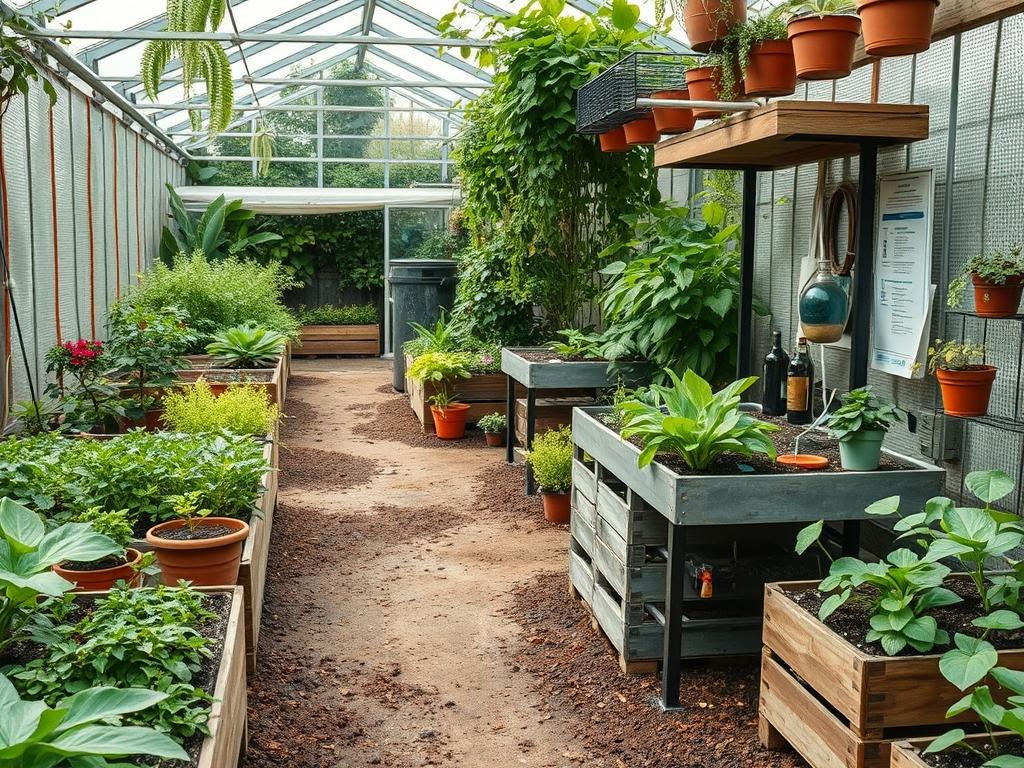
Integrating a beverage station into a professional landscape design requires more than placing a cart on a patio. It represents a transition from a purely aesthetic garden to a high-utility social environment. When planning these spaces, a landscape architect must consider how the station anchors the outdoor room and maintains the sites overall flow. These Outdoor Beverage Station Tips focus on the synthesis of structural integrity and horticultural beauty. Climate considerations are paramount; a station in an arid region might require drought-tolerant shade structures, while a humid environment necessitates materials resistant to rot and mold. Beyond functionality, a well-placed station increases curb appeal by suggesting a lifestyle of curated leisure. It serves as a secondary focal point that draws guests into the garden, encouraging the use of the entire property rather than just a small area near the back door.
Landscape Design Principles
Successful garden planning follows several core principles that elevate a simple bar into a sophisticated destination. Symmetry and focal points are essential for directing movement. If your outdoor beverage station is the destination, the visual axis must lead the eye toward it through the use of hedgerows or stone pathways. Creating elevation layers can also define the space. By raising the bar area by a few inches or setting it on a slightly sunken terrace, you create a distinct zone without the need for walls.
Irrigation planning is frequently overlooked when designing these social hubs. Water lines must be integrated early in the design phase to provide for a sink or an automatic ice maker. Similarly, placing the station near a grading break ensures that any runoff from cleaning or spills flows away from the main seating area. Walkways should be at least 36 inches wide to allow for comfortable traffic flow when guests are congregating around the drinks. Visual balance is achieved by mirroring the bulk of the beverage station with vertical plantings or a retaining wall on the opposite side, preventing the landscape from feeling lopsided.
| Plant Type | Sun Exposure | Soil Needs | Water Demand | Growth Speed | Maintenance Level |
| :— | :— | :— | :— | :— | :— |
| English Lavender | Full Sun | Well-Drained | Low | Moderate | Low |
| Japanese Boxwood | Full to Part Sun | Loamy | Moderate | Slow | Moderate |
| Spearmint (Potted) | Full to Part Sun | Rich/Moist | High | Fast | High |
| Blue Fescue | Full Sun | Sandy/Dry | Low | Moderate | Low |
| Serviceberry | Full to Part Sun | Acidic | Moderate | Moderate | Low |
| Rosemary | Full Sun | Gritty | Low | Moderate | Low |
Plant and Material Selection
The table above highlights species that serve both aesthetic and functional roles near a beverage station. Plants like Lavender and Rosemary provide sensory appeal and can even be used as fresh garnishes for cocktails. Material choice is equally critical for the station itself. Natural granite, sealed concrete, and marine-grade stainless steel offer durability against UV exposure and temperature fluctuations. When selecting stone for the surrounding floor, choose non-slip pavers or textured flagstone. Avoid polished marble or slick materials that become hazardous when wet. The color palette of the materials should harmonize with the home’s exterior and the surrounding natural mulch. Cooler tones like slate grey or limestone white can help reflect heat, keeping the beverage area more comfortable during the peak of summer.
Implementation Strategy
The first step in any backyard layout is a comprehensive site analysis. Start by checking the grading to ensure the ground is level. A slope of more than 2 percent will require a retaining wall or a leveled platform of crushed stone to provide a stable base. Once the site is level, map out the layout with landscape marking paint to visualize the footprint.
The foundation usually begins with a 4-inch layer of compactable gravel, followed by 2 inches of leveling sand. This creates a stable surface for hardscaping elements. If the station includes plumbing or electricity, use Schedule 40 PVC pipe for conduits and water lines, burying them at least 12 to 18 inches deep depending on local frost lines. For the surrounding garden beds, install steel edging to maintain a crisp line between the lawn and the station. Apply a 3-inch layer of organic cedar mulch to the transition zones to suppress weeds and retain moisture for the surrounding ornamental plants. This structured approach ensures the station remains a permanent, sinking-resistant feature of the property.
Common Landscaping Failures
One of the most frequent errors in garden planning is failing to account for drainage. If water pools around the base of a beverage station, it can lead to soil compaction and eventual foundation shifting. Always ensure that the percolation rate of your soil is adequate or install a French drain system to divert excess water.
Another failure involves root overcrowding. Planting a fast-growing tree too close to a permanent structure can lead to roots lifting the pavers or cracking the concrete footings within a few years. Proper spacing is non-negotiable. Research the mature spread of every plant before digging. Furthermore, many homeowners ignore irrigation efficiency. Placing a high-water plant next to a drought-tolerant shrub leads to one of them failing. Group your plants by their hydro-zones to simplify maintenance and ensure the health of the greenery surrounding your social space. Finally, neglecting to seal porous stone can lead to permanent staining from spilled wine or fruit juices, ruining the aesthetic investment.
Seasonal Maintenance
Landscape management is a year-round commitment. In the spring, focus on cleaning the hardscape surfaces with a mild detergent and checking for any shifting that occurred during the winter freeze. This is also the time to apply a new layer of mulch and prune any perennials that have become woody. When summer arrives, the primary task is irrigation monitoring. Ensure that plants near the beverage station are receiving enough water to survive the reflected heat from stone surfaces.
Autumn requires a shift toward debris management. Falling leaves can clog outdoor drains and stain stone surfaces if left to rot. Clear all gutters and surrounding catch basins regularly. Use a leaf blower or a stiff-bristled broom to keep the station area clean. For winter, the most critical step is winterizing the water lines. Shut off the supply and drain the pipes to prevent bursting. If the beverage station has a stone countertop, consider covering it with a breathable waterproof tarp to protect it from ice expansion. Protect sensitive plants with burlap wraps or move potted specimens into a sheltered area to ensure the landscape remains vibrant for the following year.
Professional Landscaping FAQ
How can I prevent water damage to my beverage station base?
Ensure the site has a 2 percent slope away from the structure. Use polymeric sand in the joints of your pavers to prevent water from penetrating the sub-base and causing the ground to heave.
What is the best way to light an outdoor bar safely?
Utilize low-voltage LED lighting integrated into the masonry or hidden under the counter overhang. This provides ambient light for safety without the glare of heavy floodlights, and it is safer for outdoor damp environments.
Can I grow edible garnishes right next to the station?
Yes, but use raised planters or pots to prevent soil contamination from foot traffic. Mint, basil, and rosemary thrive in containers and provide convenient access for drink preparation throughout the growing season.
How do I choose between a built-in or a mobile station?
A built-in station adds more value and allows for permanent plumbing. A mobile station offers flexibility for small yards. If you choose a built-in version, ensure it is anchored to a concrete pad at least 4 inches thick.
Which mulch is best for areas with high social activity?
Triple-shredded hardwood mulch or pine bark nuggets are excellent options. They stay in place better than light straws and provide a professional, dark-colored contrast that makes the colors of the beverage station and plants pop.