
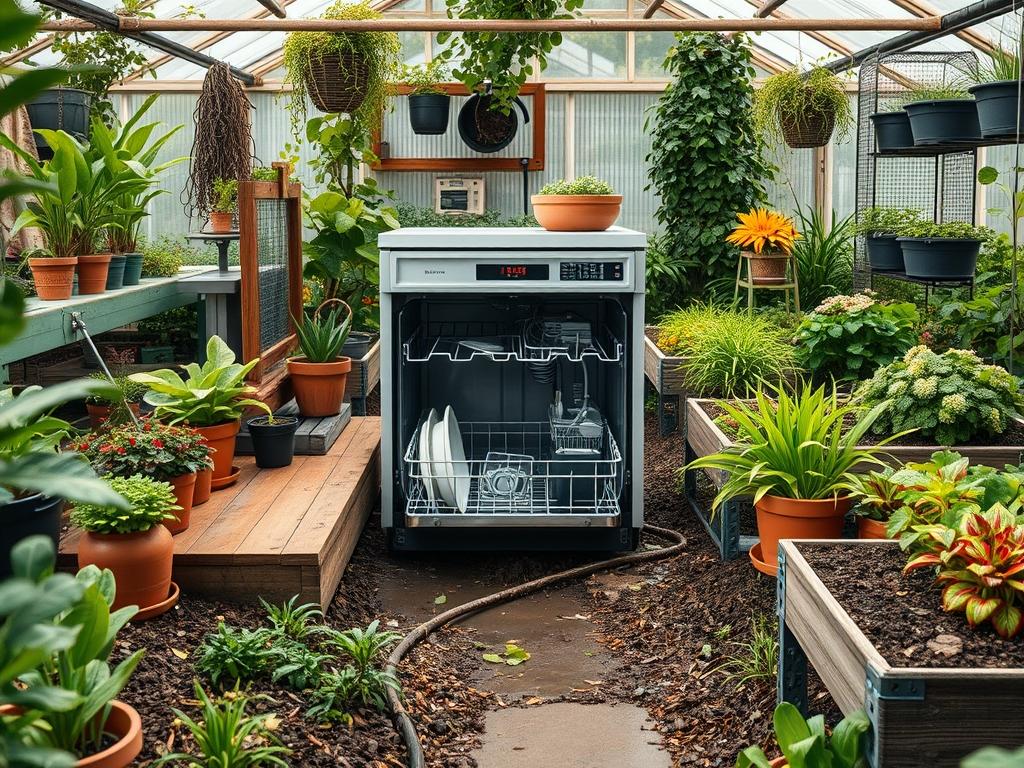
Integrating a high-end outdoor kitchen into a cohesive landscape design requires more than just selecting appliances; it demands a deep understanding of how utility meets environmental aesthetics. An Outdoor Dishwasher Installation serves as a vital anchor in modern alfresco dining spaces, yet its placement often dictates the flow of the entire backyard. From a landscaping perspective, the challenge lies in managing the technical requirements of plumbing and drainage while ensuring the unit does not interrupt the visual harmony of the garden. We must consider the site microclimate, the proximity to the primary residence, and the logistical realities of water management. A well-placed dishwasher reduces foot traffic between the indoor and outdoor zones, but if the surrounding landscape fails to account for the mechanical needs of the device, the result can lead to soil saturation and disrupted plant health. Professional planning focuses on the seamless transition from hardscaped utility zones to the lush, organic textures of the surrounding greenery.
Landscape Design Principles
When conceptualizing the layout for an Outdoor Dishwasher Installation, the primary principle is the integration of the work triangle within the larger garden context. Symmetry plays a significant role in high-end designs. If the dishwasher is housed within a Stainless Steel island, that island must be balanced by vertical elements in the landscape, such as Pleached Hornbeams or architectural Retaining Walls. These elements draw the eye upward, preventing the heavy footprint of the kitchen from feeling visually stagnant. We often utilize Elevation changes to delineate the cooking zone from the lounging zone. By placing the kitchen on a slightly raised Bluestone plinth, we create a natural barrier that protects the appliance from ground-level moisture and debris while defining its importance as a focal point.
Irrigation planning is equally critical when situating a dishwasher near a garden bed. The water lines for the appliance must be separated from the garden irrigation system to ensure that any potential leaks do not go unnoticed amidst the standard watering cycles. Walkways should be designed to facilitate easy movement between the dishwasher and the dining area. We recommend using Large Format Pavers with tight Mortar Joints to provide a smooth surface for carrying heavy loads of glassware. Visual balance is maintained by softening the hard edges of the kitchen cabinetry with textural planting. Utilizing Ornamental Grasses at the base of the island can mask the stark transition from the stone base to the earth, rooting the structure into the natural environment.
Plant and Material Selection
The selection of materials and vegetation surrounding the kitchen must be both durable and complementary to the industrial nature of the appliances.
| Plant Type | Sun Exposure | Soil Needs | Water Demand | Growth Speed | Maintenance Level |
| :— | :— | :— | :— | :— | :— |
| Boxwood | Full Sun to Shade | Well-Drained | Moderate | Slow | High (Pruning) |
| Lavender | Full Sun | Sandy/Lean | Low | Medium | Low |
| Miscanthus | Full Sun | Moist/Loamy | Moderate | Fast | Low |
| Star Jasmine | Full Sun/Partial | Rich/Humus | Moderate | Fast | Medium |
| Creeping Thyme| Full Sun | Gritty/Dry | Low | Medium | Very Low |
| Dwarf Olive | Full Sun | Well-Drained | Low | Slow | Low |
For the hardscaping, we prioritize materials that resist heat and chemical exposure. Granite countertops remain the industry standard for their non-porous nature, which is essential near a dishwasher where steam and moisture are constant. For the flooring, Porcelain Pavers offer a slip-resistant surface that is easy to sanitize. If the design calls for a more organic feel, Ipe Wood decking provides incredible durability against the elements, though it requires a UV-Protective Sealant to maintain its rich color. We avoid using soft stones like marble near high-traffic appliance zones because the acidic nature of some cleaning agents can cause permanent etching.
Implementation Strategy
The process begins with a comprehensive site analysis. We start by Grading the area to ensure a Two Percent Slope away from the kitchen structure. This prevents water from pooling around the base of the unit, which could damage the electrical components. Once the grade is established, we mark the utility trenches. An Outdoor Dishwasher Installation requires a dedicated GFI Outlet and a water supply line buried below the local frost line, typically 12 to 18 Inches deep depending on the region.
After the utilities are roughed in, we install the Hardscape foundation. A Six-Inch Compacted Gravel Base topped with Two Inches of Bedding Sand provides the necessary stability for the outdoor cabinetry. As the kitchen island is constructed, we ensure the dishwasher niche is slightly oversized to allow for Ventilation and ease of maintenance. For the drainage, we often install a Dry Well or connect to the main house sewer line, ensuring all local plumbing codes are strictly followed. Finally, we finish the surrounding area with Double-Shredded Hardwood Mulch at a depth of Three Inches to suppress weeds and retain moisture for the perimeter plantings, ensuring that no soil splashes onto the appliance during heavy rains.
Common Landscaping Failures
The most frequent mistake in an Outdoor Dishwasher Installation is the failure to account for proper drainage. If the area around the kitchen is not correctly sloped, greywater can leach into the sub-base of the patio, causing the pavers to heave or sink over time. This instability can eventually lead to the appliance becoming unlevel, which prevents the door from sealing correctly. Another common error is Root Overcrowding. Planting aggressive species like Bamboo or certain Willow varieties too close to the utility lines can result in root intrusion, leading to costly plumbing repairs.
Irregular spacing between the kitchen island and the surrounding garden can also cause issues. If plants are too close, the heat emitted from the dishwasher motor can scorch the foliage, leading to unsightly brown patches. Furthermore, Soil Compaction is a hidden danger. During the construction phase, heavy machinery can compact the earth to the point where it becomes impermeable. This creates a bathtub effect where water sits around the electrical conduits. We mitigate this by using a Core Aerator on the surrounding lawn and incorporating Perlite or Organic Compost into the garden beds to maintain a porous soil structure.
Seasonal Maintenance
Managing a high-end landscape with integrated appliances requires a seasonal checklist to ensure longevity.
Spring: This is the time for a system-wide audit. Inspect the water supply lines for any damage from winter freezes. Apply a fresh layer of Pre-Emergent Herbicide to the surrounding beds to prevent weed growth around the kitchen base.
Summer: Focus on irrigation. As the heat rises, the soil near the kitchen island may dry out faster due to the heat reflected from the Stainless Steel and stone surfaces. Adjust your Drip Irrigation timers accordingly. Check the dishwasher air gap for any debris that might have accumulated during heavy use.
Autumn: Clean the perimeter of the kitchen area. Remove fallen leaves and organic debris that could trap moisture against the appliance vents. Prune back any Climbing Vines or overhanging branches that may interfere with the unit’s operation.
Winter: In colder climates, winterization is non-negotiable. Shut off the water supply and use a Compressor to blow out any remaining water in the lines to prevent bursting. Cover the dishwasher with a Breathable Custom Cover to protect it from snow and ice while preventing mold growth inside the tub.
Professional Landscaping FAQ
How do I choose the best location for the dishwasher?
Situate the unit near the primary dining area but away from the main garden view. Ensure it is close to existing plumbing and electrical lines to minimize Trenching through established turf or garden beds.
What is the best way to hide the appliance?
Use custom Cabinetry Panels that match the outdoor kitchen aesthetic. Surround the area with Evergreen Shrubs like Boxwood to provide a natural screen that remains lush throughout the entire year.
Does a dishwasher need a dedicated drainage system?
Yes, you must manage the wastewater. This usually involves connecting to the home’s main sewer line or a local drainage field, depending on your municipal codes and the volume of water the machine produces.
Can I install a dishwasher on a wood deck?
It is possible if the deck is structurally reinforced to handle the weight. Use a Waterproof Underlayment to protect the wood from potential leaks or condensation that may occur during the wash cycle.
How do I prevent pests from nesting near the unit?
Ensure the island base is sealed with Galvanized Steel Mesh and keep the area free of organic debris. Use Pea Gravel around the perimeter of the kitchen to discourage rodents from burrowing near the warm motor.