
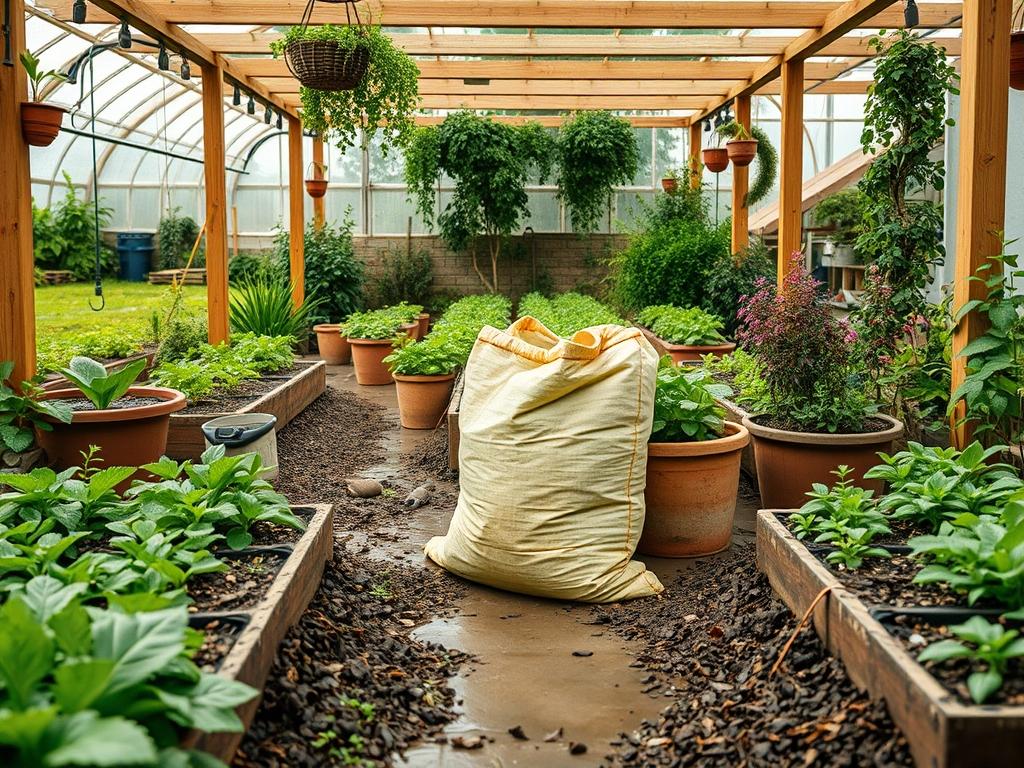
Creating a cohesive outdoor environment requires a delicate balance between structural integrity and aesthetic fluidity. When we design a high end landscape, the transition from the hardscape of a patio to the softscape of a garden must feel intentional rather than accidental. One of the most significant challenges in modern site planning involves securing overhead structures like pergolas without compromising the underlying infrastructure. While traditional post holes and concrete footings provide ultimate stability, many homeowners and commercial clients prefer the flexibility of semi-permanent installations. This is particularly true for properties with extensive stone masonry or delicate paver systems where drilling is not an option. In these scenarios, the integration of Backyard Pergola Weight Bags serves as a vital engineering solution. These weighted systems provide the necessary ballast to resist wind uplift while preserving the visual harmony of the site. By understanding how to blend these functional components into the broader landscape, you can achieve a professional finish that enhances curb appeal and ensures long term safety.
Landscape Design Principles
Professional landscape architecture relies on the concept of spatial hierarchy, where every element has a specific role in the overall composition. The pergola often serves as the primary focal point, acting as a portal between the residence and the natural world. To maintain symmetry, the placement of Backyard Pergola Weight Bags must be uniform across all support columns. If one post appears heavier at the base than another, the visual balance of the entire structure is disrupted. Designers often use these weights as a starting point for creating elevation layers. By surrounding the weighted bases with Raised Planter Boxes or Stone Edging, you can transform a functional necessity into a tiered design feature.
Walkway planning also dictates how these structural elements are managed. A pergola should never feel like an obstacle in a high traffic corridor. When using weight bags, it is essential to account for the additional footprint at the base of each post. This requires wider clearances for paths, typically requiring at least 36 Inches of unobstructed width for comfortable movement. Irrigation planning is another critical pillar. Weights must be positioned away from direct spray from Pop-Up Sprinklers to prevent moisture accumulation and potential mold growth on the fabric. Proper drainage ensures that water does not pool around the base of the weights, which could lead to slipping hazards or the degradation of the patio surface over time.
Plant and Material Selection
Selecting the right flora to complement a weighted pergola involves considering both the structural load and the environmental conditions created by the overhead canopy. The goal is to soften the appearance of the Backyard Pergola Weight Bags using textures that mimic the architectural lines of the structure.
| Plant Type | Sun Exposure | Soil Needs | Water Demand | Growth Speed | Maintenance |
| :— | :— | :— | :— | :— | :— |
| Star Jasmine | Full Sun to Part Shade | Well-Drained Loam | Moderate | Fast | Moderate |
| Boxwood Hedge | Full Sun to Shade | Neutral pH | Low to Moderate | Slow | Low |
| Creeping Thyme | Full Sun | Sandy/Gritty | Low | Medium | Very Low |
| Japanese Forest Grass| Part to Full Shade | Rich/Moisture Retentive | High | Slow | Low |
| Clematis | Full Sun (Roots Shaded) | Fertile/Alkaline | Moderate | Fast | High |
Using Star Jasmine or Clematis allows the greenery to climb the posts, effectively masking the weight bags over time. Meanwhile, a perimeter of Boxwood Hedge creates a living wall that hides the industrial look of weighted ballast.
Implementation Strategy
The successful installation of a weighted pergola begins with site preparation and grading. You must ensure that the surface is perfectly level before the structure is ever assembled. A slope of more than 1 Percent can cause weight bags to shift, leading to an uneven distribution of pressure on the pergola frame. Start by clearing the area and using a 4-Foot Level to check the grade. If you are installing on soil or turf, excavate the area to a depth of 4 Inches and backfill with Crushed Gravel or Leveling Sand to provide a stable foundation.
Once the surface is prepared, place your Backyard Pergola Weight Bags around each post. These bags are typically filled with Play Sand or Pea Gravel to achieve the desired mass. For a standard 10×10 Pergola, most manufacturers recommend a minimum of 40 Pounds per leg, though higher wind zones may require up to 100 Pounds per corner. After the bags are secured, apply a layer of Landscape Fabric over the surrounding ground to prevent weed growth. Finish the area with a 3-Inch Layer of Hardwood Mulch or Decorative River Rock. This not only hides the weights but also assists with moisture regulation and provides a clean, professional edge between the structure and the lawn.
Common Landscaping Failures
One of the most frequent mistakes in outdoor construction is ignoring the impact of drainage on weighted systems. If a pergola is placed at the bottom of a slope without a French Drain or proper swale, water will collect around the Backyard Pergola Weight Bags. This constant saturation can lead to soil compaction or, in the case of fabric weights, the development of foul odors and rot. Another failure involves root overcrowding. Homeowners often plant large shrubs too close to the pergola posts to hide the weights. Over time, the root systems can heave the patio stones or interfere with the level base required for the weighted bags, causing the pergola to lean.
Improper spacing is also a recurring issue. When designers fail to account for the radius of the weight bags, they often find that furniture or Outdoor Kitchen components no longer fit within the designated zone. Finally, irrigation inefficiency can ruin a landscape. If weight bags are placed directly over Drip Irrigation Lines, the pressure of the sand can crush the tubing, leading to localized flooding and the death of nearby plant life. Always map out your underground utilities before placing heavy ballast.
Seasonal Maintenance
Landscape management is a year round commitment that changes with the weather patterns. In the spring, inspect your Backyard Pergola Weight Bags for any signs of wear or UV degradation. This is the time to refresh the Mulch around the base and prune back any climbing vines that may have become too heavy for the structure. During the summer, the focus shifts to hydration and heat management. High temperatures can cause fabric weights to fade, so applying a Fabric Protectant Spray can extend their lifespan. Ensure that the weight of the bags has not caused the patio pavers to sink or tilt.
In the autumn, clearing fallen leaves and debris from around the weights is essential. Organic matter trapped against the bags can retain moisture and lead to staining on the patio surface. As winter approaches, consider the impact of freeze-thaw cycles. If you live in a climate with heavy snowfall, the additional weight on top of the pergola creates more downward pressure. Ensure the bags are still centered and have not been shifted by heavy winds or ice accumulation. If the bags are filled with water rather than sand, they must be drained or treated with an environmentally safe antifreeze to prevent the containers from cracking in sub-zero temperatures.
Professional Landscaping FAQ
How much weight do I actually need for a standard pergola?
For most 10×10 Aluminum Pergolas, a minimum of 50 Pounds per post is recommended. However, in regions with high wind gusts exceeding 30 MPH, increasing the ballast to 100 Pounds per leg provides essential safety and structural stability.
Can I hide weight bags with plants without causing rot?
Yes. Use Breathable Fabric Bags and place them on a base of Decorative Gravel. Surround the area with Potted Plants or Raised Beds rather than burying the bags directly in soil, which ensures airflow and prevents moisture retention.
What is the best filler for outdoor weight bags?
Kiln-Dried Sand is the preferred choice because it is dense and flows easily into bag corners. Pea Gravel is a secondary option that offers better drainage if the bag material is porous, though it is slightly less dense than sand.
Do weight bags work on uneven surfaces like lawn or dirt?
They are most effective on flat surfaces. To use them on a lawn, you must create a level pad using Paver Base and a Concrete Stepping Stone. This prevents the weight from sinking into the mud during heavy rain.
How long do high quality outdoor weight bags usually last?
Standard bags made from 600D Polyester or PVC Coated Canvas typically last 3 to 5 Years. Longevity depends on UV exposure and local humidity. Treating the fabric with a UV Inhibitor once per season will significantly extend their functional life.