
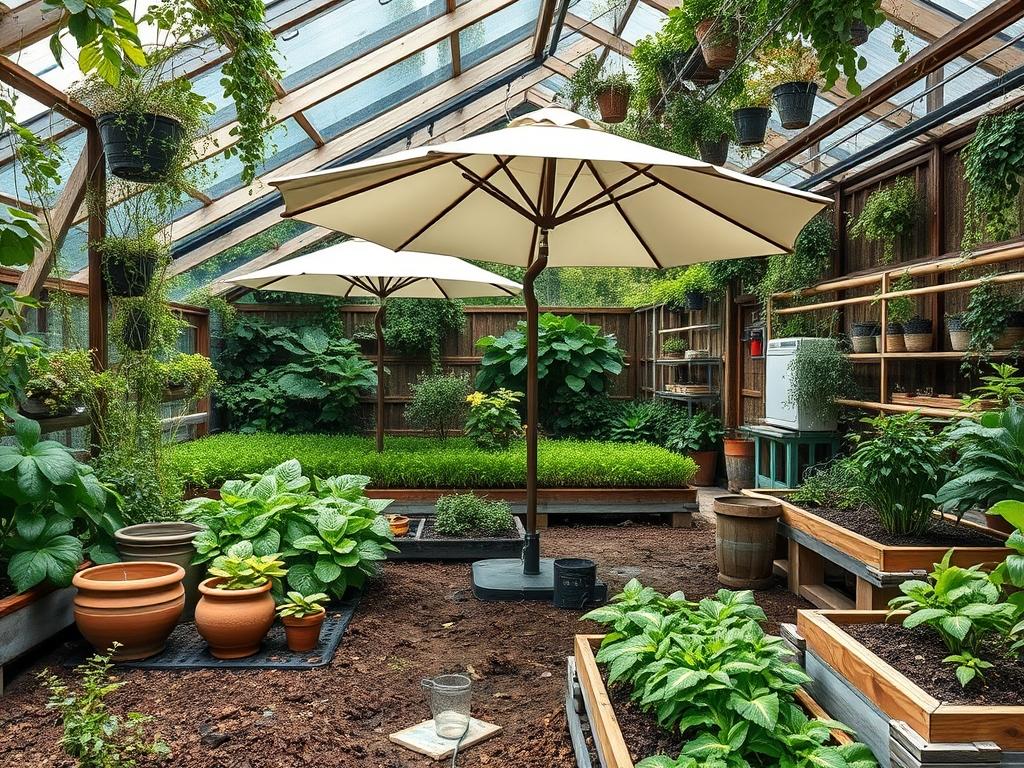
Creating a functional and aesthetically pleasing outdoor environment requires a delicate balance between hardscaping elements and living horticultural features. One of the most significant challenges in modern landscape design is the integration of high quality shade solutions that do not disrupt the visual flow of the property. Homeowners frequently request shade for dining areas or lounges located far from the main residence, making traditional awnings or pergolas impractical. This is where Backyard Cantilever Umbrellas become essential components of the master plan. These structures offer the advantage of overhead coverage without a central pole obstructing the center of the seating arrangement, but their off-center design introduces significant structural and spatial considerations. A professional approach treats the installation of these umbrellas not as a furniture purchase, but as a permanent landscape architectural decision that impacts curb appeal, traffic flow, and wind resistance strategies.
The goal of a well designed backyard is to foster a sense of harmony while maximizing the utility of every square foot. When we introduce a large shade structure, we must consider the microclimate of the site, including prevailing wind directions and sun tracking patterns throughout the day. A cantilever system allows for 360 degree rotation, which means the landscape around it must be flexible enough to accommodate the shifting shadow. We evaluate the terrain for slope and stability, ensuring that the ground can support the heavy Counterweight Base required for such an expansive canopy. By selecting materials that complement the surrounding Bluestone Pavers or Natural Wood Decking, we can elevate the outdoor experience from a simple yard to a sophisticated retreat.
Landscape Design Principles
Symmetry and visual balance are the cornerstones of high end landscape architecture. When positioning Backyard Cantilever Umbrellas, one must consider the visual weight of the canopy. If the umbrella is too large for the patio, it can make the space feel cramped; if it is too small, it appears as an afterthought. We often use the umbrella as a secondary focal point, balancing it against a primary feature like a stone fireplace or a custom water feature. This creates a series of outdoor rooms that guide a visitor through the space.
Elevation layers are another critical design principle. We utilize low lying ground covers, mid level shrubs, and the high canopy of the umbrella to create a tiered visual effect. This stacking prevents the eye from resting in only one place and makes a smaller backyard feel significantly larger. Irrigation planning must also account for the location of the umbrella base. We must ensure that Drip Lines do not interfere with the footing and that Runoff Water from the large canopy does not drown nearby plantings. Walkways should be designed with a minimum width of 4 Feet to allow people to pass the umbrella while it is fully deployed without brushing against the fabric or the framing.
Plant and Material Selection
| Plant Type | Sun Exposure | Soil Needs | Water Demand | Growth Speed | Maintenance Level |
| :— | :— | :— | :— | :— | :— |
| Japanese Forest Grass | Partial Shade | Loamy, Moist | Moderate | Slow | Low |
| Boxwood Shrub | Full Sun to Shade | Well Drained | Moderate | Medium | High (Shearing) |
| Coral Bells | Partial Shade | Rich, Humus | Moderate | Medium | Low |
| Star Jasmine | Full Sun | Adaptable | Low once set | Fast | Medium |
| Hostas | Deep Shade | Moist, Fertile | High | Medium | Very Low |
| Hydrangea | Partial Sun | Moist, Acidic | High | Fast | Moderate |
Implementation Strategy
The successful implementation of a landscape plan involving Backyard Cantilever Umbrellas begins with precise grading. The area designated for the umbrella must be perfectly level to prevent the arm from drifting or the frame from experiencing uneven stress. For a permanent installation, we recommend a Concrete Footing poured to a depth of at least 24 Inches depending on the local frost line. This provides a rock solid anchor that outlasts any portable base. If the client prefers flexibility, we utilize a Galvanized Steel Cross Base weighted with at least 300 Pounds of sand or decorative stone pavers.
During the hardscaping phase, we prepare the sub-grade by compacting the soil and adding a 6 Inch Layer of crushed stone for drainage. This prevents water from pooling around the metal base, which could lead to corrosion over time. We then lay the Pavers or Flagstone, using Polymeric Sand to lock the joints and prevent weed growth. Edging is installed to keep the lawn from creeping into the patio area, providing a clean line that defines the transition between the softscape and the hardscape. Finally, a 3 Inch Layer of organic mulch is applied to nearby garden beds to retain moisture and regulate soil temperature for the new plantings.
Common Landscaping Failures
The most frequent mistake in backyard planning is ignoring drainage. When a large umbrella is opened, it acts as a giant funnel during rain showers. If the patio is not sloped away from the house at a rate of at least 1 Inch per 10 Feet, water will accumulate near the foundation or undermine the umbrella base itself. Another common error is root overcrowding. Planting large trees too close to the umbrella can lead to canopy competition, where the tree limbs eventually damage the umbrella fabric or the roots lift the heavy base.
Improper spacing of furniture around the Backyard Cantilever Umbrellas often leads to a cluttered environment. We must account for the swing radius of the umbrella arm to ensure it does not strike walls, fences, or tall garden ornaments. Soil compaction is also an issue in high traffic areas. If the ground around the umbrella is not aerated regularly, the soil becomes like concrete, preventing water and oxygen from reaching the roots of the ornamental plants. Lastly, many homeowners fail to consider irrigation inefficiencies. Often, the umbrella itself blocks the spray of a traditional sprinkler head, leaving a “shadow” of dry, dying grass behind it.
Seasonal Maintenance
As the seasons change, the requirements for maintaining both the landscape and the Backyard Cantilever Umbrellas evolve. In the spring, the focus is on a thorough cleaning. We use a Soft Bristle Brush and a solution of mild soap to remove any mildew or pollen from the umbrella canopy. This is also the time to inspect the Crank Mechanism and apply a Silicone Based Lubricant to any moving parts. In the surrounding garden, we perform a clean out of dead perennials and apply a fresh layer of mulch.
Summer maintenance involves monitoring the hydration of the plants. Since some plants may be shaded by the umbrella for part of the day, their water needs will differ from those in the full sun. We check the tension of the umbrella fabric frequently, as heat can cause some materials to stretch slightly. When autumn arrives, it is crucial to remove fallen leaves from the top of the umbrella to prevent staining. We also begin the process of hardening off the plants for the coming cold.
Winter is the most critical time for the longevity of a cantilever system. In regions prone to snow and ice, the umbrella should be closed and protected with a heavy duty Fitted Cover. If possible, the entire unit should be moved to a garage or shed. Leaving a cantilever umbrella open during a winter storm is a recipe for catastrophic structural failure. In the landscape, we focus on protecting the roots of sensitive plants with extra mulch and ensuring that the drainage paths are clear of debris to prevent ice damming.
Professional Landscaping FAQ
How do I choose the right size umbrella for my patio?
Measure the seating area and add 2 Feet to each side for total coverage. A 10 Foot or 11 Foot canopy is the standard for a dining table seating six people comfortably while allowing for movement.
Can a cantilever umbrella stay out in the wind?
Most high quality Backyard Cantilever Umbrellas are rated for winds up to 20 Miles Per Hour. However, they should always be closed when not in use or during sudden gusts to prevent the sail effect from tipping the base.
What is the best material for an umbrella base?
A Steel Frame filled with High Density Polyethylene weights or solid Granite Slabs provides the best stability. Ensure the total weight meets the manufacturer’s specification, which is usually between 200 and 400 Pounds for larger models.
How do I prevent the umbrella fabric from fading?
Specify solution dyed acrylic fabrics like Sunbrella, which have the color saturated throughout the fibers. These materials are highly resistant to UV rays and will maintain their vibrancy for several years compared to cheaper polyester alternatives.
Do I need a permit to install a large umbrella?
Generally, umbrellas are considered temporary furniture and do not require a building permit. However, if you are bolting the unit directly into a permanent Concrete Pad or Decking Structure, check your local homeowners association guidelines for height restrictions.