
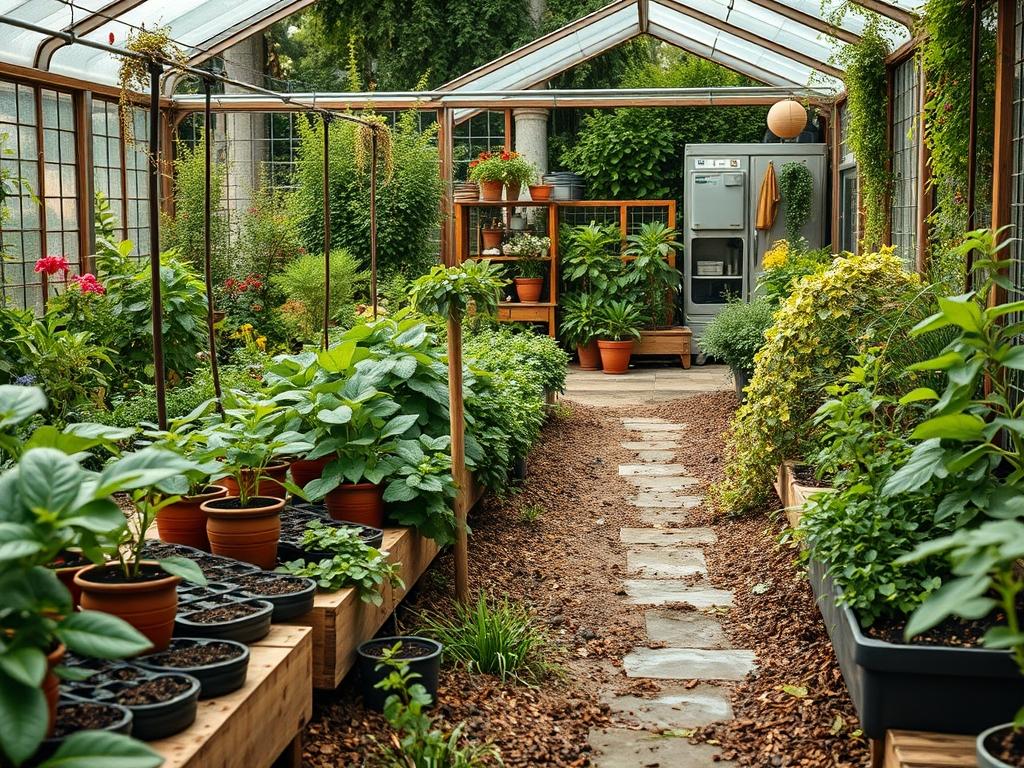
Transforming a standard residential perimeter into a productive harvest zone requires a shift in traditional landscaping philosophy. Most homeowners treat the backyard borders as a secondary aesthetic concern, often filling them with sterile or purely ornamental hedges that offer little ecological value. By implementing Backyard Fruit Bush Borders, property owners can create a multi-functional landscape that provides privacy, architectural structure, and a consistent yield of fresh produce. This approach, often referred to as edible landscaping, utilizes the natural growth habits of berry-producing shrubs to define the outdoor environment. Successful implementation hinges on understanding the specific micro-climates of the lot, ranging from the heat reflected off a southern-facing fence to the damp, shaded corners near the home’s foundation. The objective is to design a system where food production does not compromise the refined visual appeal of a professionally managed estate.
Landscape Design Principles
Effective landscape design relies on the intentional arrangement of form, color, and texture. When planning a fruit bush border, practitioners must look beyond the immediate harvest and consider the four-season structure of the plants. Symmetry and focal points are essential for maintaining a high-end appearance. For instance, placing a larger Serviceberry or Elderberry at the corners of a property provides a natural anchor, while smaller shrubs like Blueberries or Honeyberries fill the intermediate spaces. This creates a rhythmic flow that leads the eye along the perimeter.
Elevation layers are equally critical. A professional designer typically works in three tiers: the background, the mid-ground, and the foreground. In a productive border, the background should consist of taller, upright shrubs that act as a privacy screen. The mid-ground features mounding varieties that bridge the vertical gap, and the foreground is reserved for low-growing or trailing species that soften the transition to the lawn or walkway. Visual balance is achieved by staggering the heights and ensuring that the density of the foliage remains consistent. Furthermore, the integration of Hardscape Elements such as Low-Voltage Lighting or Flagstone Paths ensures that the garden remains functional and accessible even during the peak of the growing season. Irrigation must be planned as a foundational element, with Drip Irrigation Lines buried beneath the surface to deliver water directly to the root zones without encouraging fungal growth on the foliage.
Plant and Material Selection
The success of a fruit-bearing border is largely determined by matching the right species to the existing soil and light conditions. Unlike ornamental shrubs, fruit bushes have specific nutritional and caloric requirements to produce a viable crop.
| Plant Type | Sun Exposure | Soil Needs | Water Demand | Growth Speed | Maintenance Level |
| :— | :— | :— | :— | :— | :— |
| Blueberry | Full Sun | Acidic (4.5 to 5.5 pH) | High | Moderate | Moderate |
| Raspberry | Full Sun | Well-drained Loam | Moderate | Fast | High |
| Gooseberry | Partial Shade | Moisture-retentive | Moderate | Moderate | Low |
| Elderberry | Full to Part Sun | Damp, Organic | High | Very Fast | Low |
| Honeyberry | Full to Part Sun | Adaptable | Moderate | Fast | Low |
| Currant | Partial Shade | Rich, Heavy Soil | Moderate | Moderate | Low |
| Serviceberry | Full Sun | Well-drained | Low | Moderate | Low |
Implementation Strategy
The transition from a conceptual design to a physical installation begins with rigorous site preparation. Grading is the first priority; the soil must be sloped away from the home’s foundation at a minimum of 2 percent grade to ensure that irrigation or rainwater does not pool near the structure. If the backyard has significant elevation changes, a Timber or Stone Retaining Wall may be necessary to create level planting pockets that prevent soil erosion and nutrient runoff.
Once the grade is set, use a Laser Level and Surveyor’s Stakes to mark the exact footprint of the border. Edging is a vital component for a professional finish. Steel Edging or Concrete Pavers should be installed to create a crisp line between the turfgrass and the landscape bed. This physical barrier prevents invasive grass roots from encroaching on the fruit bushes and simplifies long-term maintenance. After the edging is secured, the soil must be amended based on a professional soil test. Fruit-bearing plants generally require higher levels of organic matter. Incorporating a 3-inch layer of Compost and Peat Moss into the top 12 inches of soil will provide the necessary tilth for root expansion.
When planting, ensure that the hole is twice the width of the root ball but no deeper than the container. This prevents the primary stem from settling too deep, which can lead to crown rot. Space the plants according to their mature width, typically 3 to 5 feet apart for most berry shrubs. Once the plants are in the ground, apply a 4-inch layer of Hardwood Mulch or Pine Bark. This mulch layer serves three purposes: it suppresses weed growth, regulates soil temperature, and retains moisture. For acid-loving plants like Blueberries, use Pine Needles or Acidified Bark Mulch to help maintain a low pH over time.
Common Landscaping Failures
The most frequent mistake in edible landscaping is improper drainage. Many fruit bushes, particularly Raspberries and Currants, are susceptible to root rot if they sit in stagnating water for prolonged periods. To prevent this, installers should check for heavy clay layers and, if necessary, install a French Drain or Drainage Tile beneath the planting bed to move excess water out of the root zone.
Another failure point involves root overcrowding and improper spacing. In a desire to see an immediate “filled-in” look, homeowners often plant shrubs too close together. As these plants reach maturity at year three or four, the lack of airflow leads to powdery mildew and significantly reduced yields. Furthermore, soil compaction from heavy foot traffic or construction equipment can stifle root growth. Using Flagstone Spite-Stones or designated Garden Paths ensures that the soil near the berries remains aerated and loose. Finally, inconsistent irrigation is the primary cause of fruit drop. Investing in an Automatic Irrigation Timer ensures that the plants receive a steady supply of water during the critical fruit-swelling stage in mid-summer.
Seasonal Maintenance
Managing Backyard Fruit Bush Borders requires a proactive, four-season approach to maintain both aesthetic beauty and plant health. In the Spring, the focus is on pruning and fertilization. Remove any dead, damaged, or diseased wood using Bypass Pruners. For cane berries like Blackberries, thin out the older stalks to allow light to reach the center of the plant. Apply a Slow-Release Organic Fertilizer balanced specifically for fruiting shrubs before the first buds break.
During the Summer, the priority shifts to moisture management and harvest. Check the Drip Irrigation System for leaks or clogged emitters. As the fruit ripens, integrated pest management may be required. Using Bird Netting can preserve the crop, though for a professional appearance, many designers prefer using Motion-Activated Sprinklers to deter wildlife without obscuring the bushes.
In the Autumn, the goal is to prepare the landscape for dormancy. Clean up fallen fruit and leaves to prevent pathogens from overwintering in the soil. Refresh the Mulch Layer to protect the roots from the upcoming freeze-thaw cycles. This is also the ideal time to take soil samples and adjust the pH if necessary, as amendments like Elemental Sulfur or Lime take several months to incorporate fully.
Winter maintenance is largely structural. Ensure that the shrubs are protected from heavy snow loads, which can snap brittle branches. For younger plants, a Burlap Screen can prevent winter desiccation caused by harsh winds. This dormant period is also the best time for “rejuvenation pruning” on older, overgrown shrubs, allowing the landscape architect to reshape the border for the coming year.
Professional Landscaping FAQ
What is the best way to maintain soil acidity for berries?
To maintain the low pH required by Blueberries, apply Elemental Sulfur twice a year. Using Pine Needle Mulch also provides a slow release of acidity as it decomposes. Always verify with a Soil pH Meter before making significant adjustments.
How do I prevent my fruit border from looking messy?
Use Steel Edging to define the border line and maintain a consistent 4-inch Mulch Layer. Regular pruning and selecting “stay-put” varieties rather than those that spread by erratic suckers will keep the landscape looking intentional and neat.
How much water do fruit bushes require weekly?
Most fruit shrubs require approximately 1 to 1.5 inches of water per week during the growing season. This should be delivered through a Drip System in two deep sessions rather than frequent shallow sprays to encourage deep root systems.
Can I grow fruit bushes in total shade?
While most fruit bushes prefer full sun, Gooseberries and Currants can tolerate and even thrive in partial shade. However, total shade will significantly decrease fruit production and may lead to lanky, weak stems that lack ornamental value.
What is the lifespan of a typical fruit bush border?
Most berry shrubs are productive for 15 to 20 years if properly maintained. Some species, like Blueberries, can last even longer. Successional planting or replacing one or two older plants every few years ensures the border remains vibrant and productive.