
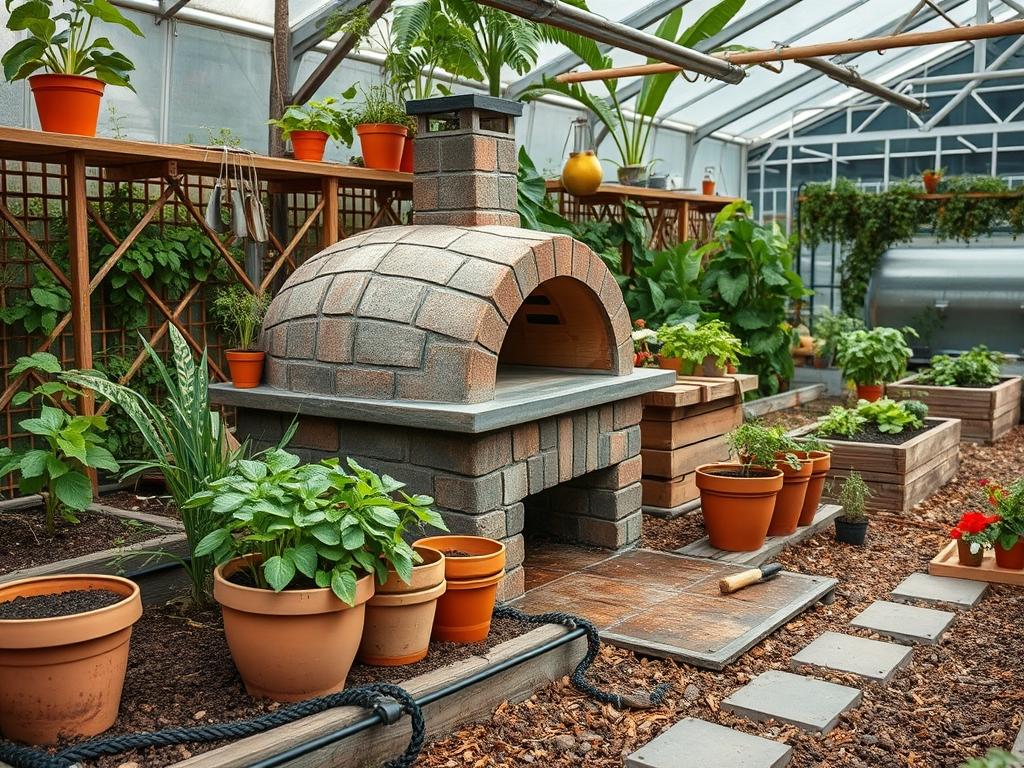
Integrating a high performance culinary tool into a residential landscape requires more than just a flat surface and a clear view. When homeowners invest in Backyard Pizza Oven Kits, they are essentially installing a permanent architectural feature that dictates the flow and functionality of the entire outdoor environment. As a landscape architect, I view these kits as the hearth of the garden. The primary challenge lies in balancing the intense heat and weight of the structure with the delicate biological needs of the surrounding flora. Climate considerations are paramount. A coastal environment requires materials that resist salt spray corrosion, while arid climates demand heat-tolerant plantings that can withstand the radiated warmth from a Refractory Brick oven. Beyond mere utility, the positioning of the oven affects the total curb appeal and property value. A poorly placed unit can interrupt sightlines or create hazardous smoke corridors. A well integrated oven, however, serves as a visual anchor that connects the interior kitchen to the outdoor “living room,” creating a seamless transition that enhances both property aesthetics and social utility.
Landscape Design Principles
Successful integration of a pizza oven begins with the principle of spatial hierarchy. The oven should occupy a primary or secondary focal point, depending on the size of the yard. For smaller urban lots, a symmetrical layout provides a sense of order and maximizes the footprint. In larger, more rolling estates, an asymmetrical approach using Retained Earth and Natural Stone allows the oven to appear as if it emerged from the topography itself. Elevation is a critical tool here. Raising the oven on a Masonry Pedestal or a Tiered Terrace creates a distinct “zone” for cooking, which separates the high traffic activity of the chef from the relaxed seating areas.
The “Outdoor Kitchen Triangle” remains a gold standard for planning. Ensure there is a logical path between the indoor prep station, the outdoor oven, and the fuel storage area. If the kit is wood-fired, the storage for Seasoned Hardwood should be accessible but visually screened. Walkways should be constructed from non-slip materials like Flamed Granite or Textured Concrete Pavers to ensure safety when carrying heavy trays. Irrigation planning is another silent pillar of design. Water lines must be rerouted to avoid the oven’s foundation, yet they must remain close enough to service perimeter plantings that may suffer from the increased localized temperature during peak summer usage.
Plant and Material Selection
The following table outlines species and materials that complement the heat and aesthetic of a pizza oven environment.
| Plant Type | Sun Exposure | Soil Needs | Water Demand | Growth Speed | Maintenance Level |
| :— | :— | :— | :— | :— | :— |
| Rosemary (Rosmarinus officinalis) | Full Sun | Well-Drained | Low | Moderate | Low |
| Lavender (Lavandula) | Full Sun | Sandy/Gravelly | Low | Moderate | Annual Pruning |
| Italian Cypress | Full Sun | Adaptable | Moderate | Fast | Minimal |
| Creeping Thyme | Full/Partial | Loamy/Sandy | Low | Fast | Very Low |
| Dwarf Olive Tree | Full Sun | Well-Drained | Low | Slow | Moderate |
| Switchgrass | Full/Partial | Versatile | Low | Fast | Cut back in Spring |
When selecting hardscape materials, prioritize thermal mass and durability. Decomposed Granite provides a rustic, permeable surface for high-traffic areas, while Slate Veneer can be used to finish the exterior of the oven kit to match existing home architecture. Avoid using wood decking directly under the oven mouth. Instead, transition to a Heat-Safe Hearth made of Bluestone or Fire-Rated Pavers.
Implementation Strategy
The implementation of Backyard Pizza Oven Kits proceeds through a specific sequence of site preparation. First, identify the exact footprint and conduct a Perc Test to ensure the area does not hold standing water. The weight of these structures, often exceeding several hundred pounds, requires a stable foundation. Excavate the area to a depth of 8-inches, filling the first 6-inches with a Crushed Gravel Base. Use a Plate Compactor to ensure the substrate is immovable; any settling will cause the Firebrick to crack over time.
Once the base is level, install a 4-inch Reinforced Concrete Slab or a dense layer of Paver Sand if using heavy stone. Use a Spirit Level at every stage. Even a one degree tilt can affect the oven’s draw and heat distribution. For the surrounding garden, define the borders using Steel Edging or Belgium Block to prevent the encroachment of lawn grass into the cooking zone. When applying mulch, ensure a 3-inch depth of Triple-Shredded Hardwood Mulch, but keep it at least 12-inches away from the base of the oven to mitigate fire risks. Finally, install a Catch Basin or a French Drain if the oven is located at the base of a slope to prevent runoff from undermining the foundation.
Common Landscaping Failures
The most frequent mistake I see in the field is poor drainage. If water pools around the base of a pizza oven, the freeze-thaw cycle in colder climates will heave the foundation, leading to structural failure of the kit. Another common error is root overcrowding. Planting large canopy trees too close to the oven results in two problems. First, the roots will eventually lift the hardscaping. Second, the low-hanging branches create a massive fire hazard. Always observe the “Mature Spread” listed on plant tags and double it when planting near an open flame source.
Soil compaction is another silent killer. During the construction of the oven, heavy foot traffic and equipment crush the soil’s pore space. If this is not remediated with a Broadfork or Mechanical Aerator before planting, the surrounding greenery will struggle to thrive. Lastly, many homeowners fail to account for the “Heat Plume.” Hot air exiting the Chimney Stack can desiccate the foliage of overhanging trees or melt vinyl siding on nearby structures. Always maintain a minimum 10-foot vertical clearance from any combustible material.
Seasonal Maintenance
Landscape management around a pizza oven changes with the calendar. In the Spring, the focus is on “un-tucking” the garden. Remove any Winter Burlap protectors from sensitive plants and inspect the Hardscape Joints for wash-out. This is the time to replenish Polymeric Sand between pavers to prevent weed growth. During the Summer, monitoring irrigation is vital. The thermal mass of the oven stays warm long after the fire is out, increasing the evaporation rate of the nearby soil. Adjust your Drip Irrigation timers to provide deep, infrequent watering at dawn.
When Autumn arrives, the primary task is debris management. Leaf litter must be cleared daily from the cooking area to prevent accidental fires. This is also the ideal time to apply a Pre-emergent Herbicide to garden beds to stop winter weeds from taking hold. In Winter, if the oven is not in use, protect the Refractory Surfaces from moisture with a high-quality Breathable Cover. Do not use salt or chemical de-icers on the stone surrounding the oven, as these chemicals can leach into the soil and kill your perennials. Use Coarse Sand for traction instead.
Professional Landscaping FAQ
What is the best base for a heavy pizza oven kit?
A Reinforced Concrete Pad over a 6-inch compacted Gravel Sub-base is the professional standard. This prevents the oven from shifting, cracking, or sinking over time, ensuring the long term structural integrity of the masonry and the surrounding hardscape.
How do I prevent the oven from killing my grass?
Install a Heat Buffer of non-combustible material, such as Pea Gravel or River Rock, at least 3-feet around the oven. This protects the turf from high foot traffic and the intense radiant heat generated during the firing process.
Can I build a pizza oven under a pergola?
Yes, but it requires a Double-Walled Insulated Chimney Pipe that extends at least 2-feet above the pergola roof. You must follow local fire codes and ensure the wood is treated with a fire retardant to prevent accidental combustion from rising embers.
Which plants are best for masking oven smoke?
Large-leafed evergreens like Holly or Privet can help baffle smoke, but the better strategy is planting aromatic herbs like Sage and Rosemary. These contribute pleasant scents that mingle with the wood smoke, enhancing the overall sensory experience of the kitchen.
How do I handle drainage on a sloped patio?
Install a Trench Drain or Channel Drain on the uphill side of the oven. This diverts surface runoff away from the oven base and directs it toward a lower point in the yard or a specialized Dry Well system.