
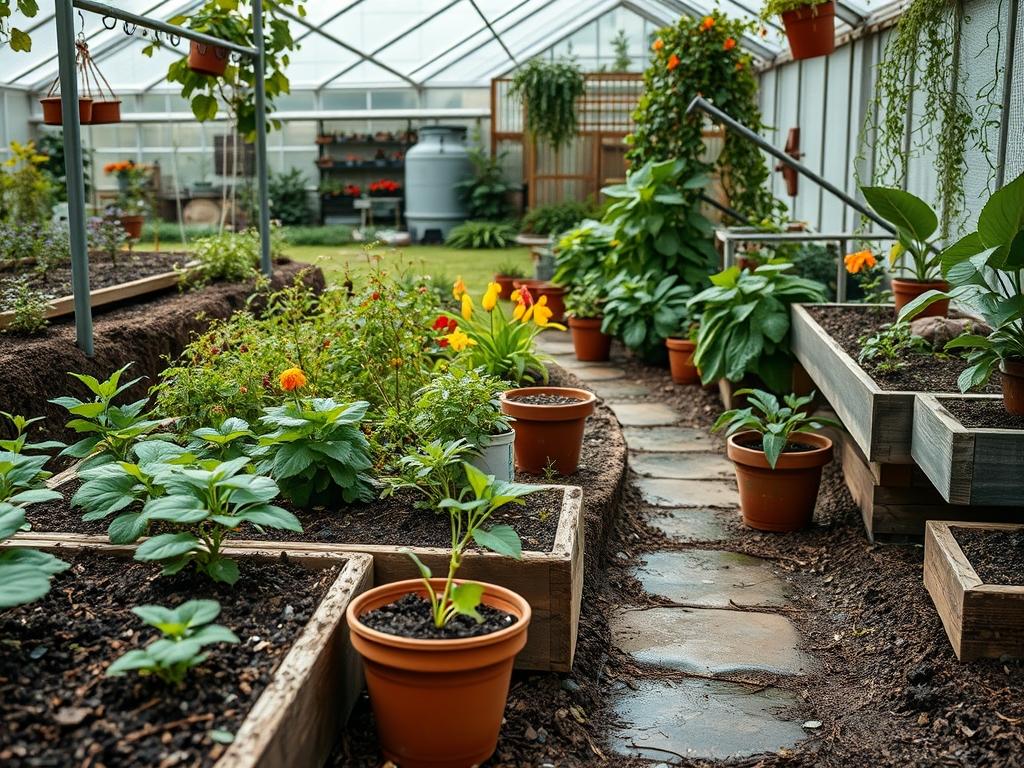
Integrating a comprehensive pest management strategy into a high-end landscape requires a delicate balance between botanical aesthetics and functional safety. For homeowners, the backyard is an extension of the living room, a sanctuary where children and pets should roam without the threat of parasitic insects. However, the very elements that create a lush, inviting environment, such as dense groundcovers, moisture-retentive mulch, and shaded alcoves, are the primary breeding grounds for fleas. Effective landscape architecture must address these ecological niches through structural design and botanical selection. While many turn to harsh chemical treatments, the modern consultant prioritizes Backyard Flea Control Sprays derived from natural essential oils and inert minerals. These solutions protect the biological integrity of the soil while ensuring the outdoor environment remains a healthy space for the entire family. Curb appeal is not merely about the visual arrangement of Hydrangeas or the crisp line of a Stone Walkway; it is defined by the usability and comfort of the space. A beautiful garden that cannot be enjoyed due to a flea infestation is a failure in design. By understanding the intersection of drainage, airflow, and plant chemistry, we can create landscapes that are naturally resistant to pests.
Landscape Design Principles
Great landscape design begins with the principle of symmetry and the intentional direction of the eye toward focal points, but it must also account for the movement of air and light. Fleas thrive in stagnant, humid environments where the sun cannot reach the soil surface. To combat this, architects utilize elevation layers to promote drainage and prevent the damp conditions that flea larvae require. By incorporating Retaining Walls and terraced garden beds, we can manipulate the site’s topography to ensure that water moves away from high-traffic areas. This structural intervention reduces the need for frequent applications of Backyard Flea Control Sprays by eliminating the pest’s preferred habitat.
Focal points like a custom Pergola or a Water Feature should be surrounded by materials that discourage insect activity. For example, using a wide perimeter of Pea Gravel or River Rock around seating areas creates a dry barrier that fleas are reluctant to cross. Visual balance is achieved by mixing these hardscapes with softscapes, ensuring that no single area becomes too dense with foliage. Airflow is the invisible partner of good design. By spacing plants according to their mature width, we allow breezes to sweep through the garden, lowering the ambient humidity and naturally desiccating flea populations. Irrigation planning is equally critical; a switch from overhead sprinklers to a targeted Drip Irrigation System ensures that water reaches the roots of the plants without soaking the leaf litter where fleas hide.
Plant and Material Selection
The following table outlines botanical choices that serve the dual purpose of enhancing aesthetic value and providing natural repellent properties. These selections are foundational for a pet-friendly, low-pest environment.
| Plant Type | Sun Exposure | Soil Needs | Water Demand | Growth Speed | Maintenance Level |
| :— | :— | :— | :— | :— | :— |
| Lavender | Full Sun | Well-Drained | Low | Moderate | Low |
| Rosemary | Full Sun | Sandy/Loam | Low | Moderate | Low |
| Lemongrass | Full Sun | Rich/Moist | Moderate | Fast | Moderate |
| Chrysanthemum | Full/Partial | Fertile | Moderate | Moderate | Moderate |
| Peppermint | Partial Shade | Moist | High | Fast | High (Invasive) |
| Catnip | Full/Partial | Versatile | Moderate | Fast | Low |
In addition to these plants, the choice of mulch is a significant factor. While traditional Hardwood Mulch is popular for its appearance, it can retain too much moisture if applied too thickly. Professionals often recommend Cedar Chips or Pine Bark Nuggets. The natural oils in cedar act as a primary deterrent for many crawling insects. When these materials are combined with a scheduled application of natural Backyard Flea Control Sprays containing Cedarwood Oil or Geraniol, the landscape becomes an active participant in pest management.
Implementation Strategy
Implementing a pest-resistant landscape requires a disciplined approach to site preparation. The process begins with grading. A professional grade should feature a slope of at least two percent away from the home’s foundation to prevent water pooling. Once the grade is established, designers install Edging made of Deep-Root Steel or Heavy-Duty Plastic to define the borders between turf and garden beds. This creates a clean aesthetic and prevents the encroachment of invasive grasses that can harbor pests.
Next, the focus shifts to drainage. In areas with clay-heavy soil, a French Drain or a series of Catch Basins may be necessary to move subsurface water into a dedicated Rain Garden or city storm system. After the drainage is secured, the soil profile must be addressed. Adding Organic Compost and Coarse Sand improves soil structure, ensuring that the top layers stay dry and friable. When laying down mulch, a depth of precisely three inches is ideal. This is thick enough to suppress weeds but thin enough to allow for gas exchange and moisture evaporation. Hardscaping elements, such as Flagstone Pavers or Cobblestones, should be set on a base of Crushed Limestone to provide a solid, dry surface for outdoor furniture. Finally, the application of Backyard Flea Control Sprays should be performed after the landscape is fully installed, focusing on the interface between the lawn and the wooded perimeter.
Common Landscaping Failures
The most frequent mistake in backyard planning is the creation of “moisture traps.” This occurs when homeowners over-irrigate or fail to account for the shadows cast by large structures. Soil compaction is another silent failure. When soil is packed too tightly by heavy foot traffic or construction equipment, water cannot penetrate, leading to localized flooding and high humidity at the ground level. This environment is a sanctuary for fleas.
Overcrowding is a common aesthetic error that also has biological consequences. When Shrubs are planted too close together, their root systems compete for nutrients, and their branches interlock. This creates a dark, protected canopy where Backyard Flea Control Sprays cannot easily reach. Improper spacing leads to fungal growth and pest infestations that can eventually kill expensive ornamental specimens. Lastly, many owners fail to maintain their Irrigation Controllers. A system that runs during a rainstorm or leaks at the valves creates the very dampness that designers work so hard to avoid. Regularly auditing the system with a Pressure Gauge and checking for broken heads is essential for maintaining the integrity of the landscape.
Seasonal Maintenance
Maintenance is a year-round commitment that changes with the cycles of the garden. In the spring, the focus is on “unfolding” the yard. This involves removing the dead leaf litter from the previous autumn, which often houses overwintering flea eggs. This is the optimal time for the first seasonal application of Backyard Flea Control Sprays. As the weather warms into summer, mow the turf to a height of about three inches. Higher grass provides the shade that fleas love, while a shorter, well-manicured lawn allows the sun to reach the soil and act as a natural disinfectant.
During the autumn, the primary goal is leaf management. A heavy layer of fallen leaves acts like a thermal blanket for pests. Use a Leaf Blower or a Rake to clear debris from garden beds and lawn areas. This is also a good time for core aeration using a Plug Aerator, which relieves soil compaction and improves drainage before the winter rains arrive. In the winter, the landscape is largely dormant, but the structural elements must be inspected. Check Retaining Walls for shifts caused by frost heave and ensure that Gutters and Downspouts are clear, as overflowing water can ruin the carefully planned grading and create new pest habitats for the following spring.
Professional Landscaping FAQ
How often should I apply natural flea sprays?
For maximum efficacy, apply Backyard Flea Control Sprays every four to six weeks during the peak growing season. If heavy rain occurs shortly after an application, a follow-up treatment may be necessary to maintain the protective barrier across your landscape.
Can I use cedar mulch in all my garden beds?
Cedar Chips are excellent for flea prevention, but they should be used judiciously. Their acidic nature may impact certain alkaline-loving plants. Focus their use on perimeter zones, walkways, and areas where pets frequently play or rest to maximize their repellent properties.
What is the best way to handle shaded areas?
Shaded zones are high-risk areas for fleas. Use a Pruning Saw to thin the canopy of overhanging trees, allowing more sunlight to hit the ground. Consider replacing dense groundcovers with Inorganic Mulch or stones to reduce moisture retention in these spots.
Are these natural sprays safe for all beneficial insects?
Most natural sprays based on Cedarwood Oil or Peppermint are designed to target specific pests. However, it is best to apply them during the early morning or late evening when pollinators like bees are less active to minimize any accidental contact.
Does lawn height really affect flea populations?
Yes. Keeping your grass at a consistent height of two to three inches allows sunlight to penetrate the stalks. Sunlight dries out the soil and kills flea larvae, which are highly sensitive to heat and low humidity levels in the yard.