
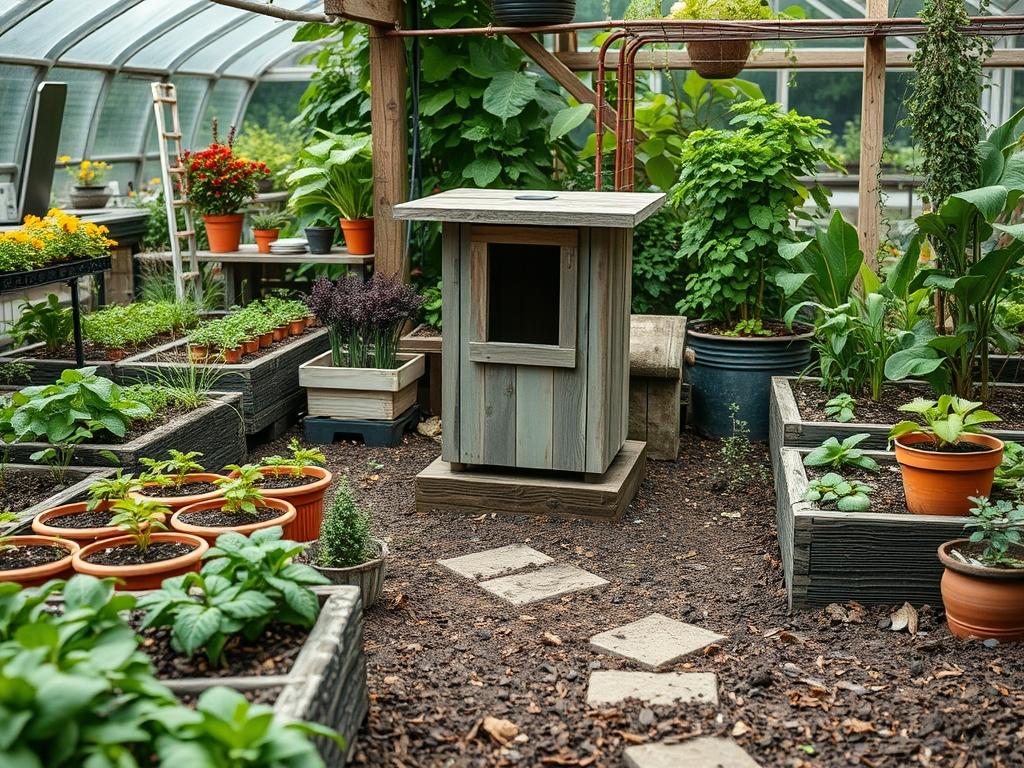
Integrating a functional raptor habitat into a curated residential or commercial landscape requires more than just a wooden box and a ladder; it demands a holistic understanding of the ecosystem. Backyard Owl Box Placement serves as a crucial component of biological pest control and biodiversity. When a landscape architect approaches a project, the goal is to harmonize aesthetic beauty with environmental utility. This leads to a garden that not only looks professional but functions as a living machine. The placement of an owl box must be calculated with the same precision as a structural retaining wall or an intricate drainage system. If the box is placed haphazardly, it becomes a visual eyesore or, worse, a death trap for the intended inhabitants. Climate considerations also play a pivotal role. In hotter regions, the thermal mass of the box and its exposure to the afternoon sun can lead to overheating. Conversely, in wind-swept northern climates, the entrance must be shielded from prevailing gusts to maintain internal temperatures. This intersection of architecture and biology defines the modern outdoor environment.
Curb appeal is often viewed through the lens of symmetry and manicured turf, yet there is a growing trend toward “rewilding” specific zones within a luxury landscape. A well-placed owl box can serve as a vertical focal point, adding height and interest to an otherwise flat horizon line. It creates a sense of purpose and stewardship. From a functional standpoint, attracting owls reduces the reliance on chemical rodenticides, which often leach into the soil and damage the health of Ornamental Shrubs and Hardwood Trees. By designing the landscape to support these apex predators, the consultant ensures that the soil remains untainted and the local food web remains in balance. This level of planning requires a deep dive into the topography of the land, the height of the canopy, and the specific needs of the local owl species.
Landscape Design Principles
When planning for Backyard Owl Box Placement, the architect must consider the principle of elevation layers. In a professional landscape, the ground layer consists of turf and groundcovers, the middle layer includes shrubs and ornamental trees, and the upper layer is the canopy. An owl box belongs in the upper layer, typically situated between 15 and 25 feet above the grade. This height provides the birds with a sense of security and a clear vantage point for hunting. To maintain visual balance, the box should be mounted on a sturdy pole or a mature tree that does not interfere with the primary Sightlines from the home. If the landscape relies heavily on symmetry, the box can be positioned at the terminus of a secondary garden path, acting as a functional sculpture.
Irrigation planning is another vital design principle. One must ensure that high-pressure spray heads do not reach the height of the owl box. Constant moisture on the exterior of the box leads to wood rot and fungal growth, which can be detrimental to the birds. Furthermore, the walkway leading toward the area should be constructed from permeable materials like Crushed Granite or Decomposed Granite to allow for proper drainage around the base of the mounting structure. This prevents the soil from becoming saturated, which could compromise the stability of a 4×4 Pressure-Treated Post or the health of a supporting tree. Designers should use a Theodolite or a Laser Level to ensure the box is perfectly plumb, as an unlevel box can cause eggs to roll or prevent proper drainage of the interior floor.
Plant and Material Selection
The following selections focus on creating a habitat that supports the owl’s prey while providing the necessary cover for the raptor itself.
| Plant Type | Sun Exposure | Soil Needs | Water Demand | Growth Speed | Maintenance Level |
| :— | :— | :— | :— | :— | :— |
| Eastern Red Cedar | Full Sun | Adaptable/Well-Drained | Low | Moderate | Low |
| White Oak | Full Sun | Deep/Acidic | Moderate | Slow | Low |
| Switchgrass | Full Sun to Part Shade | Loamy/Sandy | Low | Fast | Low |
| Serviceberry | Part Shade | Moist/Well-Drained | Moderate | Moderate | Medium |
| American Holly | Part Shade | Rich/Acidic | Moderate | Slow | Medium |
| Little Bluestem | Full Sun | Well-Drained/Dry | Low | Fast | Low |
Selecting the right materials for the box itself is just as important as the surrounding flora. Western Red Cedar or Marine-Grade Plywood are preferred for their durability and resistance to the elements. Avoid using pressure-treated wood for the box structure, as the chemicals can be toxic to the inhabitants. Use Stainless Steel Screws to prevent rust streaks from marring the exterior over time.
Implementation Strategy
The first step in a professional layout is conducting a thorough site analysis. Use Grade Stakes to mark the proposed location, ensuring it is at least 100 feet away from the main house to minimize noise disturbance. Check for overhead utility lines and underground irrigation pipes. Once the location is vetted, the grading should be addressed. The area around the base of the owl box post should be slightly mounded to ensure water runs away from the foundation. If you are mounting on a post, use a Post Hole Digger to reach a depth of at least 3 feet, then secure the post with High-Strength Concrete.
Once the post is level and the concrete has cured, the area should be finished with a clean edge. Use a Spade to create a sharp line between the turf and the habitat zone. Apply a layer of Landscape Fabric if necessary, followed by 3 inches of Hardwood Mulch or Pine Bark. This prevents weed competition and keeps the root zone of surrounding plants cool. For the box itself, ensure the entrance hole faces an open area like a field or a wide lawn. Owls need a clear “flight path” to enter and exit. If a limb or a neighboring structure blocks this path, the box will likely remain vacant. Finally, consider installing a Baffle on the pole to prevent predators like raccoons or snakes from reaching the nest.
Common Landscaping Failures
One of the most frequent errors in Backyard Owl Box Placement is improper spacing relative to human activity. Placing a box near a swimming pool, a loud air conditioning compressor, or a brightly lit patio will deter owls. Light pollution is a major deterrent; if LED Path Lights or large Security Floodlights illuminate the box entrance, the owls will feel exposed. Another failure is neglecting the soil health around the mounting area. Soil Compaction from heavy equipment during the installation of hardscapes can stifle root growth of the very trees intended to support the owl habitat.
Drainage mistakes also rank high on the list of failures. If the box is located in a low-lying area of the yard where water collects, the humidity levels inside the box will spike, leading to respiratory issues for the owlets. Furthermore, root overcrowding occurs when too many large trees are planted in a small radius, competing for nutrients and water. This can lead to “root heave,” where the trees become unstable. Always research the mature spread of any tree used as a mounting point or a neighboring shelter to ensure long-term stability and health.
Seasonal Maintenance
Landscape management is a year-round commitment. In the spring, the focus should be on observation. Monitor the box for activity but keep a respectful distance. Check the surrounding Drip Irrigation emitters to ensure they are functioning correctly and not leaking near the base of the post. As summer arrives, the primary task is moisture management. Ensure that the Native Grasses and supporting trees are receiving enough water during periods of extreme heat, but avoid overhead watering that could splash the box.
Autumn is the ideal time for structural inspections. Once the owls have fledged and left the site, use a sturdy Extension Ladder to check the integrity of the mounting brackets and the condition of the roof. Remove old nesting material and replace it with a fresh layer of Wood Shavings, approximately 2 inches deep. This is also the time to apply a fresh layer of mulch to the ground below. In winter, the goal is to prevent non-target species like squirrels or bees from taking over the cavity. Periodically check the entrance hole. If the box is located in a region with heavy snow, ensure that the weight of the snow on the roof does not compromise the mounting system.
Professional Landscaping FAQ
How high should I mount my owl box?
For most suburban species like Screech or Barn owls, the box should be mounted between 15 and 20 feet high. This ensures safety from terrestrial predators and provides a clear flight path for the raptors to hunt effectively.
Which direction should the owl box face?
The entrance should ideally face east or southeast. This orientation allows the morning sun to warm the box while protecting the interior from the harsh, direct heat of the afternoon sun and the prevailing western winds.
Do I need to put bedding inside the box?
Yes, providing a thin layer of Pine Shavings or coarse sawdust is beneficial. Owls do not bring their own nesting material, so a 2-inch base prevents eggs from rolling and provides essential insulation for the young during cold nights.
Can I mount an owl box on a metal pole?
A heavy-duty Galvanized Steel Pole is an excellent choice for mounting. It is more difficult for predators like cats and raccoons to climb compared to wood. Ensure the pole is anchored in a deep concrete footing for stability.
Will an owl box attract unwanted pests to my yard?
Owls are highly efficient hunters that primarily target rodents and large insects. While the box itself does not attract pests, the presence of an owl will significantly reduce the local population of mice, voles, and large beetles in your landscape.