
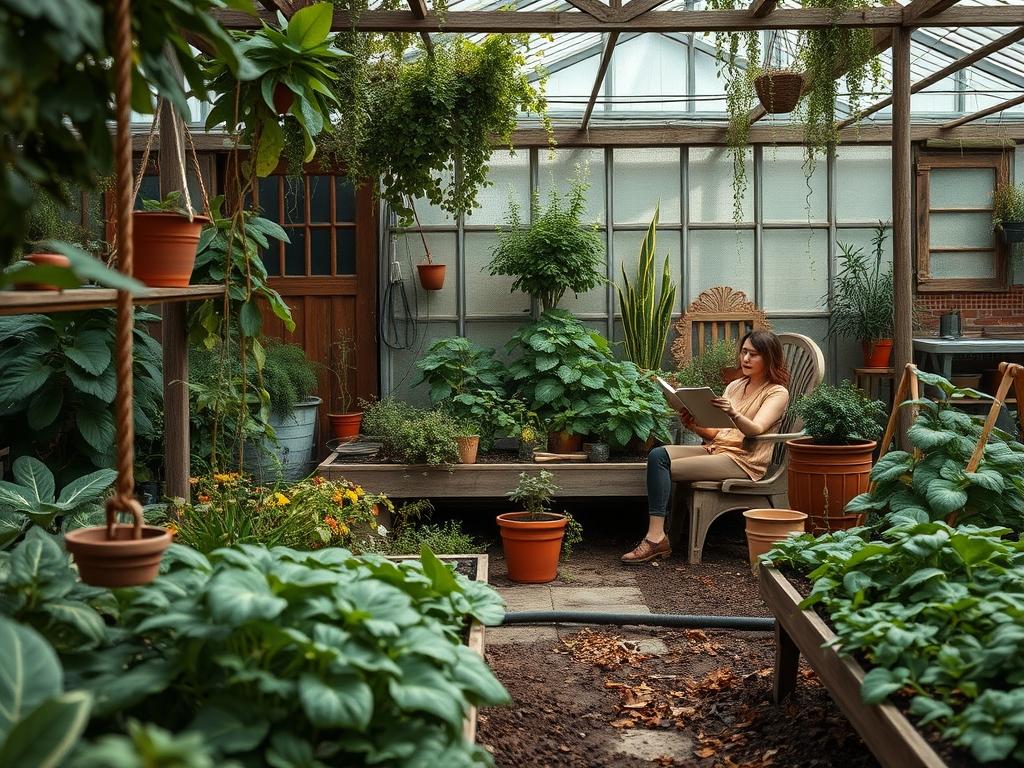
Creating a retreat within a residential landscape requires more than placing a chair under a tree. It involves a sophisticated understanding of site orientation, microclimates, and the psychological impact of spatial enclosure. A successful backyard reading nook serves as a functional extension of the home, offering a quiet sanctuary that balances privacy with the aesthetic beauty of the surrounding garden. From an architectural perspective, the challenge lies in defining the space without making it feel claustrophobic or disconnected from the broader landscape. Strategic planning must account for wind patterns, the transit of the sun across the sky, and the existing topography to ensure the area remains comfortable throughout the day. By treating the nook as a specific design zone, property owners can increase their usable square footage while significantly boosting the overall curb appeal and market value of the property.
Landscape architects prioritize the concept of the outdoor room when designing these environments. This involves establishing clear boundaries through the use of vertical elements and floor textures. A reading nook should feel intentional, using hardscaping materials to anchor the furniture and softscaping to soften the edges. Proper drainage is the foundation of any outdoor installation; without it, the most beautiful decor will suffer from moisture damage or soil erosion. Integrating a nook into the backyard also provides an opportunity to address existing landscape weaknesses, such as unused corners or slopes that are difficult to mow. By transforming these “dead zones” into curated destinations, the entire backyard experiences a shift in functionality and flow.
Landscape Design Principles
The first principle of effective backyard reading nook decor is the establishment of a clear focal point. Whether it Is a high back wrought iron bench or a modern teak lounger, the primary seating element should draw the eye and set the tone for the space. Symmetry often plays a role in formal designs, where twin boxwood hedges might flank the entrance to the nook. However, for a more relaxed, naturalistic feeling, asymmetrical balance is frequently preferred. This can be achieved by placing a large boulder on one side of the seating area and a cluster of varying heights of fountain grass on the other.
Elevation layers are critical for creating a sense of immersion. By lowering the grade slightly to create a sunken garden effect, or by raising the nook on a cedar deck platform, you physically separate the reader from the rest of the world. This vertical shift signals a change in purpose for the space. Furthermore, the use of “borrowed views” allows the designer to frame specific sights, such as a blooming cherry tree or a distant hilltop, while screening out less desirable elements like utility boxes or neighboring fences.
Walkways serve as the transition between different garden zones. A winding path made of flagstone or stepper stones buried in crushed granite slows the pace of the observer, building anticipation as they approach the quiet zone. Irrigation planning must be subterranean to avoid unsightly surface pipes or sprayers that could disturb the reader. Drip irrigation systems are the gold standard here, delivering water directly to the root zones of the surrounding plants without creating a wet environment for the furniture or the occupant.
Plant and Material Selection
Choosing the right components for a reading nook involves balancing aesthetics with hardiness. The materials must withstand local climate fluctuations while providing a tactile and olfactory experience that enhances the reading process.
| Plant Type | Sun Exposure | Soil Needs | Water Demand | Growth Speed | Maintenance Level |
| :— | :— | :— | :— | :— | :— |
| Star Jasmine | Full Sun to Part Shade | Well-drained, fertile | Moderate | Fast | Moderate (requires pruning) |
| Japanese Maple | Dappled Shade | Acidic, loamy | High | Slow | Low |
| Lavender | Full Sun | Sandy, alkaline | Low | Moderate | Low (requires deadheading) |
| Hostas | Full Shade | Rich, moist | Moderate | Moderate | Low |
| Feather Reed Grass | Full Sun | Adaptive | Low | Fast | Very Low |
| Sword Fern | Partial to Full Shade | Humus-rich, moist | High | Moderate | Low |
For hardscaping, natural stone is preferred for its longevity and ability to blend with the environment. If using wood, pressure-treated lumber or naturally rot-resistant species like IPE or Redwood are essential. For the “floor” of the nook, pea gravel provides excellent drainage and a satisfying crunch underfoot, while polymeric sand should be used between pavers to prevent weed growth and insect nesting.
Implementation Strategy
The construction of a reading nook begins with professional site preparation. First, the area must be cleared of all turf and organic debris. Excavate the ground to a 6-inch depth for the base layer, ensuring a 2 percent slope away from any structures to facilitate proper drainage. This grading prevents hydrostatic pressure from building up against walls or causing puddles in the seating area.
Once the grade is established, lay down a heavy-duty non-woven geotextile fabric to separate the subsoil from the base material. Fill the excavation with 4 inches of compacted ¾-minus crushed rock. Use a plate compactor to create a solid, level surface. If you are installing a permanent structure like a pergola or a retaining wall, the footings must be poured and set before the final surface material is applied.
For the finish layer, apply 2 inches of leveling sand if using pavers, or a thick layer of mulch if creating a more rustic forest floor. When choosing mulch, opt for hardwood bark mulch or pine nuggets, as these decompose slower than thinner shredded varieties. Edging is vital; use steel edging or poured concrete curbs to keep the transition between the garden beds and the reading area crisp. Finally, install the plants according to their root ball size, keeping the top of the root flare level with the soil surface to prevent rot.
Common Landscaping Failures
The most frequent mistake in backyard reading nook decor is ignoring the eventual size of the plant material. Root overcrowding occurs when species are planted too close to hardscaping or to each other. A creeping fig may look charming when small, but its aggressive roots can eventually lift concrete pavers or crack retaining walls. Always research the mature spread of a plant before digging the hole.
Another significant failure is poor soil compaction. If the base layer under a flagstone patio is not compacted correctly, the stones will shift and tip over time, creating a tripping hazard and an uneven surface for furniture. Similarly, improper drainage planning often leads to “bowl” effects where water collects in the center of the nook after a rainstorm. This can be mitigated by installing a French drain consisting of a perforated pipe buried in a trench of river rock.
Soil compaction in the planting beds is equally detrimental. When heavy equipment or excessive foot traffic compresses the soil, oxygen cannot reach the roots, leading to plant decline. To fix this, use a broadfork to aerate the soil without overturning the delicate microbiome. Finally, irrigation inefficiencies, such as over-watering in shaded areas, can lead to fungal outbreaks like powdery mildew, which will ruin the aesthetic of your secluded sanctuary.
Seasonal Maintenance
Landscape management is a year-round commitment that changes with the cycles of the seasons. In the spring, the focus should be on rejuvenation. Remove any winter debris, apply a new 3-inch layer of mulch to retain moisture, and fertilize with a slow-release organic compound. This is also the time to inspect your irrigation lines for leaks or clogged emitters caused by winter freezes.
During the summer, monitoring water stress is the priority. Early morning watering is most efficient, as it reduces evaporation and prevents leaf scorch. Prune back any aggressive summer growth that might be encroaching on the seating area using sharp bypass pruners. In the autumn, the goal turns to preparation. Rake fallen leaves to prevent them from mats on the lawn or stone surfaces, as decomposing organic matter can stain porous stone.
Winter maintenance involves protecting the hardscape and hardy perennials. Turn off the water supply to the nook and blow out the lines to prevent bursting. If you have delicate furniture, move it to storage or use heavy-duty canvas covers. For the plants, a layer of evergreen boughs or burlap wraps can protect more sensitive species from wind desiccation and frost heave.
Professional Landscaping FAQ
How do I choose the best location for a reading nook?
Select a site based on sun exposure and noise levels. Observe your yard at different times of day to see where natural shade falls. Ensure the spot is away from high-traffic areas or loud air conditioning units to maximize tranquility.
What is the best material for a low-maintenance nook floor?
Decomposed granite or pea gravel offer the best balance of drainage and ease. They do not require the precise leveling of pavers and allow water to percolate directly into the ground, reducing the need for complex drainage systems or runoff management.
How can I create privacy without building a tall fence?
Use “living walls” made of columnar evergreens or climbing vines on a trellis. Arborvitae or clumping bamboo provide dense, year-round screening. These green barriers also act as natural sound dampeners, enhancing the quiet atmosphere needed for reading.
Can I install a reading nook on a sloped backyard?
Yes, by using retaining walls to create a level terrace. You must ensure the wall is properly engineered with weep holes to allow water to escape. A tiered approach can actually make the nook feel more private and architecturally interesting.
What lighting is best for reading outdoors at night?
Focus on a combination of task and ambient lighting. A post-mounted lantern or an adjustable LED spotlight provides direct light for pages. Use low-voltage pathway lights to ensure safe access to the nook without overpowering the natural darkness of the garden.