
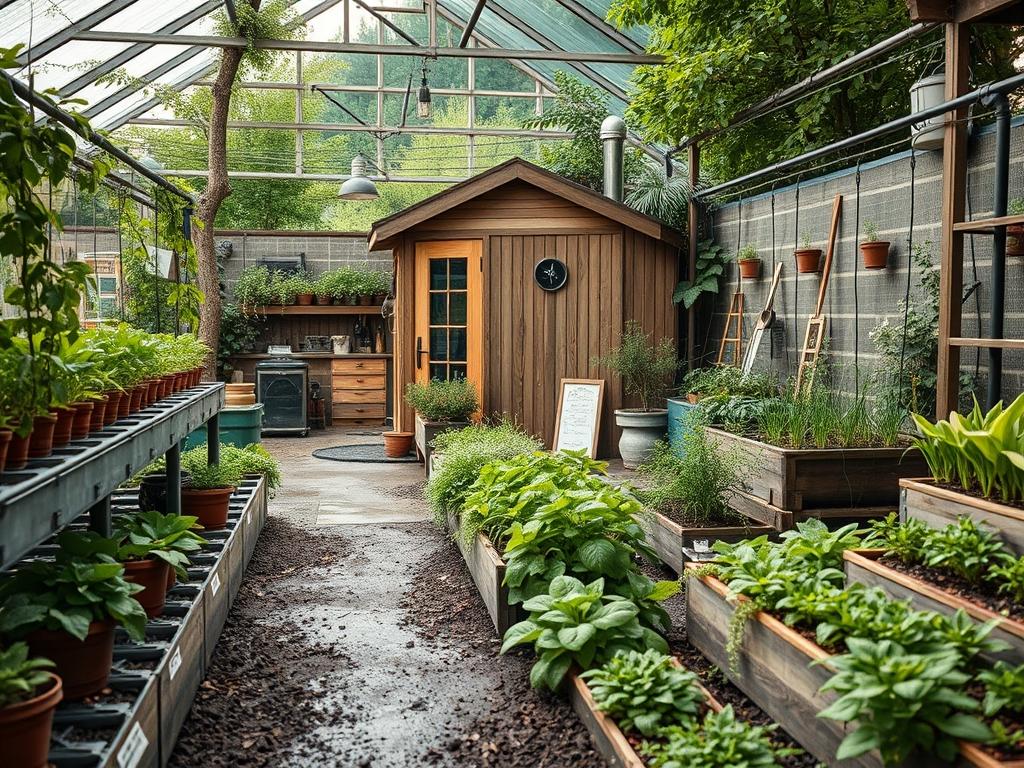
Integrating a backyard smokehouse design into a cohesive landscape requires a delicate balance of aesthetics, safety, and airflow management. Unlike a simple outdoor grill, a smokehouse is a permanent architectural feature that dictates the surrounding environment’s utility for years to come. Designers must prioritize prevailing wind patterns to ensure that smoke does not infiltrate the primary living quarters or settle into low velocity pockets of the garden. A well planned smokehouse serves as a functional anchor, providing a destination for social gatherings while enhancing the property’s overall market value. When we approach these projects, we look beyond the structure itself to the topography, existing vegetation, and the tactile materials that will ground the building in its natural context.
The challenge of placing a smokehouse often lies in its demand for clearance and ventilation. It cannot simply be tucked into a corner without considering how fire risk and heat will affect nearby structures. High quality landscaping creates a buffer zone, utilizing noncombustible materials like Stone Pavers, Crushed Granite, or Concrete Slabs to define the footprint. This design choice prevents accidental fire spread and offers a stable, level surface for the heavy masonry often required for thermal mass. Curb appeal is also a significant factor; a standalone smokehouse can look disjointed if not tied into the existing garden through matching stonework or complementary plant palettes. By treating the smokehouse as a focal point rather than an afterthought, we transform a utility structure into a refined element of outdoor living.
Landscape Design Principles
Symmetry and visual balance are the hallmarks of a professional backyard smokehouse design. If the smokehouse is a heavy, vertical structure made of Brick or Stone, it needs a surrounding landscape that can hold its own weight. We often utilize the principle of elevation layers to create interest. For instance, placing the smokehouse on a slightly raised platform, reinforced by a low Retaining Wall, provides a clear sense of purpose and separation from the lawn. This elevation also assists with drainage, ensuring that moisture does not wick into the wood or masonry base during the wet season.
Walkways are another critical design element. A path of Flagstone or Stepping Stones should lead directly from the kitchen or patio to the smoking area. These paths should be at least 36 Inches wide to allow for easy transport of wood, large trays of meat, and cleaning supplies. Beyond functionality, these walkways create a visual line that draws the eye toward the structure. Visual balance is achieved by framing the smokehouse with vertical interest, such as tall grasses or slim evergreens, which soften the hard edges of the building without obstructing the necessary airflow.
Irrigation planning is frequently overlooked in smokehouse zones. Because the heat from constant smoking can dry out the surrounding soil faster than usual, we recommend a secondary zone of Drip Irrigation for plants in the immediate vicinity. This targeted approach ensures that the vegetation remains lush and fire resistant without overwatering the area where the operator needs to stand. Furthermore, focal points should be established through lighting. Using low voltage LED Path Lights or upward facing Spotlights on nearby trees ensures the smokehouse remains accessible and safe for overnight smoking sessions, which are common for brisket or pork shoulders.
Plant and Material Selection
| Plant Type | Sun Exposure | Soil Needs | Water Demand | Growth Speed | Maintenance Level |
| :— | :— | :— | :— | :— | :— |
| Eastern Red Cedar | Full Sun | Adaptive/Well-Drained | Low | Moderate | Low |
| Rosemary | Full Sun | Sandy/Loamy | Very Low | Fast | Pruning Only |
| Dwarf Boxwood | Partial Shade | Rich/Moist | Moderate | Slow | High (Shaping) |
| Creeping Thyme | Full Sun | Gritty/Dry | Low | Fast | Minimal |
| Japanese Yew | Full Shade | Heavy/Loam | Moderate | Slow | Low |
| Switchgrass | Full Sun | Any | Low | Very Fast | Yearly Cutback |
Implementation Strategy
The first step in any implementation is the grading of the site. You must ensure that the ground slopes away from the smokehouse at a rate of at least 1 Inch per every 10 Feet. This prevents water from pooling at the base, which can lead to rot in wooden structures or cracking in masonry foundations. Once the grade is established, the footprint is excavated to a depth of roughly 6 Inches to accommodate a sub base of 3/4 Inch Minus Crushed Rock. This base is compacted using a Plate Compactor to provide a rigid foundation that resists shifting during seasonal freeze-thaw cycles.
When the hardscape is in place, edging becomes the next priority. We use Steel Edging or Batten Strips to create a crisp border between the gravel or paver area and the organic garden beds. This prevents grass from encroaching on the smokehouse and keeps the Cedar Mulch or Wood Chips neatly contained. For the planting beds, we recommend a mulch depth of at least 3 Inches to retain moisture and suppress weeds.
Finally, consider the drainage for the entire zone. If the smokehouse is located at the bottom of a slope, a French Drain may be necessary to intercept runoff and redirect it to a lower point on the property. This ensures the smoking area remains dry and usable even after heavy rain. Hardscaping should always be finished with a Polymeric Sand in the joints of pavers to prevent weed growth and provide a semi-flexible bond that can move with the earth.
Common Landscaping Failures
The most frequent error in backyard smokehouse design is poor drainage management. When water is allowed to sit against the foundation, it can lead to frost heave, where the ground expands and pushes the structure upward, causing structural cracks. Another common mistake is root overcrowding. Planting large canopy trees like Oak or Maple too close to the smokehouse will eventually lead to root systems infiltrating the foundation or branches sagging into the chimney’s path, creating a significant fire hazard.
Improper spacing of garden elements can also lead to air stagnation. If you surround the smokehouse with a dense wall of tall shrubs without leaving gaps for cross ventilation, the smoke will not disperse efficiently. This can make the area uncomfortable for the cook and may leave soot deposits on your prize plants. Soil compaction is another silent killer; heavy foot traffic around the smoker during construction can crush the pore spaces in the soil, suffocating the roots of existing trees. Always use Plywood Sheets to protect the ground when moving heavy materials during the build.
Seasonal Maintenance
Spring maintenance should focus on inspection and clearing. Check the Retaining Walls for any signs of movement and clear any debris that accumulated in the Drainage Pipes over winter. This is also the time to apply a new layer of Hardwood Mulch and prune any winter kill from your Rosemary or Boxwood hedges. As the ground thaws, ensure the Irrigation System is pressurized and checked for leaks that may have occurred during the freeze.
In the summer, the primary goal is moisture management. The heat from both the sun and the smokehouse will stress the nearby landscape. Deep watering in the early morning is essential for high demand plants like Japanese Yew. During autumn, leaf removal is paramount. Dry leaves are a fuel source; allowing them to pile up against a smokehouse is a major safety risk. Clear all gutters on nearby buildings and cut back any Switchgrass that has become brittle and dry. In the winter, focus on protecting the structure from moisture. If the smokehouse is not in use, cover the chimney to prevent snow from entering the firebox, and avoid using salt on pavers nearby, as it can damage the stone and leach into the soil, harming your plants.
Professional Landscaping FAQ
How far should a smokehouse be from the house?
A minimum distance of 10 Feet to 15 Feet is recommended. This distance protects your home from smoke odors and reduces fire risks while remaining close enough for convenient food transport between your kitchen and the backyard smokehouse design.
What is the best ground cover for a smoking area?
Crushed Pea Gravel or Decomposed Granite are excellent choices. These materials are noncombustible, offer excellent drainage, and provide a stable surface that can withstand the high foot traffic associated with long-duration meat smoking and wood storage.
Can I plant trees near my smokehouse?
Yes, but choose species with non-invasive roots and high branching habits. Avoid placing trees directly downwind where smoke can damage foliage. Maintain at least 10 Feet of vertical clearance between the chimney top and any overhanging tree limbs.
How do I prevent my smokehouse from sinking?
Always install a compacted sub-base of Road Base or Gravel at least 4 Inches to 6 Inches deep. For heavier masonry designs, a poured Concrete Footing extending below the frost line is essential to prevent settling and structural cracking.
Do I need an irrigation zone for the smokehouse area?
While the structure itself needs to stay dry, the surrounding plants benefit from a dedicated Drip Line. The ambient heat from the smoking process increases evaporation, so targeted watering ensures your landscape remains healthy without creating muddy conditions.