
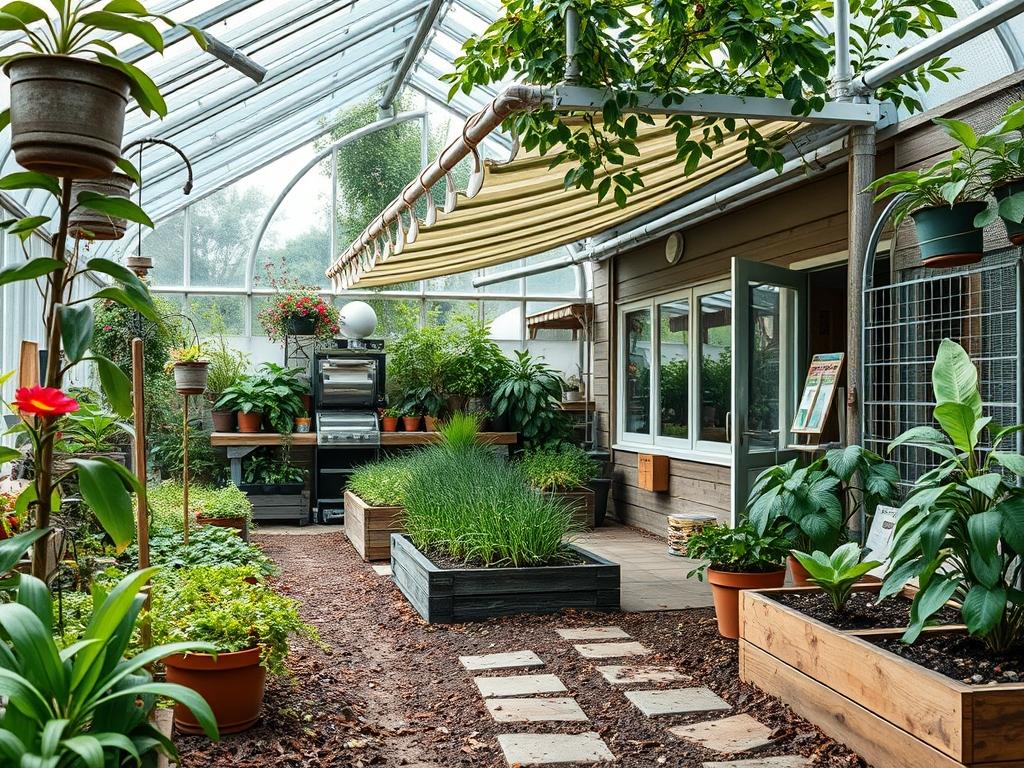
Modern landscapes require a delicate balance between permanent structural elements and living organic systems. When integrating Backyard Awning Motorization, the goal is to enhance the utility of the space without compromising the aesthetic flow of the garden. These automated systems provide immediate relief from solar radiation, creating a controlled microclimate that benefits both the occupants and specific shade-tolerant flora. By incorporating smart technology into the architectural envelope of the yard, homeowners can navigate fluctuating weather patterns with the touch of a button; this allows for a more spontaneous use of the outdoor environment regardless of the midday heat or light rain showers. The challenge often lies in making these mechanical additions feel like a natural extension of the home rather than a bulky afterthought. Professional planning ensures that the transition between the hardscape of the patio and the softscape of the lawn remains seamless and visually appealing.
Climate considerations play a pivotal role in the selection of any automated enclosure. In regions with high winds, sensors are a mandatory component of a motorized system. These sensors detect gusts and automatically retract the fabric into a protective Aluminum Cassette to prevent structural damage. From a curb appeal perspective, a well-integrated awning serves as a visual anchor. It defines the outdoor living room, offering a sense of enclosure and privacy that traditional open patios lack. This structural definition allows the landscape architect to design “layers” of vegetation that frame the view from the patio, using the awning’s horizontal line to contrast with the vertical growth of nearby trees and shrubs.
Landscape Design Principles
Symmetry and balance are the foundations of a successful backyard layout. When a motorized awning is installed, it becomes a dominant focal point because of its scale and movement. To maintain visual harmony, the surrounding garden should utilize repeating patterns and complementary colors. If the awning fabric is a neutral charcoal, incorporating Slate Pavers or Blue Fescue in the garden beds can create a cohesive color palette. Symmetry does not always mean a mirror image; it can mean balancing the visual weight of the awning on one side of a house with a dense grouping of Evergreen Shrubs or a large Ornamental Boulder on the other.
Elevation layers are equally important for depth. An awning provides a ceiling, so the ground plane must work harder to provide interest. Designers often use Retaining Walls made of Natural Limestone to create tiered planting beds that lead the eye down from the house toward the lawn. This layering prevents the backyard from feeling flat or utilitarian. Furthermore, walkways should be wide enough, typically at least 48 inches, to allow two people to walk side by side. These paths should curve gently to soften the rigid lines of the automated awning structure, guiding guests through the space and toward secondary focal points like a water feature or a fire pit.
Irrigation planning must account for the “shadow effect” of the awning. Areas directly beneath the fabric will receive significantly less natural rainfall, creating a dry microclimate. To solve this, a dedicated Drip Irrigation System should be installed in the planters located on the patio or near the house foundation. This ensures that the plants remain hydrated even when the awning is extended for long periods. Visual balance is finally achieved by ensuring that the height of the awning at its peak is proportional to the height of the eaves and the surrounding tree canopy.
Plant and Material Selection
Selecting the right materials for a motorized outdoor space involves balancing durability with aesthetics. For the hardscape, Non-Slip Porcelain Pavers or Sandblasted Granite are excellent choices because they resist temperature fluctuations and stay cool under the shade of the awning. The plants selected should be chosen based on their proximity to the motorized structure and their ability to handle the shifting light patterns created by the retractable canopy.
| Plant Type | Sun Exposure | Soil Needs | Water Demand | Growth Speed | Maintenance Level |
| :— | :— | :— | :— | :— | :— |
| Hosta ‘Empress Wu’ | Partial to Full Shade | Rich, Organic | Moderate to High | Medium | Low |
| Japanese Forest Grass | Shade | Moist, Well-drained | Moderate | Slow | Low |
| Boxwood ‘Green Velvet’| Full Sun to Shade | Well-drained, Loamy | Moderate | Slow | Moderate |
| Hydrangea Macrophylla | Morning Sun/Shade | Rich, Moist | High | Fast | Moderate |
| Dwarf Fountain Grass | Full Sun | Adaptable | Low | Medium | Low |
| Heuchera (Coral Bells) | Partial Shade | Well-drained | Moderate | Medium | Low |
Implementation Strategy
The first step in garden layout planning involves precise Site Grading. The ground must slope away from the house foundation at a rate of at least 2 percent to ensure that water runoff from the awning does not pool near the building or the motor housing. Before laying any Paver Stones, a base of 6 inches of Compactible Gravel and 1 inch of Bedding Sand must be established. This creates a stable surface that will not shift or heave during freeze-thaw cycles, protecting the alignment of the awning’s mounting brackets.
Once the hardscape is in place, define the garden beds using Steel Edging or Brick Pavers to create crisp lines. When planting, the Mulch Depth should be maintained at a consistent 2 to 3 inches to retain moisture and suppress weeds. For drainage, consider installing a French Drain along the perimeter of the patio. This system consists of a perforated pipe buried in a trench filled with River Rock. It collects excess water from the awning and redirects it to a rain garden or a lower point in the yard. Finally, the electrical components for the Backyard Awning Motorization should be housed in Weatherproof Conduit and buried at a depth mandated by local building codes, usually between 18 and 24 inches, to protect them from garden tools and rot.
Common Landscaping Failures
One of the most frequent mistakes is failing to account for the weight of rain on the awning fabric. If the pitch is not set correctly, water can “pool” in the middle, putting immense strain on the Electric Motor and potentially causing a collapse. This sudden discharge of water can also erode the soil in the garden beds below, exposing roots and creating muddy patches. Proper drainage planning is the only way to mitigate this risk.
Another common failure is root overcrowding. Many homeowners plant fast-growing privacy trees too close to the house or the patio. Over time, these roots can lift Concrete Slabs and interfere with the electrical lines powering the awning. Improper spacing also leads to poor air circulation, which invites fungal diseases like Powdery Mildew to flourish in the shaded areas under the awning. Furthermore, soil compaction is a silent killer in many backyards. If the soil was not properly aerated after heavy construction equipment was used, the plants will struggle to establish deep root systems; this results in stunted growth and increased susceptibility to drought.
Seasonal Maintenance
Spring is the time for a full system diagnostic. Clean the awning fabric with a Soft Bristle Brush and mild soap to remove winter debris. Lubricate any moving joints and test the Remote Control and sensors. In the garden, this is the window for applying a Slow-Release Fertilizer and pruning any winter-damaged branches on your Evergreen Shrubs.
During the summer, the primary focus is water management. With the awning extended frequently, check the soil moisture levels in the rain-shadow areas daily. Adjust your Irrigation Controller for the high heat. Autumn requires the removal of leaves from both the awning tracks and the garden beds. If leaves are left to rot on the awning fabric, they can cause permanent staining and mold. This is also the best time to plant Spring-Flowering Bulbs and add a fresh layer of Organic Compost to the beds.
In winter, the motorized awning should be fully retracted during snowstorms. Heavy snow loads can exceed the weight capacity of the arms and the motor. If your area experiences extreme cold, ensure the power to the unit is protected. Garden maintenance in winter is minimal, but you should still check that Drainage Grates are clear of ice and debris to prevent flooding during a mid-winter thaw.
Professional Landscaping FAQ
How does outdoor motorization affect property value?
Automated features are highly sought after in modern real estate. They signal a high-end, turnkey outdoor living space. This functionality increases the usable square footage of the home, which directly correlates to a higher market valuation and faster resale potential.
Can I install a motorized awning on a DIY basis?
While possible, it is not recommended for most homeowners. Professional installation ensures that the mounting brackets are secured into the structural studs of the home. It also ensures that the electrical wiring meets safety codes and integrates correctly with the sensors.
What is the best way to hide the motor and wiring?
A landscape architect will often hide the motor within an Aluminum Cassette that matches the home’s trim. Wiring can be concealed behind siding or run through internal walls; for detached structures, it should be buried in PVC Conduit.
How long do motorized awning fabrics typically last?
High-quality acrylic fabrics generally last between 10 and 15 years with proper care. Motorized systems actually extend the life of the fabric by ensuring it is retracted during harsh weather, preventing the stretching and tearing common with manual units.
Do motorized awnings require a lot of electricity?
No, they are remarkably efficient. The motor only pulls significant power during the few seconds it takes to extend or retract the arms. Most units can run on a standard 15-amp or 20-amp outdoor circuit without any issues.