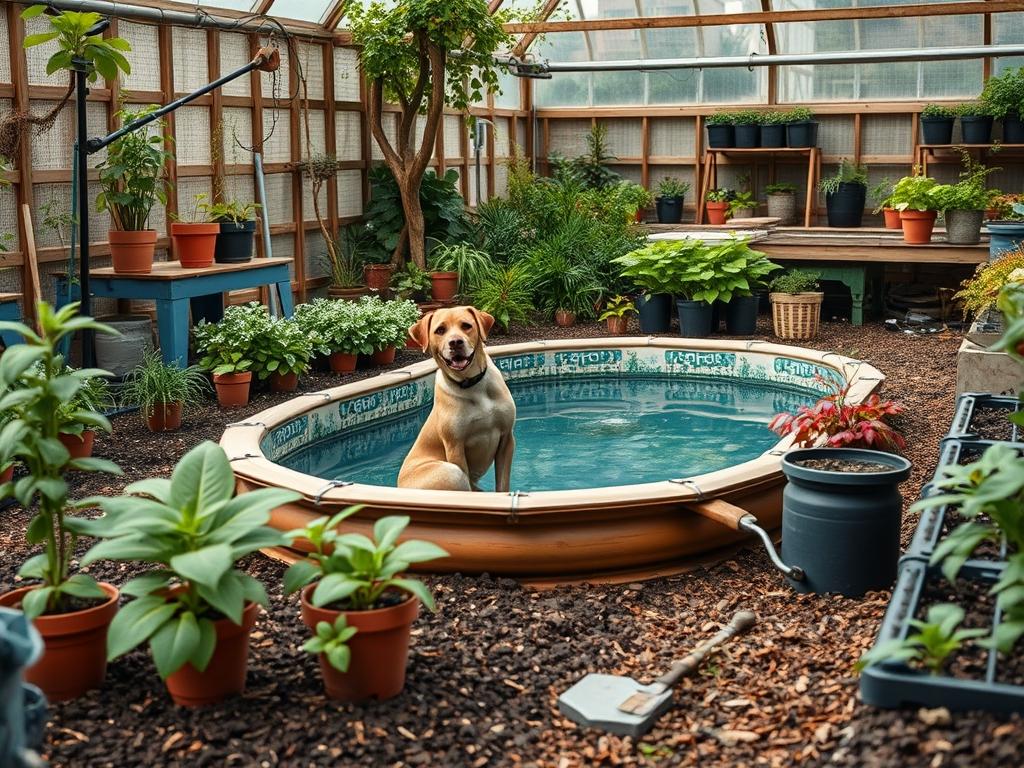
Integrating a water feature specifically designed for canine use requires a sophisticated balance between aesthetic appeal and rigorous structural logic. In the realm of high end residential landscaping, Backyard Dog Pool Safety is not merely a matter of supervised play, but a comprehensive design challenge involving grading, material resilience, and hydrodynamic management. A well planned aquatic zone for pets must harmonize with the existing topography while addressing the harsh realities of increased moisture, chemical exposure, and high impact physical activity. The primary goal is to create a seamless transition between the manicured lawn and the splash zone, ensuring that the pool remains a focal point of the garden rather than an eyesore or a safety hazard. This involves a deep understanding of how water interacts with different soil types and how the inclusion of a pool affects the microclimate of the immediate area. By prioritizing functional drainage and durable hardscaping, homeowners can maintain curb appeal while providing a secure environment for their animals.
Landscape Design Principles
Effective landscape design for a pet friendly pool area centers on the concept of controlled movement and visual cues. Symmetry plays a vital role in grounding the pool within the backyard. By aligning the pool with a primary architectural axis of the home, you create a sense of intentionality. Focal points, such as a stone fountain or a specimen tree located at a safe distance from the splash radius, draw the eye away from utility equipment like pumps and filters. Elevation layers are equally critical: utilizing retaining walls can help delineate the pool area from the rest of the garden, preventing dogs from sprinting blindly into the water from higher ground.
Walkways should be designed using non slip materials such as textured concrete or flamed granite. These paths serve a dual purpose: they guide the dog toward the shallow entry point and provide a “drying zone” where paws can shed excess water before reaching the main house. Visual balance is achieved by surrounding the hardscape with “soft” elements, though these must be strategically placed. For example, using a retaining wall built to a height of 18 inches can serve as both a physical barrier and an informal seating area for owners, blending utility with comfort. Irrigation planning must also be adjusted; the areas immediately adjacent to the pool often receive significant “overspray,” meaning your automated drip irrigation schedule should be reduced in these zones to prevent soil saturation and root rot.
Plant and Material Selection
Choosing the right flora for a dog pool environment requires plants that can withstand occasional splashes of chlorinated or salt water while resisting the physical trampling of an excited pet. Below is a selection of resilient species suitable for these high traffic zones.
| Plant Type | Sun Exposure | Soil Needs | Water Demand | Growth Speed | Maintenance Level |
| :—: | :—: | :—: | :—: | :—: | :—: |
| Boxwood | Full Sun to Part Shade | Well-Drained | Moderate | Slow | Low (requires shaping) |
| Daylily | Full Sun | Adaptable/Loam | Low | Fast | Minimal |
| Zebra Grass | Full Sun | Moist/Rich | Moderate | Moderate | Annual Prune |
| Creeping Thyme | Full Sun | Sandy/Poor | Low | Moderate | Very Low |
| Lavender | Full Sun | Well-Drained/Gritty | Low | Moderate | Deadheading |
| Dwarf Palmetto | Part Shade to Full Sun | Moist to Wet | High | Slow | Low |
In addition to plant life, material selection for the pool surround is paramount. Avoid using small pea gravel which can get stuck in paws or be easily kicked into the pool skimmer. Instead, opt for larger river rocks or flagstone with a minimum thickness of 2 inches. These materials provide stability and are less likely to migrate during heavy activity.
Implementation Strategy
The transition from a conceptual design to a physical installation begins with rigorous site preparation. First, the area must be professionally graded. A skid steer or a hand rake should be used to ensure the ground slopes away from the pool at a minimum of 2 percent. This prevents nitrogen heavy runoff from the lawn, often contaminated with dog urine or fertilizers, from entering the pool water. Next, install a high quality landscaping fabric beneath any hardscaping to suppress weeds and provide an extra layer of soil stabilization.
Once the grade is set, focus on edging. Use heavy duty steel edging or poured concrete curbs to create a definitive boundary between the pool deck and the garden beds. This prevents wood mulch from washing into the water, which can clog the filtration system and alter the pH balance. For the mulch itself, select hardwood nuggets or shredded cedar at a depth of 3 inches. These materials are heavy enough to stay in place but soft enough to be gentle on canine joints.
Drainage is the final, most crucial step of implementation. Install a French drain system consisting of perforated PVC pipe and 1 inch clean gravel around the perimeter of the pool deck. This system captures “splash out” water and redirects it to a designated dry well or utility area, keeping the surrounding plant roots from becoming waterlogged. Ensuring the pool is integrated with a proper sump pump if it is a permanent in ground model will assist in seasonal water management.
Common Landscaping Failures
The most frequent failure in pet oriented landscaping is improper drainage management. When water pools near the edge of a paver patio, it undermines the base layer, leading to shifting stones and tripping hazards for both dogs and humans. Another common mistake is root overcrowding. Homeowners often plant large trees too close to the pool to provide shade, forgetting that roots follow the path of least resistance and can eventually crack the pool shell or lift concrete slabs.
Soil compaction is another silent killer of backyard aesthetics. High traffic from dogs creates “desire lines” where the grass dies and the soil becomes as hard as rock. This compaction prevents air and water from reaching plant roots. To mitigate this, incorporate organic compost into the soil before planting and use aeration tools annually. Furthermore, irrigation inefficiencies often occur when homeowners fail to account for the pool as a heat sink. The area immediately around a pool can be several degrees warmer than the rest of the yard, leading to “flash drying” of plants if the sprinkler heads are not positioned to compensate for the microclimate.
Seasonal Maintenance
Maintaining Backyard Dog Pool Safety requires a calendar based approach to garden care. In the Spring, the focus should be on refreshing the “buffer zones.” Add a fresh layer of organic mulch to replace what was lost during the winter and check the integrity of all edging. This is also the time to test your irrigation system for leaks that may have formed during the freeze thaw cycle.
During the Summer, the priority shifts to hydration and cooling. Use a pressure washer on a low setting to clean the pool surround and remove any algae buildup that could cause a dog to slip. Check your native plants for signs of salt or chlorine stress, indicated by browning leaf tips, and give them a deep “flush” with fresh water if necessary.
Autumn is the season for leaf management. Deciduous trees can drop a massive amount of organic debris into the pool, which can stain the liner and overload the skimmer basket. Use a leaf blower and fine mesh nets daily to keep the area clear. Prune back any overhanging branches of Zebra Grass or Daylilies that have finished their bloom cycle.
In Winter, if the pool is being decommissioned for the season, ensure the cover is secured with heavy duty water bags or tension springs. Avoid using de-icing salts near the pool area, as these chemicals are corrosive to pool equipment and toxic to dog paws; substitute with sand or birdseed for traction instead.
Professional Landscaping FAQ
How do I prevent my dog from tracking mulch into the pool?
Install a 3 foot wide transition zone of large river rocks or flagstone between the mulched beds and the pool edge. Use steel edging to keep the mulch contained within its designated borders during heavy rain or activity.
What is the best ground cover for high traffic dog areas?
Creeping Thyme is an excellent choice as it is resilient, low growing, and non toxic. Alternatively, a high quality synthetic turf with a perforated backing for drainage can withstand constant running while remaining easy to clean and sanitize.
How deep should my irrigation lines be buried near a pool?
Main lines should be buried at least 12 to 18 inches deep to avoid damage from heavy foot traffic or future landscaping adjustments. Ensure all PVC piping near the pool is rated for high pressure to prevent underground leaks.
Can I use cocoa mulch around my dog’s pool?
No. Cocoa mulch contains theobromine, which is toxic to dogs if ingested. Stick to cedar mulch or pine bark, which are safer alternatives. These woods also offer natural insect repellent properties, helping to keep the pool area pest free.
How do I manage the pH of my soil near a saltwater pool?
Salt spray can increase soil salinity and alter pH levels. Periodically apply agricultural gypsum to help flush salts through the soil. Incorporating organic compost annually also buffers the soil, protecting plant roots from chemical fluctuations.