
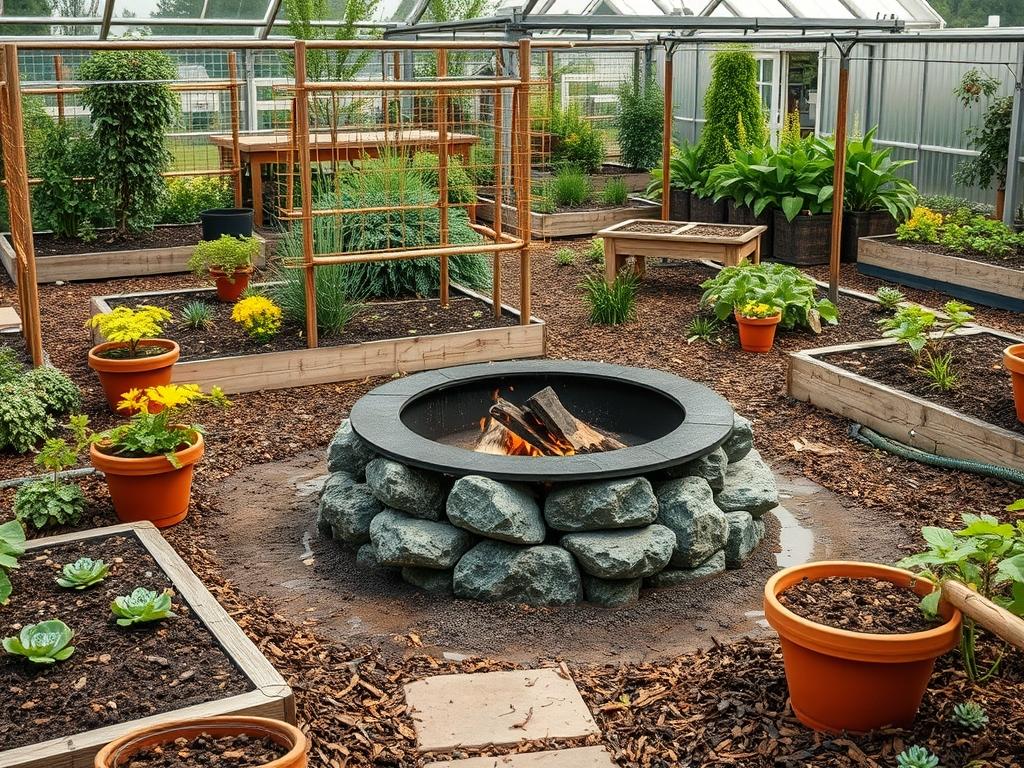
Integrating a fire feature into a residential landscape requires more than just placing a stone ring in the center of a lawn. As a senior landscape architect, I view the fire pit as the primary anchor for outdoor social interaction, a structural element that demands rigorous planning regarding both aesthetics and durability. The implementation of high-quality Backyard Fire Pit Covers is not merely a secondary thought; it is a critical component of weatherproofing that protects your investment from the corrosive effects of precipitation, UV degradation, and intrusive debris. When we design these spaces, we consider the transition from the interior home environment to the rugged outdoors. A fire pit that sits uncovered during a heavy rainstorm becomes a basin for stagnant water, leading to the rapid deterioration of Steel Burner Rings and the discoloration of Natural Flagstone. By selecting a cover that mirrors the sleek lines of modern architecture, a homeowner ensures that the backyard remains functional throughout the four seasons while maintaining a high level of curb appeal even when the fire is not lit.
The landscape’s overall functionality depends on how the fire pit interacts with the local microclimate. Areas prone to high winds require recessed pits or heavy Stainless Steel Lids, whereas regions with high humidity necessitate breathable Polyester Fabric Covers to prevent the growth of mold and mildew on the inner surfaces. The design should prioritize a seamless flow between the hardscape and the surrounding softscape. We often use Structural Soil beneath the surrounding patio to support the weight of heavy masonry while allowing for the necessary gas line installations and drainage pipes. Selecting the right materials and protective layers ensures that the fire pit remains a clean, focal point of the garden rather than an eyesore filled with ash and rainwater.
Landscape Design Principles
Modern landscaping thrives on the balance between geometric symmetry and organic texture. The fire pit serves as a radial focal point, meaning all other elements, including walkways and seating walls, should originate or revolve around this center. To achieve visual balance, we employ the concept of elevation layers. A sunken fire pit creates an intimate, sheltered atmosphere, while a raised pit offers a communal, campfire feel. In both scenarios, the use of Permeable Pavers or Decomposed Granite provides a stable, fire-resistant floor that facilitates drainage.
Symmetry is often achieved through the placement of Permanent Bench Seating or Curved Retaining Walls that echo the shape of the fire pit itself. To avoid a monolithic appearance, designers must integrate varied heights. For instance, a 18 inch high seating wall provides a comfortable resting place, while taller 36 inch privacy screens or hedges create a sense of enclosure. Walking paths should be at least 4 feet wide to ensure safe passage, leading the eye directly toward the warmth of the hearth. The use of Backyard Fire Pit Covers during the off-season maintains this symmetry by hiding the charred interior, replacing it with a flat, clean surface that complements the surrounding Basalt or Travertine stone.
Plant and Material Selection
Choosing the right flora and hardscape materials is essential for a low-maintenance, fire-safe environment. We prioritize plants that are drought-tolerant and slow-growing to prevent overhanging branches from becoming fire hazards. The following table outlines optimal choices for modern fire pit surrounds.
| Plant Type | Sun Exposure | Soil Needs | Water Demand | Growth Speed | Maintenance Level |
| :— | :— | :— | :— | :— | :— |
| Blue Fescue | Full Sun | Well-drained | Low | Moderate | Low |
| English Lavender | Full Sun | Sandy/Gritty | Low | Moderate | Medium |
| Dwarf Boxwood | Partial Shade | Loamy | Medium | Slow | Low |
| Red Yucca | Full Sun | Rocky/Lean | Very Low | Slow | Very Low |
| Japanese Maple | Dappled Sun | Rich/Acidic | Medium | Slow | Medium |
| Creeping Thyme | Full Sun | Poor/Average | Low | Fast | Low |
For materials, we recommend Type N Masonry Mortar for stone joints and Schedule 40 PVC for drainage lines. When selecting Backyard Fire Pit Covers, look for 600D Oxford Cloth or Anodized Aluminum to ensure the cover can withstand high temperatures and heavy snow loads without warping or tearing.
Implementation Strategy
The construction process begins with a precise site survey. We use a Laser Level to determine the grading requirements, ensuring a 2 percent slope away from the fire pit to prevent water from pooling at the base. Once the excavation is complete, a layer of Crushed Limestone or 3/4 inch Clean Stone is compacted to a depth of 6 inches to provide a solid foundation for the masonry.
During the hardscaping phase, we install Steel Edging to create a crisp border between the stone patio and the garden beds. If the design includes a gas fire pit, the Gas Line must be buried at least 18 inches deep, depending on local building codes. After the stone is set and the grout has cured, we apply a Silane-Siloxane Sealer to protect the masonry from oil stains and water penetration. The final step involves applying 3 inches of Hardwood Mulch to the surrounding plant beds, which helps retain moisture and regulate soil temperature for the new plantings. Finally, fitting the custom Backyard Fire Pit Covers ensures that the brand-new burner components are protected from the moment the project is handed over to the homeowner.
Common Landscaping Failures
The most frequent mistake in backyard planning is the neglect of subsurface drainage. Without a dedicated drain or a base of Volcanic Rock, a fire pit can quickly turn into a stagnant pond, attracting mosquitoes and damaging the internal igniters. Another common failure is root overcrowding. Planting a Leyland Cypress or an Eastern White Pine too close to the heat source ignores the eventual diameter of the tree’s root system, which can uplift heavy Concrete Pavers within five years.
Improper spacing between the fire pit and flammable structures is a significant safety oversight. A minimum safety radius of 10 feet from any wood siding, pergolas, or overhanging trees is standard practice. Furthermore, soil compaction from high foot traffic around the pit can suffocate the roots of nearby plants. To mitigate this, we recommend using Aerate Tools annually and incorporating Organic Compost into the soil to maintain porosity. Relying on cheap, non-breathable plastic covers is also a mistake; these trap moisture inside the pit, causing metal components to rust faster than if they were left uncovered. Always insist on high-quality Backyard Fire Pit Covers with built-in air vents.
Seasonal Maintenance
A landscape is a living entity that requires specific care as the seasons shift. In the spring, the focus should be on cleaning the burner and checking the gas connections with a Soapy Water Solution to identify leaks. Prune any winter-damaged branches from your Boxwood or Lavender to encourage new growth. As summer arrives, adjust your Irrigation Controller to account for higher evaporation rates, and ensure the mulch layer is still at a 3 inch depth to protect roots from the heat.
Autumn is the season for debris management. Falling leaves can accumulate inside an uncovered fire pit, creating a soggy mess that is difficult to clean. This is when Backyard Fire Pit Covers become most useful. Ensure the cover is securely fastened using Tie-down Straps to prevent it from blowing away during fall storms. In winter, clearing snow off the cover is vital; while the covers are weatherproof, the weight of heavy, wet snow can stress the frame of the fire pit or the cover material itself. Applying a Silicone Water-Repellent Spray to fabric covers once a year will extend their lifespan significantly.
Professional Landscaping FAQ
How do I choose the right size for a fire pit cover?
Measure the outer diameter or the width and length of your fire pit, including any stone lips. Select a cover that is 1 to 2 inches larger than these dimensions to allow for easy installation and removal without snagging.
Can I put a cover on a fire pit while it is still warm?
No, you should never place Backyard Fire Pit Covers on a hot unit. Wait until the embers are completely extinguished and the stone or metal is cool to the touch, typically several hours after the fire has been put out.
What is the best material for a fire pit area floor?
Decomposed Granite or Fire-Rated Pavers are excellent choices. They provide a stable surface for seating, manage drainage effectively, and are non-combustible, making them much safer than wood decking or traditional grass for the immediate surrounding area.
How often should I replace my fire pit cover?
High-quality Vinyl or Heavy-Duty Polyester covers usually last between 3 to 5 years, depending on your climate. Replace the cover if you notice significant thinning, cracks, or if the waterproof lining on the underside begins to flake off.
Does a fire pit need a permanent drainage hole?
Yes, every outdoor fire pit should have a Drainage Hole at the base of the insert. This prevents water from collecting and damaging the burner or the masonry structure, ensuring your unit remains functional for many years.