
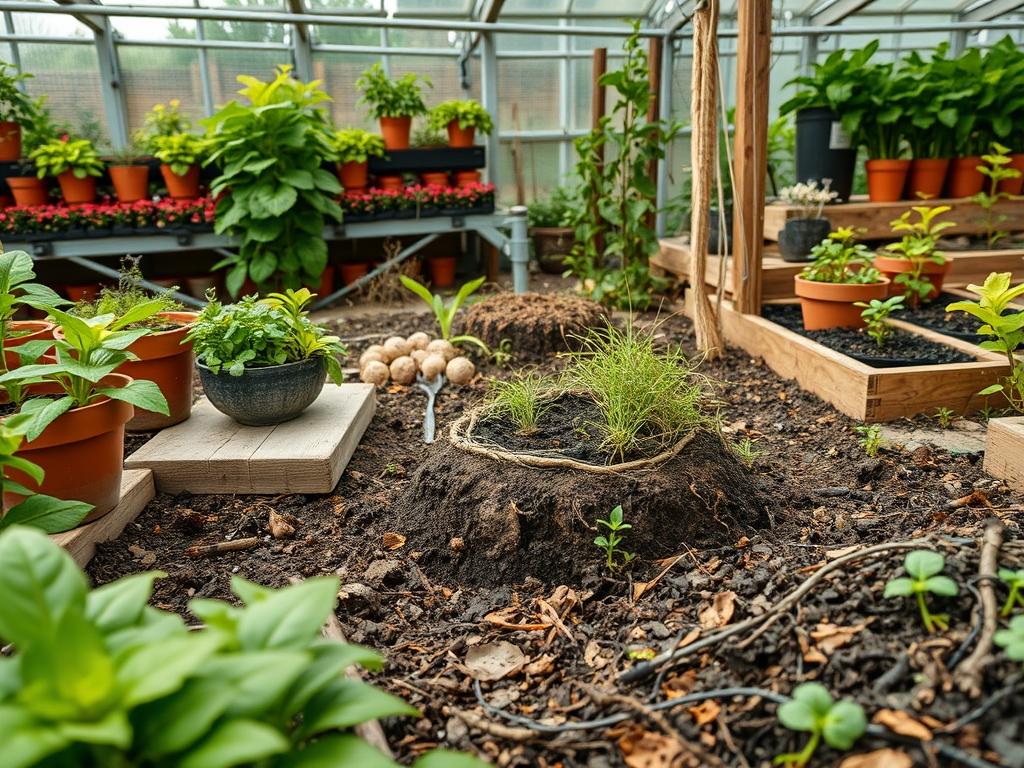
Residential landscape architecture has historically prioritized aesthetic uniformity and rigid control over the natural environment, often at the expense of local biodiversity. However, a significant shift is occurring as homeowners and developers recognize that high-end outdoor design must serve a functional ecological purpose. Integrating Backyard Native Bee Nesting into a professional landscape plan does not require sacrificing curb appeal or sophisticated style. Instead, it involves a strategic approach to soil management, plant selection, and structural hardscaping that mimics natural cycles. Most homeowners are surprised to learn that approximately seventy percent of native bee species nest in the ground, while the remaining thirty percent occupy wood cavities or hollow plant stems. This biological reality fundamentally changes how we approach grading, mulch application, and seasonal cleanup. By treating the backyard as a managed ecosystem rather than a static portrait, we can achieve high-performance landscapes that support pollinator populations while enhancing the property value and visual complexity of the site.
Successfully merging habit development with traditional design requires a keen understanding of microclimates and site conditions. When planning for Backyard Native Bee Nesting, a consultant must analyze solar orientation, wind patterns, and existing drainage infrastructure. Bees are ectothermic, meaning they rely on external heat sources to maintain the energy levels required for flight and foraging. Consequently, nesting sites should be located in well-drained, sun-exposed areas that are protected from prevailing winds. This aligns perfectly with the design of southern-facing retaining walls or dry-stack stone features, which provide both thermal mass and structural nesting opportunities. By layering these functional needs with modern architectural aesthetics, we create outdoor environments that are both resilient and biologically vibrant.
Landscape Design Principles
The architecture of a bee-friendly landscape rests on the principles of structural diversity and elevation layers. A flat, mono-culture lawn offers zero utility for nesting or foraging. To correct this, we utilize a tiered planting strategy that includes a canopy, understory, shrub layer, and herbaceous groundcover. This verticality provides windbreaks for delicate flyers and creates a sense of enclosure for human inhabitants. High-contrast textures, such as the fine foliage of native grasses paired with the broad leaves of flowering perennials, create focal points that draw the eye through the space.
Visual balance is maintained by framing “wild” habitat areas with formal elements. For example, a neatly manicured gravel walkway or a precise steel edging strip can contain a dense, floral hedge, signaling that the habitat is intentional rather than neglected. This “cues to care” approach ensures that Backyard Native Bee Nesting areas contribute to, rather than detract from, the property’s curb appeal. Symmetry can also be utilized in the placement of flowering trees or structured shrubs at entry points, while the internal garden beds adopt a more organic, flowing geometry.
Irrigation planning is perhaps the most critical design principle for ground-nesting bees. Over-saturation of the soil can lead to fungal growth or drown developing larvae. We design irrigation zones that separate high-water ornamental areas from low-water native habitat zones. Using drip irrigation instead of high-pressure overhead rotors prevents soil erosion and keeps the nesting surface stable. Furthermore, elevation changes created through gentle berms or terracing help manage runoff, ensuring that nesting sites remain dry even during heavy rain events.
Plant and Material Selection
The following selections represent high-performance species and materials that satisfy both aesthetic requirements and the biological needs of Backyard Native Bee Nesting.
| Plant Type | Sun Exposure | Soil Needs | Water Demand | Growth Speed | Maintenance Level |
| :— | :— | :— | :— | :— | :— |
| Purple Coneflower | Full Sun | Well-drained | Low | Moderate | Low |
| New England Aster | Full Sun | Humus-rich | Moderate | Fast | Moderate |
| Serviceberry Shrub | Partial Shade | Loam/Clay | Moderate | Slow | Low |
| Little Bluestem Grass | Full Sun | Poor/Sandy | Very Low | Moderate | Low |
| Wild Bergamot | Full Sun | Diverse | Moderate | Fast | Moderate |
| Oak Leaf Hydrangea | Shade/Part Sun | Moist/Loam | Moderate | Moderate | Moderate |
| Hollow-stemmed Elderberry | Full Sun | Moist | Moderate | Fast | High |
In addition to flora, the selection of hardscape materials defines the success of the habitat. We prioritize natural stone, untreated cedar, and decomposed granite. Avoid using chemically treated lumber or non-porous landscape fabrics near nesting zones, as these can introduce toxins or physically block bees from accessing the earth and wood they require for their lifecycle.
Implementation Strategy
The implementation of a professional habitat garden begins with a comprehensive site assessment. We start by analyzing the soil texture and pH levels to ensure the selected native plants will thrive without heavy fertilization. Once the site is prepared, the first step is grading. We create subtle slopes (usually a two percent grade) to ensure water directs away from the foundation and the primary bee nesting zones. Proper drainage prevents the soil from becoming anaerobic, which is vital for ground-nesting species.
Next, we establish the hardscape. If a homeowner desires a patio or walkway, we recommend using permeable pavers or dry-laid flagstone with wide gaps. These gaps, when filled with a mix of sand and native soil, provide clandestine nesting sites. Retaining walls should be constructed using the dry-stack method or feature integrated “weep holes” that are kept clear of mortar to allow cavity-nesters access to the interior spaces.
When it comes to planting, we utilize a “grid and fill” method. Larger woody shrubs and trees are placed first to establish the site’s bones and provide necessary shade. Then, herbaceous perennials are clustered in drifts of three to five plants of the same species. This increases foraging efficiency for bees. Finally, we address the ground. Traditional landscaping calls for a three-inch layer of decorative bark mulch across all beds. To support Backyard Native Bee Nesting, we modify this. We leave designated patches of bare, sunny soil, approximately five to ten square feet in size, near the base of floral clusters. Where mulch is used, we recommend a thin layer of leaf mold or pine straw which allows bees to penetrate the soil more easily.
Common Landscaping Failures
The most frequent failure in amateur habitat design is the overuse of mulch. While mulch suppresses weeds and retains moisture, a thick carpet of wood chips acts as a physical barrier for ground-nesting bees. If they cannot reach the mineral soil, they cannot dig their tunnels. We solve this by using clumping grasses to cover the ground naturally, leaving small gaps of earth between the plants.
Another common mistake is improper drainage. Many landscapes suffer from “bathtub effect,” where water pools in heavy clay soils. If a bee nests in a low-spot that lacks proper grading, the first heavy rain will destroy the entire colony. A professional installation should always include a drainage plan, potentially utilizing French drains or dry creek beds to move excess water to a designated rain garden.
Soil compaction is a third major hurdle. During construction, heavy machinery frequently compresses the soil, destroying its natural porosity. Ground-nesting bees require friable, loose soil to excavate their nests. We mitigate this by using soil augers and tilling only where necessary, followed by the addition of organic matter to restore soil structure. Finally, “over-cleaning” in the autumn is a stylistic habit that kills cavity-nesting bees. Removing every dead stem or fallen leaf removes the very materials bees use for winter insulation.
Seasonal Maintenance
Landscape management must evolve with the seasons to protect the inhabitants of the Backyard Native Bee Nesting site. In the Spring, we delay the “clean up” until temperatures consistently stay above fifty degrees Fahrenheit for several days. This allows bees that have overwintered in hollow stems or underground to emerge safely. We perform light pruning on woody perennials, but we avoid cutting them all the way to the ground.
During the Summer, maintenance focuses on irrigation management and deadheading. We monitor the drip system to ensure no leaks are flooding nesting sites. Deadheading spent blooms can encourage a second flush of flowers, extending the foraging window. However, we leave some seed heads for birds and to allow the plant to harden off for the coming months.
Autumn is the time for “soft landing” preparation. Instead of bagging leaves and sending them to a landfill, we rake them into the base of garden beds. This creates a natural mulch that protects the soil and provides habitat for queen bees looking to hibernate. We also refrain from cutting back hollow-stemmed plants like Sunflowers or Joe Pye Weed, as these will serve as winter apartments for cavity-nesters.
In Winter, the landscape is left largely undisturbed. The structural elements, like the retaining walls and dried seed pods, provide winter interest and a “sculptural” aesthetic. This is a period of dormancy where the primary goal is protecting the site from salt runoff or heavy foot traffic that could compact the frozen ground.
Professional Landscaping FAQ
How much bare soil is required for bee nesting?
For effective Backyard Native Bee Nesting, aim for several patches of bare, unmulched soil. Each patch should be at least two to four square feet. These should be located in sunny, well-drained spots near your flowering shrubs or perennials.
Will bee-friendly landscaping increase the risk of stings?
Native solitary bees are exceptionally docile and rarely sting unless physically crushed. They do not have a hive to defend like honeybees. Establishing nesting sites creates a safe environment where bees are focused on foraging, not human interaction or aggression.
Can I use pesticides in a bee habitat?
Pesticides, especially systemic neonicotinoids, are detrimental to bee health. A professional habitat landscape utilizes Integrated Pest Management (IPM). This focuses on plant health, beneficial insects, and manual removal of pests to maintain a balanced, chemical-free ecosystem for your native pollinators.
Does a bee habitat require more maintenance than a lawn?
Initially, habitat installation requires careful planning and weeding. Once established, native plantings require significantly less water, mowing, and fertilization than traditional turf. The maintenance shift moves from labor-intensive mowing to seasonal pruning and monitoring, ultimately reducing long-term landscape costs.
What is the best mulch for native bee gardens?
Avoid thick, chunky wood mulch or landscape fabric. Instead, use thin layers of leaf mulch, pine straw, or composted organic matter. These materials provide essential nutrients and moisture retention while remaining light enough for ground-nesting bees to navigate through to the soil.