
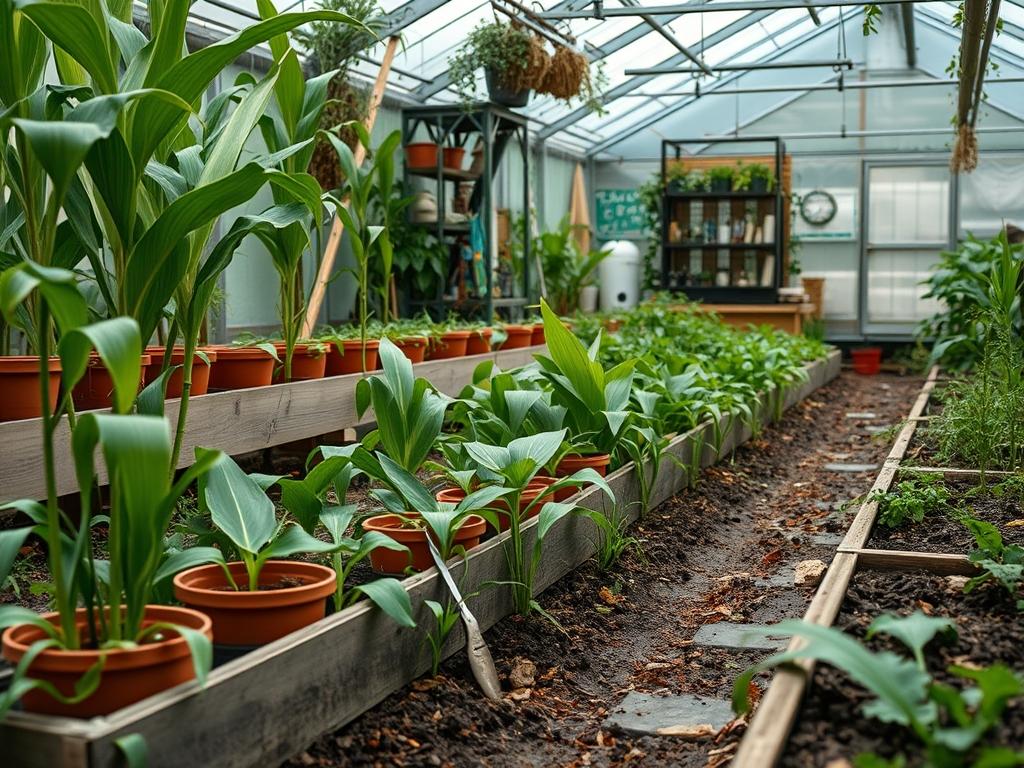
Incorporating a productive harvest into a residential landscape requires a shift in perspective from traditional agricultural row-cropping to intentional garden design. Most homeowners view corn as an industrial crop that lacks the aesthetic refinement necessary for a curated backyard. However, when managed with professional landscape architecture principles, a corn patch provides striking vertical interest, rhythmic texture, and a sense of seasonal transition that few ornamental grasses can replicate. The primary challenge involves balancing the heavy nutrient and water demands of the crop with the desire for a clean, attractive outdoor living space. Modern backyard corn patch basics suggest that success is not merely found in the yield, but in how the planting area integrates with existing hardscaping, walkways, and sightlines. By treating the corn as a living screen or a temporary privacy hedge, you can enhance the functional privacy of a patio while producing a high-quality harvest.
Climate plays a decisive role in the placement and performance of corn within a landscape. This species relies heavily on heat units, making southern exposures and wind-protected zones ideal for placement. From a curb appeal standpoint, a poorly planned patch can look ragged by late August; therefore, the designer must account for the life cycle of the plant. Utilizing ornamental borders or high-quality Cedar Edging can provide a structural frame that keeps the patch looking intentional even as the stalks begin to dry. Functionality is also a key concern, as the layout must allow for easy access for maintenance while ensuring that the tall stalks do not cast unwanted shadows over sun-loving perennials or poolside lounge areas.
Landscape Design Principles
When designing the layout for a corn patch, symmetry and block planting are more than just aesthetic choices; they are functional requirements for wind pollination. Unlike many garden vegetables, corn does not rely on bees. Instead, it requires the movement of air to transfer pollen from the tassels to the silks. For this reason, professional designers recommend planting in square or rectangular blocks rather than long, single rows. A block of Sweet Corn measuring 4 feet by 8 feet creates a dense visual mass that feels like a deliberate focal point rather than a stray agricultural experiment. This density also improves the efficiency of pollination, ensuring full ears.
Elevation layers are another critical consideration in the backyard corn patch basics. Because corn grows to a height of 6 feet to 8 feet, it serves as the back layer of a tiered garden bed. To create a balanced visual transition, designers often employ a tiered strategy. The tall corn acts as the backdrop, while mid-sized plants like Zucchini or Peppers occupy the middle ground. Low-growing trailers or herbs can then finish the front edge. This layering masks the lower stalks of the corn, which can sometimes become yellowed or unsightly toward the end of the season. Furthermore, the use of Drip Irrigation systems hidden beneath a layer of Hardwood Mulch ensures that the patch remains hydrated without the messy spray of overhead sprinklers, which can interfere with the pollination process.
Plant and Material Selection
Selecting the right materials and cultivars is essential for maintaining a clean, professional appearance in the backyard.
| Plant or Material | Sun Exposure | Soil Needs | Water Demand | Growth Speed | Maintenance |
| :— | :— | :— | :— | :— | :— |
| Sweet Corn | Full Sun | High Nitrogen | High | Very Fast | Moderate |
| Pole Beans | Full Sun | Well Drained | Medium | Fast | Low |
| Winter Squash | Full Sun | Rich Loam | Medium | Fast | Low |
| Hardwood Mulch | N/A | Weed Barrier | N/A | N/A | Minimal |
| Drip Tubing | N/A | N/A | N/A | N/A | Low |
| Cedar Edging | N/A | N/A | N/A | N/A | Low |
Implementation Strategy
The implementation of a corn patch begins with significant site preparation and grading. To ensure longevity and prevent water stagnation, the area should be graded to a 2 percent slope away from the home’s foundation or any existing structures. Once the grade is established, the use of Metal Edging or Stone Retaining Walls can define the boundary of the patch, preventing the corn’s aggressive root system from encroaching on manicured lawns. Soil quality is the foundation of the operation. Corn is a heavy feeder, requiring the incorporation of at least 3 inches of high-quality Compost or aged manure into the top 8 inches of soil before planting.
After the soil is prepared, layout the irrigation lines. A grid of 1/2-inch Polyethylene Tubing with emitters spaced every 12 inches provides consistent moisture directly to the root zones. This method reduces water waste and keeps the foliage dry, which minimizes the risk of fungal diseases. When planting, space the seeds approximately 8 inches to 12 inches apart within the rows, with the rows themselves spaced 24 inches to 30 inches apart. Once the seedlings reach 6 inches in height, apply a 2-inch layer of Pine Bark Mulch to regulate soil temperature and suppress weeds. This hardscaping approach to the garden bed ensures that the corn patch remains a tidy architectural feature rather than a chaotic patch of weeds.
Common Landscaping Failures
The most common failure in managing a corn patch is improper drainage. Because corn requires frequent watering, many beginners inadvertently create a boggy environment that leads to root rot. If the soil is heavy clay, the corn will suffer from stunted growth and yellowing leaves. Professional consultants often recommend the use of Perlite or Coarse Sand to improve soil porosity in these instances. Another frequent mistake is poor spacing. If the stalks are too close together, they will compete for light and nutrients, leading to spindly growth and small, poorly filled ears.
Soil compaction is another significant hurdle. Heavy foot traffic around the patch during the growing season can compress the soil, preventing air from reaching the roots. To counter this, formalize the access points with Pea Gravel or Flagstone Walkways. This clearly defines where it is safe to walk and where the soil must remain undisturbed. Finally, a lack of professional-grade irrigation planning often results in uneven growth. Hand-watering is rarely sufficient for corn; a dedicated Irrigation Controller and automated valves are recommended to maintain the consistent moisture levels necessary for the ears to sweeten and fill properly.
Seasonal Maintenance
Seasonal management is what separates a successful landscape feature from a gardening failure. In the spring, the focus is on soil warming and nutrient loading. Using a Power Tiller, incorporate a balanced 10-10-10 Fertilizer to prep the area for the high-octane growth ahead. Once the danger of frost has passed and the soil reached 60 degrees Fahrenheit, planting can begin. Early spring is also the time to inspect the Drip Irrigation system for leaks or clogged emitters.
Summer demands a focus on nitrogen management and hydration. As the stalks enter their rapid growth phase, a side-dressing of Nitrogen rich fertilizer will help maintain the deep green color of the leaves. This is the period where the corn acts as its best as a privacy screen. Autumn is the time for harvesting and transition. Once the husks turn brown and the silks are dry, the crop is ready. After the harvest, many homeowners choose to leave the stalks for a few weeks as part of a fall decor theme; however, they should be cut down and removed before winter to prevent pests like Corn Borers from overwintering in the debris. Winter maintenance involves adding a fresh layer of Compost to the bed and securing the site against erosion with a Winter Cover Crop such as Cereal Rye.
Professional Landscaping FAQ
How much sun does a corn patch actually need?
For optimal growth and ear development, a corn patch requires a minimum of 8 hours of direct, unobstructed sunlight daily. Shaded areas will result in weak stalks and failed pollination, significantly diminishing the landscape’s aesthetic and functional value.
Can I grow corn in raised garden beds?
Yes, raised beds made of Corrugated Metal or Redwood are excellent for corn. They provide superior drainage and allow for easier soil amendment. Ensure the bed is at least 12 inches deep to accommodate the root systems.
What is the best way to prevent wind damage?
In high-wind areas, site your corn patch near a Privacy Fence or use a Stake and String support system. Planting in dense blocks also allows the plants to support one another, reducing the likelihood of lodging during summer storms.
How do I manage pests without using harsh chemicals?
Incorporate Integrated Pest Management by attracting beneficial insects with companion plantings like Marigolds. Furthermore, applying a drop of Mineral Oil to the silks once they appear can help prevent damage from the common corn earworm.
Does backyard corn require a specific soil pH?
Corn performs best in slightly acidic to neutral soil, specifically a pH between 6.0 and 6.8. Use a Soil Test Kit annually to monitor these levels and adjust the chemistry using Lime or Elemental Sulfur as needed.