
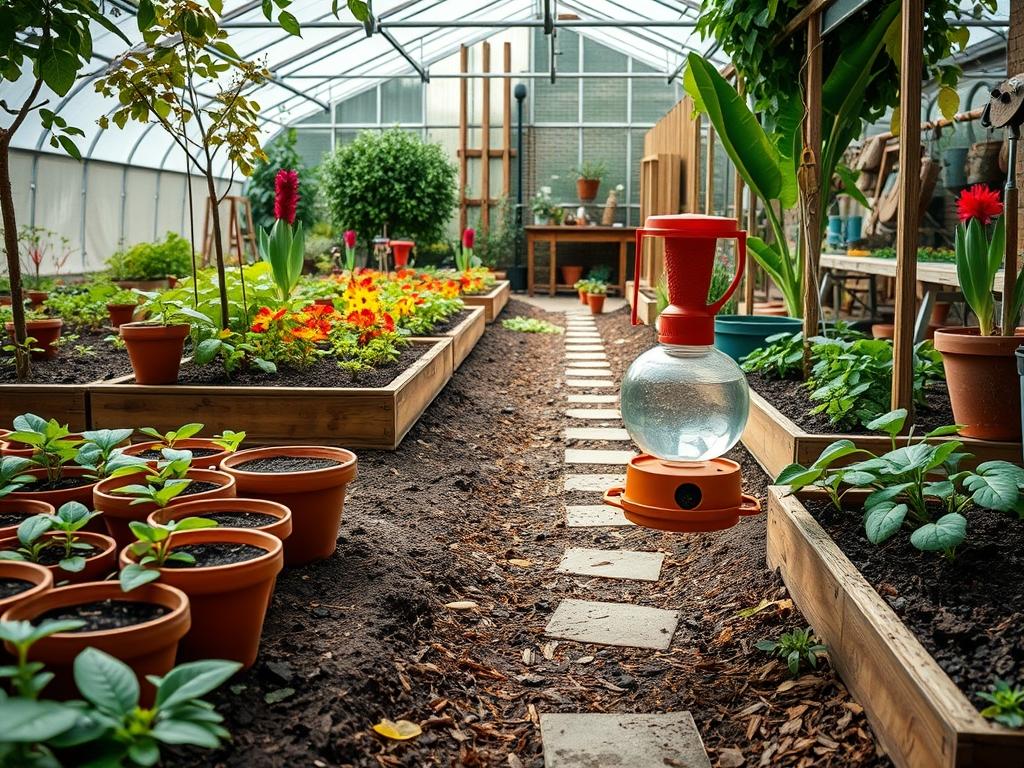
Creating a high end outdoor environment requires a delicate balance between aesthetic appeal and ecological functionality. When a homeowner requests the integration of Backyard Hummingbird Waterers into their landscape, they are asking for more than a simple plastic accessory. They are looking for a curated experience that invites mobile, vibrant life into their immediate vicinity while maintaining the structural integrity of the garden design. The challenge for a landscape architect is to place these features in locations that meet the biological needs of the birds, such as protection from predators and heat, while ensuring the waterers do not detract from the visual flow of the property. Proper placement involves analyzing micro-climates, wind patterns, and the intersection of hardscaped living areas with softscaped perimeter plantings.
The climate of the region dictates much of the placement strategy. In warmer zones, nectar can ferment in a matter of hours if exposed to direct afternoon sun, creating a maintenance burden and a potential health risk for the birds. Conversely, in cooler temperate zones, the goal is often to capture enough thermal energy to keep the sugar solution from freezing during early spring arrivals. Achieving high curb appeal while managing these functional goals requires the architect to treat the waterer as a sculptural element within the garden. It must sit at the nexus of visibility and utility, acting as a focal point that draws the eye toward specific plantings without cluttering the spatial organization of the backyard.
Landscape Design Principles
Successful placement of Backyard Hummingbird Waterers relies on the principle of the visual axis. The architect must identify primary sightlines from interior windows, patios, and outdoor kitchens. A waterer should be positioned at an elevation that matches the natural eye level of a seated observer, typically between 4 feet and 6 feet above the finished grade. This elevation also serves a dual purpose by keeping the feeding station out of reach of domestic predators. Symmetry plays a role when waterers are used in pairs to flank a formal entryway or a stone fireplace, creating a sense of intentionality that avoids the cluttered look of haphazardly hung feeders.
Visual balance is achieved by layering heights within the garden beds. A waterer mounted on a shepherd’s hook or integrated into a custom iron trellis should be surrounded by mid-level shrubs and low-lying perennials. This creates a vertical gradient that mimics a forest edge, which is the natural habitat favored by most hummingbird species. To ensure long term functionality, irrigation planning is paramount. Waterers should not be placed directly under high pressure sprinkler heads, as the overspray can dilute the nectar or contaminate the feeding ports with recycled groundwater. Instead, they should be located in zones where drip irrigation maintains the surrounding foliage without interfering with the feeding station itself.
Walkways and circulation paths must also be considered. Placing a waterer too close to a high traffic path can startle the birds, leading to a low occupancy rate. The ideal distance is approximately 8 feet to 12 feet from primary walkways. This distance provides a clear view for the homeowner while offering the birds a necessary buffer of tranquility. If the landscape includes a water feature or a naturalistic pond, placing the waterer within the vicinity of the moving water can increase the attractiveness of the site, as hummingbirds are naturally drawn to the sound of splashing water for bathing and hydration.
Plant and Material Selection
The following table outlines the best plant species to pair with Backyard Hummingbird Waterers to create a cohesive and functional ecosystem.
| Plant Type | Sun Exposure | Soil Needs | Water Demand | Growth Speed | Maintenance Level |
| :— | :— | :— | :— | :— | :— |
| Salvia greggii | Full Sun | Well-drained | Low | Fast | Low |
| Monarda | Part Shade | Rich/Moist | Medium | Medium | Moderate |
| Campsis radicans | Full Sun | Adaptable | Low | Very Fast | High |
| Heuchera | Shade/Part Sun | Humus-rich | Medium | Slow | Low |
| Fuchsia | Shade | Moist/Cool | High | Medium | Moderate |
| Agastache | Full Sun | Sandy/Dry | Low | Fast | Low |
Implementation Strategy
The installation of a hummingbird station begins with proper site grading. The area directly beneath the waterer should be slightly sloped or amended with 3 inches of pea gravel or river rock to manage the inevitable drips of sugar water. This prevents the soil from becoming a sticky breeding ground for ants and wasps. Once the site is graded, the architect should specify the use of heavy-duty steel mounting hardware. A 1 inch diameter powder-coated steel pole provides much better stability than thin wire hooks, which can sway excessively in the wind and spill nectar onto the surrounding mulch.
When laying out the garden bed, use professional grade edging such as steel bender board or poured concrete curbing to define the space. This prevents turf grass from encroaching on the bird station. Inside the border, apply a layer of hardwood mulch at a depth of 2 inches to 4 inches. Avoid using dyed mulches that may contain chemicals harmful to avian respiratory systems. For a more permanent hardscaped look, the waterer can be integrated into a retaining wall or a raised planter box constructed from natural flagstone.
Drainage is another critical factor in the implementation phase. If the waterer is located near a patio, ensuring that the surrounding land falls away from the foundation at a rate of 2 percent or more will prevent nectar runoff from pooling near the home. In areas with heavy clay soil, a small French drain or a dry creek bed can be installed nearby to manage both rainwater and maintenance runoff. Finally, ensure that the waterer is positioned at least 15 feet away from large glass windows or use UV-reflective decals to prevent avian collisions, a common oversight in architectural planning.
Common Landscaping Failures
One of the most frequent mistakes in backyard planning is placing waterers in areas with poor air circulation. Stagnant air trapped in the corner of a L-shaped house or behind a dense evergreen hedge can lead to rapid mold growth inside the feeding reservoir. To avoid this, place the units in locations that receive a gentle cross-breeze. Another common failure is improper spacing between multiple Backyard Hummingbird Waterers. Hummingbirds are notoriously territorial; if two feeders are within the same line of sight, a single dominant bird may spend its energy chasing others away rather than feeding. It is more effective to place them around corners or on opposite sides of a privacy screen.
Soil compaction is often overlooked when homeowners frequently walk to a waterer to refill it. Over time, the foot traffic around a stationary pole will compress the soil, damaging the roots of nearby sensitive plants and reducing water infiltration. To combat this, architects should design a small stepping stone path using slate or limestone leading directly to the filling station. Additionally, placing waterers too close to low-hanging tree limbs provides easy access for squirrels and cats. A minimum clearance of 4 feet from any horizontal jumping surface is recommended to keep the birds safe from terrestrial predators.
Seasonal Maintenance
Landscape management is a year round commitment that changes with the seasons. In the spring, the focus should be on cleaning the mounting hardware and checking for structural integrity after winter storms. This is the time to apply a fresh 2 inch layer of mulch and ensure that the irrigation timers are set to support the early blooming nectar plants. As summer peak hits, the maintenance schedule must intensify. Backyard Hummingbird Waterers should be cleaned and refilled every 3 days to 5 days depending on the temperature. The surrounding plants may require liquid fertilization with a low-nitrogen organic tea to sustain their blooming cycles.
Autumn is the season for transition and preparation. As the hummingbirds prepare for migration, they require high calorie intake, so keeping the stations full and clean is vital. This is also the time to prune back any aggressive vines, such as Trumpet Vine, that may have started to overtake the feeding station. In the winter, if the property is in a region where some species over-winter, the use of a submersible heater or a heated bird bath nearby can provide much needed liquid water during freezes. For properties that go dormant, remove the waterers, scrub them with a 10 percent bleach solution, and store them in a dry location to prevent plastic degradation.
Professional Landscaping FAQ
What is the best height for a hummingbird waterer?
The optimal architectural height is between 5 feet and 6 feet. This elevation provides a clear line of sight for observers while protecting the birds from ground predators like cats and keeping the unit away from the reach of children.
How do I prevent ants from reaching the nectar?
Incorporate an ant moat filled with plain water at the top of the feeder. This creates a physical barrier that prevents crawling insects from contaminating the nectar without the need for harmful chemical pesticides or sticky barriers that ruin the aesthetic.
Can I hang waterers from my porch or pergola?
Yes, hanging them from a pergola or covered porch provides excellent shade, which slows nectar fermentation. Ensure they are hung at least 10 feet away from seating areas to minimize disturbances to the birds during their high energy feeding sessions.
What color should the surrounding landscape be?
Hummingbirds are naturally attracted to the color red, but your landscape does not have to be monochromatic. Use a mix of orange, pink, and purple flowering plants like Salvia to create a diverse color palette that signals a rich food source.
How often should the site drainage be checked?
Inspect the area beneath the waterer every 3 months. Look for signs of soil erosion or sticky residue. Refreshing the pea gravel or mulch seasonally ensures the site remains hygienic and does not attract unwanted pests like wasps or hornets.