
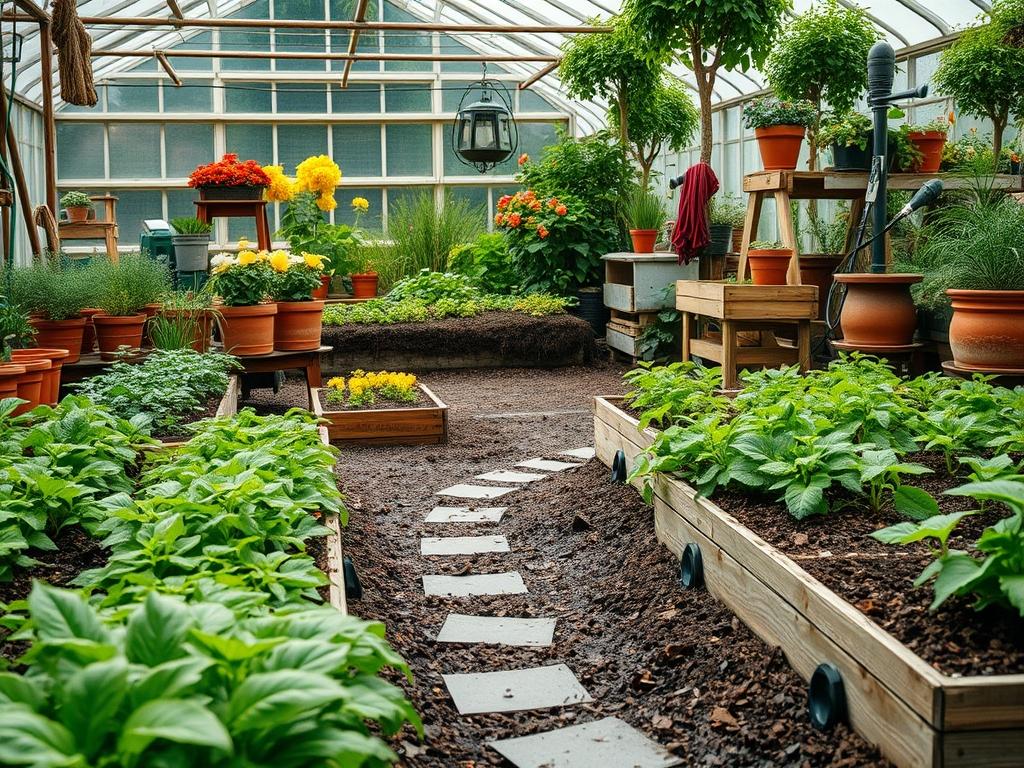
Creating a functional and aesthetic outdoor environment requires more than just a keen eye for color and texture; it demands a rigorous understanding of the biological and chemical interactions between landscaping materials and the inhabitants of the space. For homeowners with dogs or cats, the choice of ground cover is a pivotal decision that impacts both the health of the flora and the safety of the pets. While traditional landscaping often prioritizes cost or immediate visual impact, a professional approach integrates safety into the foundational design. Transitioning to specific materials, as outlined in these Backyard Pet-Safe Mulch Tips, ensures that your curb appeal does not come at the expense of veterinary emergencies. The modern backyard must serve as a multi-functional ecosystem where drainage, soil health, and pet safety coexist within a unified architectural vision. Integrating high-quality, non-toxic organic matter into your beds provides the necessary thermal regulation for root systems while preventing the accidental ingestion of harmful chemicals often found in dyed or treated wood products.
Landscape Design Principles
Effective landscape design is rooted in the strategic application of symmetry and focal points to guide the eye across various elevation layers. When planning a yard that incorporates Backyard Pet-Safe Mulch Tips, one must consider how the ground cover interacts with hardscaping elements and existing silhouettes. Symmetry provides a sense of formal order, which is particularly useful in front yard settings where curb appeal is paramount. In contrast, backyard environments often benefit from asymmetrical balance, utilizing clusters of native plants and varying heights to create a more natural, immersive experience. Focal points, such as a large ornamental tree or a custom stone fountain, serve as the anchor for the entire composition. Around these anchors, layers of vegetation should be installed with decreasing heights to provide a lush, tiered appearance.
Irrigation planning is perhaps the most critical technical component of any landscape architectural project. Without a properly designed sprinkler system or drip irrigation line, even the highest quality mulch will fail to protect the underlying soil. Professional designers often utilize pressure-compensating emitters to ensure even water distribution across varying elevations. Walkways should be clearly defined using pavers or flagstone to prevent pets from constantly disturbing the mulched zones. By creating designated paths, you minimize soil compaction and keep the pet-safe materials where they belong. Visual balance is achieved when the density of the plantings matches the scale of the open spaces. For large properties, using larger pine bark nuggets can provide a sense of proportion, while smaller shredded cedar is more appropriate for intimate garden beds or container groupings.
Plant and Material Selection
Selecting the right combination of flora and ground cover is essential for long-term sustainability and pet safety. The following table highlights several species that thrive in a well-managed landscape and are generally considered safe for domestic animals when paired with proper Backyard Pet-Safe Mulch Tips.
| Plant Type | Sun Exposure | Soil Needs | Water Demand | Growth Speed | Maintenance Level |
| :— | :— | :— | :— | :— | :— |
| Snapdragon | Full Sun | Well-drained | Moderate | Fast | Medium |
| Boston Fern | Partial Shade | Loamy/Moist | High | Medium | Low |
| Creeping Thyme | Full Sun | Sandy/Dry | Low | Moderate | Very Low |
| Spider Plant | Indirect Sun | All types | Moderate | Fast | Low |
| Purple Basil | Full Sun | Nutrient Rich | Moderate | Fast | Medium |
| Marigold | Full Sun | Well-drained | Low | Fast | Low |
| Camellia | Partial Shade | Acidic | Moderate | Slow | High |
When choosing materials, avoid cocoa bean hulls at all costs. While they offer a pleasant aroma and dark color, they contain theobromine, which is highly toxic to dogs. Instead, opt for hemlock, cedar, or pine products that have not been treated with synthetic dyes. Undyed wood chips or natural forest mulch provide a neutral aesthetic that complements almost any architectural style while remaining remarkably safe for curious pets.
Implementation Strategy
The process of installing a new landscape begins with thorough site preparation and grading. You must ensure that the subgrade is sloped away from the home foundation at a rate of at least 2 percent to facilitate proper drainage. Use a laser level for precision, or a simple string level for smaller residential plots. Once the grading is complete, the installation of edging materials like powder-coated steel or composite bender board is necessary to create a crisp boundary between turf and garden beds. This prevents the grass from encroaching on your pet-safe mulch and keeps the mulch from washing onto the lawn during heavy rains.
Before laying down your chosen mulch, consider the installation of a breathable geotextile fabric. This layer suppresses weed growth while allowing moisture and oxygen to reach the soil. When applying the mulch, aim for a consistent depth of 3 inches. Using a square-point shovel and a bow rake, spread the material evenly, making sure to avoid the “mulch volcano” effect. You should maintain a 6 inch clearance from the trunks of trees and the stems of shrubs to prevent moisture-induced bark rot. If your site has poor natural drainage, incorporate French drains or small swales lined with river rock before the final mulching stage. These elements act as an insurance policy against soil saturation during extreme weather events.
Common Landscaping Failures
One of the most frequent errors in residential landscaping is the neglect of proper drainage. When water pools in mulched areas, it creates a stagnant environment that facilitates fungal growth and root rot. Backyard Pet-Safe Mulch Tips always emphasize the importance of keeping the ground cover relatively dry and well-aerated. Another common failure is root overcrowding. Homeowners often buy plants based on their size at the nursery, failing to account for their mature width. In three to five years, these plants compete for nutrients and water, leading to a decline in overall plant health and an unkempt appearance.
Improper spacing and failing to account for soil compaction can also ruin an expensive landscape. High-traffic areas where pets run will naturally compact the soil, reducing the pore space needed for oxygen exchange. To combat this, professionals use core aerators twice a year to loosen the ground. Furthermore, irrigation inefficiencies, such as overwatering or poorly aimed heads, can lead to wasted water and the leaching of nutrients out of the root zone. Ensuring that your smart irrigation controller is calibrated for the specific needs of each zone will prevent these costly mistakes. Finally, the use of plastic sheeting instead of a permeable fabric is a major error; plastic traps gases and prevents the soil from “breathing,” eventually killing the beneficial microbes that sustain plant life.
Seasonal Maintenance
Maintaining a landscape is a year-round commitment that changes with the local climate. In the spring, your focus should be on cleanup and preparation. This involves removing any debris that accumulated over the winter, pruning dead branches with bypass loppers, and refreshing your mulch layer. Generally, a 1 inch top-off of fresh cedar mulch is sufficient to restore the color and protective qualities of the ground cover. This is also the ideal time to apply a slow-release fertilizer to support the new growth surge.
During the summer months, the priority shifts to hydration and pest management. Monitor your soil moisture levels using a digital probe. If the mulch feels excessively hot or dry, a light evening misting can help cool the root zones of sensitive plants. In the autumn, the primary task is the management of fallen leaves. Do not allow thick layers of leaves to sit on top of your pet-safe mulch for extended periods, as they can mat down and block airflow. Use a leaf blower or a soft-toothed rake to clear the beds. Finally, in the winter, the mulch serves as an essential insulator. Ensure that the 3 inch depth is maintained around the base of perennial plants to protect them from the freeze-thaw cycle. Winter is also the best time for structural pruning and planning any hardscaping additions for the following year.
Professional Landscaping FAQ
What is the safest mulch for dogs that chew?
Pine, cedar, and hemlock are the safest options. Avoid any products containing cocoa hulls or dyed wood, as these can contain toxins or sharp splinters. Always choose undyed, natural wood chips to ensure no chemicals are ingested by your pet.
How deep should I apply pet-safe mulch?
Maintain a depth of 2 to 3 inches. This thickness is ideal for moisture retention and weed suppression without suffocating the soil. Ensure you leave a 6 inch gap around the base of trees to prevent bark rot and pest infestations.
Can I use rubber mulch in a pet-friendly yard?
Rubber mulch is generally discouraged. It can reach high temperatures in the sun, potentially burning paws. If swallowed, the recycled rubber pieces can cause intestinal blockages or expose pets to residual chemicals from the original manufacturing process of the tires.
Does cedar mulch repel fleas and ticks?
Yes, cedar shavings contain natural oils like thujone that act as a mild deterrent for fleas, ticks, and certain moths. While it is not a substitute for veterinary-approved flea prevention, it provides an additional layer of organic defense in the landscape.
How often should I replace organic mulch?
Organic mulch should be refreshed every 12 to 18 months. As it decomposes, it improves soil structure by adding organic matter. Adding a 1 inch layer annually helps maintain consistent aesthetics and ensures the protective properties remain effective for your plants.