
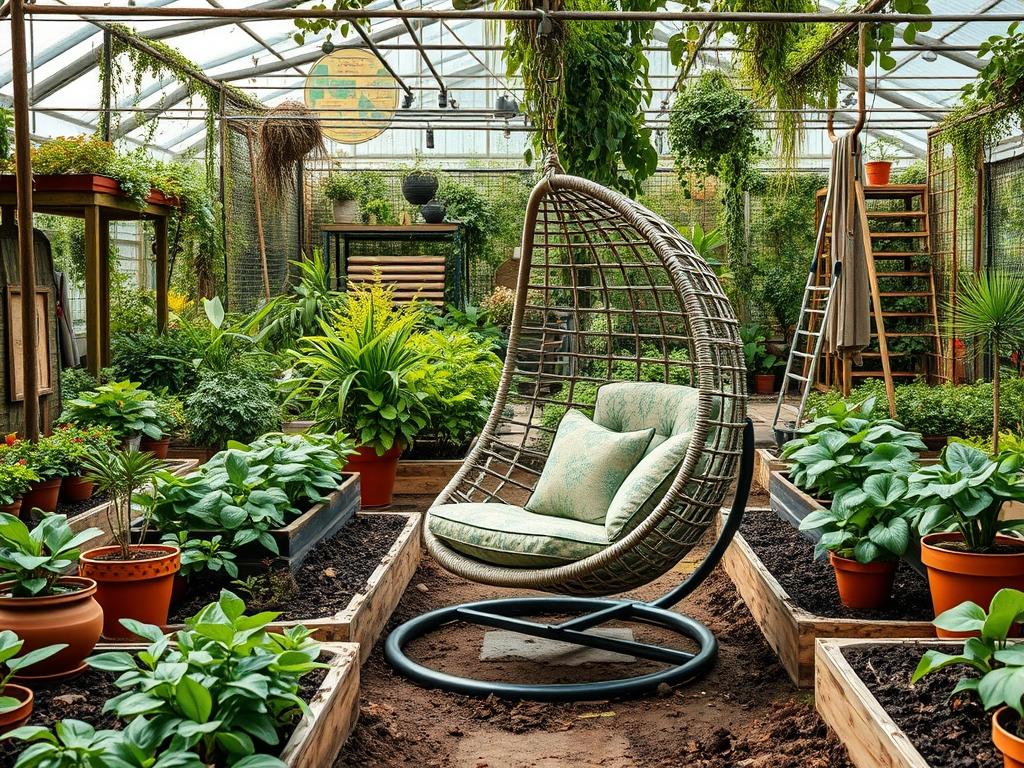
Integrating Backyard Hanging Pod Chairs into a modern residential landscape presents a unique design challenge that balances structural engineering with aesthetic fluidity. As a focal point, these suspended vessels demand more than a simple placement on a patio; they require a curated environment that considers spatial hierarchy, microclimates, and the functional flow of the outdoor room. When we approach garden planning for these structures, we must evaluate how the surrounding topography influences the user experience. A pod chair placed in a high-wind corridor without proper screening will remain unused, while one situated in a pocket of stagnant air without ventilation will feel oppressive during peak summer months. We must also address the impact on curb appeal. A poorly anchored or isolated chair can appear as an afterthought, cluttering the visual field. Instead, we aim to nestle these units into the landscape so they feel like an organic extension of the architecture. By utilizing principles of elevation and intentional pathways, we can transform a standalone piece of furniture into a destination that increases the overall value of the property.
Landscape Design Principles
Successful integration begins with the principle of focal points and sightlines. A hanging pod chair naturally draws the eye, so its placement must be intentional. We often use the rule of thirds to position the chair away from the center of the garden, creating a more dynamic and inviting composition. Symmetry can be employed by flanking a central pathway with two chairs, but more often, we seek visual balance through asymmetrical layering. This involves placing the chair against a backdrop of varying heights, such as a retaining wall or a cluster of evergreen shrubs, to ground the floating silhouette.
Elevation layers are critical for creating a sense of enclosure and privacy. By utilizing a slightly raised platform or a recessed garden “nook,” we define the pod chair zone as a distinct transition from the active lawn area to a passive relaxation area. Irrigation planning must be synchronized with this layout. We must ensure that the heavy traffic around the chair does not lead to soil compaction that could disrupt the root zones of nearby high-value specimens. Subsurface drip irrigation is preferred over overhead rotors in these zones to prevent the chair materials from constant moisture exposure, which can lead to mildew or structural degradation. Finally, the walkway leading to the chair should utilize materials that complement the chair frame, such as flagstone or decomposed granite, ensuring a seamless transition from the hardscape to the softscape.
Plant and Material Selection
The following table outlines high-performance selections that complement the aesthetics and environmental needs of a pod chair lounge area:
| Plant Type | Sun Exposure | Soil Needs | Water Demand | Growth Speed | Maintenance Level |
| :— | :— | :— | :— | :— | :— |
| Japanese Forest Grass | Part Shade | Rich, Loamy | Moderate | Slow | Low |
| Star Jasmine | Full Sun to Shade | Well-Drained | Moderate | Fast | Medium |
| Blue Fescue | Full Sun | Sandy, Lean | Low | Moderate | Low |
| Dwarf Hinoki Cypress | Full Sun to Part Shade | Moist, Acidic | Moderate | Very Slow | Low |
| New Zealand Flax | Full Sun | Versatile | Low | Moderate | Low |
| Lavender | Full Sun | Gritty, Alkaline | Very Low | Moderate | Medium |
Implementation Strategy
The implementation phase starts with a comprehensive site survey to assess the grading and drainage. Before any hardware is installed, the ground beneath the pod chair must be stabilized. If the chair uses a standalone frame, a level surface is mandatory. We recommend excavating the area to a depth of 4 inches and backfilling with crushed stone or 3/4-inch gravel to provide a solid, self-draining base. This prevents the frame from sinking into the turf or becoming lopsided over time. If the chair is to be suspended from a structural beam or a mature tree, a certified arborist or structural engineer must verify the load-bearing capacity. For tree-mounted pods, we use heavy-duty nylon straps rather than bolts to protect the cambium layer of the bark.
Once the base is set, we establish the edging. Using steel edging or paver restraints helps maintain a crisp line between the seating area and the surrounding planting beds. Within these beds, we apply a 3-inch layer of hardwood mulch to retain moisture and suppress weeds. For the floor of the pod area itself, consider using porous pavers or river rock to allow rainwater to infiltrate the soil directly. This manages runoff and keeps the area dry and usable shortly after a rain event. Irrigation lines should be routed behind the seating area to keep the 1/2-inch poly tubing hidden from view. Final styling involves the placement of low-voltage LED path lights to define the perimeter at night, ensuring safety and enhancing the evening ambiance.
Common Landscaping Failures
One of the most frequent mistakes in backyard pod chair placement is the neglect of drainage. When pod chairs are placed on lawn areas, the repetitive motion and weight of the user compact the soil. This creates a “bowl effect” where water collects, drowning the grass and creating a muddy mess. Without proper perforated PVC drainage pipes or a dedicated gravel pad, the area quickly becomes unsightly. Another common failure is improper spacing. Designers often forget to account for the “swing zone.” A pod chair needs at least 3 feet of clearance in all directions from walls, fences, and brittle plants to prevent damage to both the chair and the landscape.
Root overcrowding is another concern when planting around these features. Homeowners often plant aggressive vines too close to the chair base, leading to roots lifting the frame or interfering with the foundation. Furthermore, irrigation inefficiencies often arise when designers use standard spray heads around the chair. The water hits the hanging cushion or the synthetic wicker, causing premature wear and leaving the plants behind the chair parched. Always opt for targeted emitter nozzles that deliver water directly to the base of the surrounding flora.
Seasonal Maintenance
Seasonal management ensures both the landscape and the Backyard Hanging Pod Chairs remain in peak condition. During the spring, focus on the structural integrity of the chair and the health of the surrounding soil. Inspect all carabiners, springs, and swivel joints for rust. Apply a light coating of marine-grade grease to moving parts. For the plants, apply a balanced slow-release fertilizer and refresh the mulch levels to maintain the 3-inch depth.
In the summer, the priority shifts to hydration and UV protection. If the chair frame is metal, check for heat retention that might scorch nearby foliage. Increase the frequency of your drip irrigation during heatwaves, especially for container-bound plants near the chair. Autumn requires the removal of leaf litter from the pod itself and the surrounding gravel or deck. Decomposing leaves can stain many outdoor fabrics and provide a habitat for pests. During winter, it is professionally advised to remove the cushions and the pod itself, storing them in a dry environment. If the frame remains outdoors, cover it with a weatherproof vinyl tarp and ensures it is anchored against high winter winds to prevent it from becoming a projectile or damaging your hardscaping.
Professional Landscaping FAQ
What is the best ground cover under a pod chair?
Decomposed granite or pea gravel is ideal. These materials provide a stable, level surface for the stand while allowing for excellent drainage. They prevent the mud and compaction issues commonly associated with placing heavy furniture directly onto a lawn.
How do I prevent my pod chair from hitting plants?
Maintain a 48-inch clearance radius from the center of the chair. Choose low-profile plants like creeping thyme or mondo grass for the immediate understory. Use structural shrubs only outside of the maximum swing arc to ensure safety.
Can I hang a pod chair from a tree?
Yes, but only from a healthy, horizontal limb at least 8 inches in diameter. Always use tree-saver straps to prevent girdling. A professional arborist should inspect the tree to ensure it can handle the dynamic weight load.
How do I manage drainage in a small pod nook?
Incorporate a French drain or a small dry creek bed using river rocks. This directs excess water away from the seating area and into a lower point in the yard, preventing pooling around the frame or your feet.
What lighting is best for hanging chairs?
Use low-voltage LED uplights positioned at the base of nearby trees to create a soft glow. Avoid bright, direct spotlights. Solar-powered fairy lights wrapped carefully around the non-moving parts of the frame can also provide a gentle, functional ambiance.