
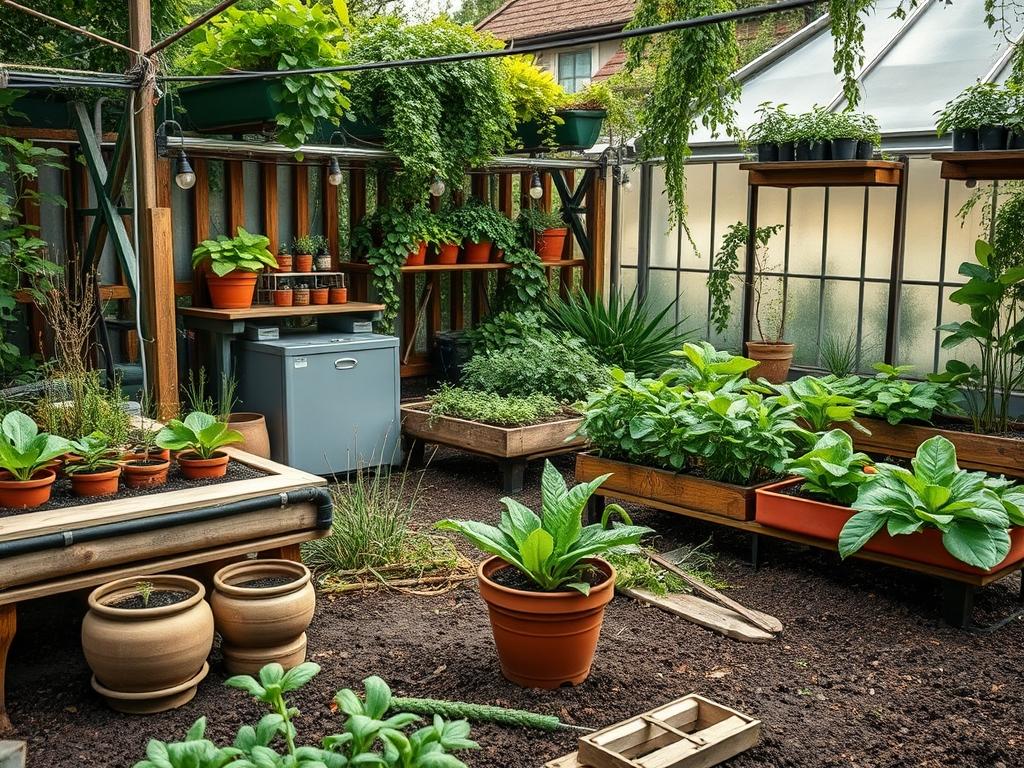
Integrating professional backyard bartending stations into a residential landscape requires a sophisticated understanding of spatial flow, material resilience, and site specific engineering. A bar is no longer just a standalone piece of furniture placed on a patio; it is an architectural anchor that must harmonize with the existing terrain and environmental conditions. When we approach an outdoor environment, we must consider the climate specific stressors such as ultraviolet degradation, freeze thaw cycles, and high humidity, all of which dictate the selection of Natural Stone, Stainless Steel, and Treated Hardwoods. Beyond mere utility, these stations act as a primary focal point that enhances curb appeal and increases the footprint of usable living space. A successful installation balances the logistical needs of a working service area with the aesthetic requirements of a high end garden, ensuring that the transition from the interior kitchen to the outdoor lounge feels intentional and seamless.
Landscape Design Principles
Effective design starts with the concept of symmetry and the balance of visual weight. A heavy Granite Countertop on one side of a patio can make a space feel lopsided if it is not countered by a significant planting bed or a structural element like a Pergola on the opposite side. We look at the site through the lens of elevation layers. By varying the heights of the bartending station, guest seating, and surrounding greenery, we create a sense of enclosure and intimacy. A standard bar height of 42 inches provides a natural screen for the prep area, keeping the functional mess of mixology hidden from guests seated at a lower dining table.
Circulation and walkways are equally critical. The path from the house to the bartending station must be direct and built from stable materials like Flagstone or Pavers to prevent trip hazards during evening gatherings. We also incorporate the “Golden Triangle” principle from interior kitchen design, optimizing the distance between the Outdoor Sink, the Under-counter Refrigerator, and the primary service area. Irrigation planning must happen concurrently with the layout phase. Ensuring that water lines and electrical conduits are buried at least 18 inches deep protects them from garden tools and shifting soil. This technical preparation allows for a clean finish where no pipes or wires clutter the visual field.
Plant and Material Selection
The following table outlines high performance selections that thrive near high traffic social zones while providing textural interest and durability.
| Plant Type | Sun Exposure | Soil Needs | Water Demand | Growth Speed | Maintenance Level |
| :— | :— | :— | :— | :— | :— |
| Lavandula angustifolia | Full Sun | Well-drained | Low | Moderate | Low |
| Carex pensylvanica | Part Shade | Loamy/Rich | Moderate | Slow | Low |
| Taxus baccata | Full Sun/Shade | Versatile | Moderate | Slow | High |
| Rosmarinus officinalis | Full Sun | Sandy/Dry | Low | Fast | Low |
| Miscanthus sinensis | Full Sun | Moist/Well-drained | Moderate | Fast | Moderate |
| Ilex glabra | Part Sun | Acidic/Moist | Moderate | Moderate | Moderate |
Implementation Strategy
The construction of backyard bartending stations begins with rigorous site preparation. First, we establish the grade using a Laser Level to ensure the area slopes away from the home at a rate of 1/4 inch per foot. This prevents water from pooling at the base of the bar structure or against the foundation of the house. Once the footprint is marked, we excavate for the sub-base, typically requiring a 4 inch layer of Compacted Gravel followed by a 2 inch layer of Bedding Sand for paver installations. If the bar is a permanent masonry structure, a Concrete Footing reinforced with Rebar is necessary to prevent settling over time.
For the bar cabinetry itself, we often recommend Marine Grade Polymer or Teak for their ability to withstand moisture. Drainage is managed through the installation of a French Drain hidden beneath a decorative layer of River Rock around the perimeter of the station. This ensures that any spills or rainwater runoff are diverted into the ground efficiently. Edging the surrounding planting beds with Steel Edging or Belgian Block creates a crisp line that separates the high traffic hardscape from the organic softscape. Finally, we finish the area with a 3 inch layer of Cedar Mulch to retain moisture for the surrounding plants and provide a polished look.
Common Landscaping Failures
One of the most frequent mistakes in outdoor bar planning is the failure to account for proper drainage. When a station is built on a flat surface without a pitch, water accumulates, leading to the degradation of Mortar Joints and the growth of mold. Another common oversight is root overcrowding. Planting large tree species too close to the bar structure can lead to the lifting of Pavers and the cracking of underground utility lines as the root systems expand. We recommend keeping large woody plants at least 10 feet away from permanent hardscape structures.
Soil compaction is another silent killer of landscape health. During the construction of the bartending station, heavy foot traffic and equipment can compress the earth, stripping it of the oxygen necessary for plant roots to breathe. Using Aeration Tools post construction and incorporating Organic Compost can remediate this. Additionally, many homeowners choose plants based on appearance rather than site conditions, placing sun loving herbs in the deep shade of a bar canopy or installing high maintenance species that cannot survive the heat generated by an Outdoor Pizza Oven or Grill positioned near the bar.
Seasonal Maintenance
Landscape management is a year round commitment that changes with the cycles of the environment. In the spring, the focus is on rejuvenation. We inspect the Irrigation System for leaks, clear out any debris from the Drainage Grates, and apply a fresh layer of Slow Release Fertilizer to the surrounding beds. This is also the time to check the sealants on Stone Countertops to ensure they are ready for the increased usage of the coming months.
Summer maintenance involves managing the stress of heat. We adjust Irrigation Controllers to deliver water during the early morning hours to minimize evaporation. Deadheading spent blooms on plants like Lavandula keeps the bar area looking vibrant. As autumn arrives, we prepare the station for dormancy. This includes blowing out water lines to prevent freezing and applying a thick layer of Leaf Mold or Mulch to protect root zones from the coming frost. In winter, the goal is protection. Using Weatherproof Covers for the bartending equipment and avoiding the use of corrosive de-icing salts on Natural Stone protects the integrity of the materials until the cycle begins again.
Professional Landscaping FAQ
How do I choose the right countertop material for my climate?
Select Granite or Soapstone for extreme temperature shifts. These materials resist thermal expansion and contraction better than synthetic composites. Ensure the stone is at least 3 centimeters thick to maintain structural integrity under heavy loads or snow accumulation.
Can I install a bar station over an existing deck?
You must verify the load capacity of the Deck Joists. Most standard decks are built for 40 pounds per square foot, but a masonry bar requires significantly more. You may need to add 4×4 Support Posts and Heavy Duty Brackets.
What is the best way to handle outdoor lighting?
Use a combination of Low Voltage LED path lights and Under-counter Tape Lights. This provides safety for guests navigating the garden while illuminating the workspace for the bartender without creating harsh glares or attracting excessive nocturnal insects to the area.
How do I prevent my outdoor bar from staining?
Apply a high quality Penetrating Sealer to all stone surfaces annually. For wood components, use a UV Resistant Stain. Immediate cleanup of acidic spills like lemon juice or wine is essential to prevent permanent etching on Limestone or Marble surfaces.
What are the best plants for pest control near a bar?
Integrate Rosmarinus officinalis and Mentha into nearby containers. These plants contain natural oils that deter mosquitoes and flies. Ensure containers have Drainage Holes and are filled with a Perlite heavy potting mix to prevent root rot in crowded social spaces.