
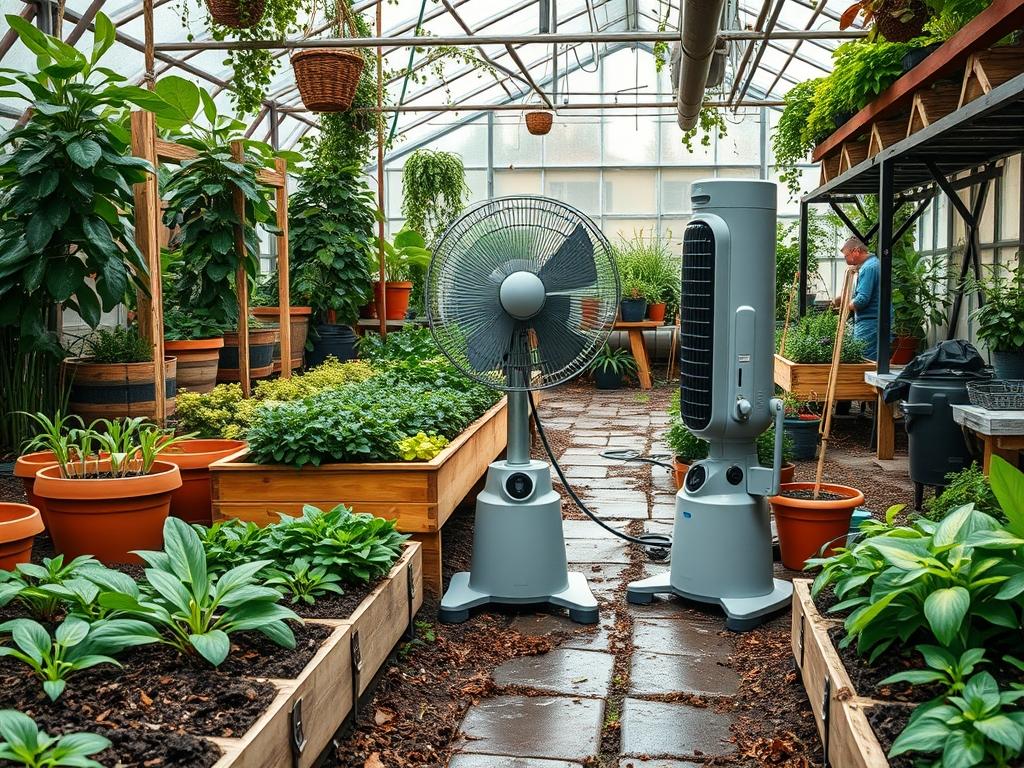
Integrating specialized climate control solutions within a residential landscape requires a keen understanding of both thermodynamic principles and aesthetic cohesion. When homeowners consider the installation of Backyard Cooling Fans for Pets, they are often confronting the limitations of natural shade in high-heat environments. A professional landscape architect views this not merely as an electrical addition, but as a critical component of site functionality and microclimate management. The challenge lies in placing these mechanical elements so they provide maximum relief to animals while remaining unobtrusive to the overall curb appeal. By considering topography, prevailing wind patterns, and the thermal properties of surrounding materials, we can create a cooling station that feels like a natural extension of the garden rather than an industrial afterthought.
Properly executed cooling zones address the heat island effect often found in paved or densely built residential areas. Large dogs or heat-sensitive breeds require specific air velocity to facilitate evaporative cooling, particularly when humidity levels climb. This necessitates a design that marries hardscaping with mechanical ventilation. For instance, a stone patio without proper airflow can become a heat sink, radiating warmth long after the sun has set. Integrating Backyard Cooling Fans for Pets allows the designer to break up these pockets of stagnant, hot air, ensuring that the outdoor environment remains a safe and habitable extension of the home for every family member, including those with fur.
Landscape Design Principles
Effective site planning for pet cooling involves a rigorous application of spatial organization and environmental logic. Symmetry plays a vital role in formal garden layouts, but in the context of cooling, we must focus on the symmetry of airflow. Placing fans in a balanced configuration ensures that there are no “dead zones” where heat can accumulate. We treat the cooling station as a secondary focal point, often nesting it within a transition area between the main lawn and a shaded grove. This creates a logical flow where the pet can move from high-activity sun zones to a structured, cooled retreat.
Elevation layers are equally important. We must consider the height at which the air is moving relative to the pet’s size. A fan mounted too high may lose its effectiveness before the breeze reaches a small dog or a reclining cat. Conversely, ground-level fans must be integrated into the hardscape to avoid becoming tripping hazards. We often utilize Retaining Walls or raised planters to mount fans at an optimal 36-inch to 48-inch height, directing the flow downward. This utilizes the natural tendency of cool air to sink, creating a refreshed envelope at the ground level.
Integrating irrigation planning with cooling is a sophisticated way to enhance the system’s performance. By placing the fan near high-transpiration plants or incorporating a low-pressure misting line, we can lower the ambient temperature by as much as 15 degrees. Walkways leading to these zones should be constructed from materials with a low solar reflectance index, such as light-colored Flagstone or specialized Cool-Deck coatings. This ensures a comfortable transit for paws as they move toward the ventilated area. Visual balance is maintained by using custom enclosures or verdant screening to hide the mechanical housing and electrical Conduit, keeping the focus on the lushness of the garden.
Plant and Material Selection
The following table outlines the best botanical and structural components to complement a cooled pet zone. These selections prioritize durability, shade provision, and the ability to withstand the increased airflow from mechanical fans.
| Plant Type | Sun Exposure | Soil Needs | Water Demand | Growth Speed | Maintenance Level |
| :— | :— | :— | :— | :— | :— |
| River Birch | Full Sun / Partial | Wet to Moist | High | Fast | Moderate |
| White Clover | Full Sun / Partial | Average / Poor | Low | Fast | Very Low |
| Dwarf Boxwood | Full Sun / Shade | Well-Drained | Moderate | Slow | Low |
| Hostas | Full Shade | Loamy / Rich | Moderate | Medium | Low |
| Tall Fescue | Full Sun / Partial | Varied | Moderate | Fast | Moderate |
| Creeping Thyme | Full Sun | Sandy / Dry | Low | Medium | Very Low |
Implementation Strategy
The successful installation begins with a detailed assessment of the site’s grading. To avoid water pooling around electrical components, the cooling zone must be situated on a slight incline or equipped with a dedicated French Drain. Once the site is leveled, we mark the perimeter for the fan’s reach. Using a Power Auger, we set the support posts for the fan mounting system, ensuring they are buried at a depth of at least 24 inches to provide stability against vibration and wind.
Electrical safety is paramount in a garden setting. All wiring must be housed in Schedule 40 PVC Conduit and buried at least 18 inches below the soil surface to prevent accidental damage from gardening tools or digging pets. The system must be connected to a dedicated GFCI Outlet to mitigate the risk of electrical shock in wet conditions. After the mechanical units are secured with Stainless Steel Mounting Brackets, we turn our attention to the ground cover. A thick layer of Cedar Mulch, roughly 3 inches deep, is applied around the perimeter of the cooling pad. This mulch helps retain soil moisture and provides a soft, cool surface for pets to walk on.
For the cooling pad itself, we recommend using porous Pavers set on a bed of Crushed Limestone. This allows for excellent drainage if a misting system is attached to the fan. We use a Spirit Level to ensure the pad is perfectly flat, then fill the gaps with Polymeric Sand to prevent weed growth and stabilize the surface. Finally, the surrounding landscaping is completed by planting Dwarf Boxwood or Hostas to create a natural windbreak that directs the fan’s output toward the center of the pet’s resting area.
Common Landscaping Failures
One of the most frequent mistakes in outdoor cooling design is ignoring the impact of soil compaction. When pets congregate in a single cooled area, the constant traffic can compress the earth, killing plant roots and preventing water infiltration. This leads to a muddy mess that renders the cooling station unusable. To avoid this, designers should incorporate heavy-duty Stabilized Gravel or reinforced turf products in high-traffic zones.
Drainage mistakes also plague many DIY installations. If the area around the fan is not properly graded, summer rainstorms can lead to standing water near the electrical base. This is not only a safety concern but can lead to the rapid decay of any wooden support structures used for the fan. Furthermore, improper spacing of plants can be detrimental. If shrubs are planted too close to the fan’s intake, they can block airflow or, worse, have their leaves desiccated by the constant wind. We generally recommend a 5-foot clearance between the back of the fan and any dense foliage.
Root overcrowding is another issue that arises when homeowners try to hide mechanical units too tightly with greenery. Trees like the River Birch have aggressive root systems that can heave Conduit or crack the foundations of mounting posts if not given enough space. Always account for the mature width and root spread of your chosen flora before finalizing the placement of your Backyard Cooling Fans for Pets. Irrigation inefficiencies, such as spray heads hitting the fan motor, will also lead to premature mechanical failure and should be corrected during the initial layout phase.
Seasonal Maintenance
Landscape management is a year-round commitment that changes with the seasons. In the spring, the focus should be on inspecting the electrical systems after the winter thaw. Check all Conduit for cracks caused by soil expansion and ensure the GFCI Outlet is functioning correctly. This is also the time to prune any overhanging branches that might interfere with the fan’s oscillation during the upcoming hot months. Applying a fresh layer of Mulch will help conserve moisture as the temperature begins to rise.
During the summer, maintenance is primarily about cleanliness. Dust and pollen can accumulate on the fan blades, reducing efficiency and putting strain on the motor. A simple wipe-down with a damp cloth every two weeks is usually sufficient. Check the irrigation around the cooling zone to ensure that the increased airflow isn’t drying out nearby Hostas or Boxwoods too quickly. If a misting system is in use, clear any mineral deposits from the nozzles using a specialized descaling solution.
As autumn approaches, it is time to prepare the system for dormancy. If you live in a climate with freezing temperatures, the fan units should be covered with a waterproof material or moved into a storage shed. Disconnect the power and use a Compressed Air canister to blow out any misting lines to prevent burst pipes. In winter, the goal is protection. Ensure that the mounting posts and electrical housing are shielded from heavy snow loads and salt spray used for de-icing. By following this seasonal rhythm, you ensure that the cooling zone remains a functional and beautiful part of your landscape for years to come.
Professional Landscaping FAQ
How do I hide the electrical cords for the fan?
Cords should be housed in PVC Conduit and buried 18 inches deep. For the segment rising to the fan, use decorative wooden cladding or plant screening like Dwarf Boxwood to mask the pipe while maintaining professional safety standards.
What is the best ground surface for a pet cooling station?
Light-colored Flagstone or porous Pavers are ideal. These materials have a high solar reflectance index, meaning they stay cooler in the sun. Ensure they are set on Crushed Limestone to allow for proper drainage and air circulation.
Can I use a misting fan in a small backyard?
Yes, but you must account for humidity. In confined spaces, excessive moisture can lead to mold on wooden fences. Ensure there is enough open space for the mist to evaporate before it settles on vertical surfaces or sensitive foliage.
How far should the fan be from my pet’s bed?
Ideally, place the Backyard Cooling Fans for Pets between 4 feet and 8 feet away. This provides a gentle breeze without causing discomfort or blowing debris. Adjust the height to target the pet’s core level when they are lying down.
Do I need a professional electrician for the installation?
While a landscaper can manage the site grading and mounting, a licensed electrician should handle the GFCI Outlet installation and the main line connection. This ensures the system meets local building codes and operates safely in a moist garden environment.