
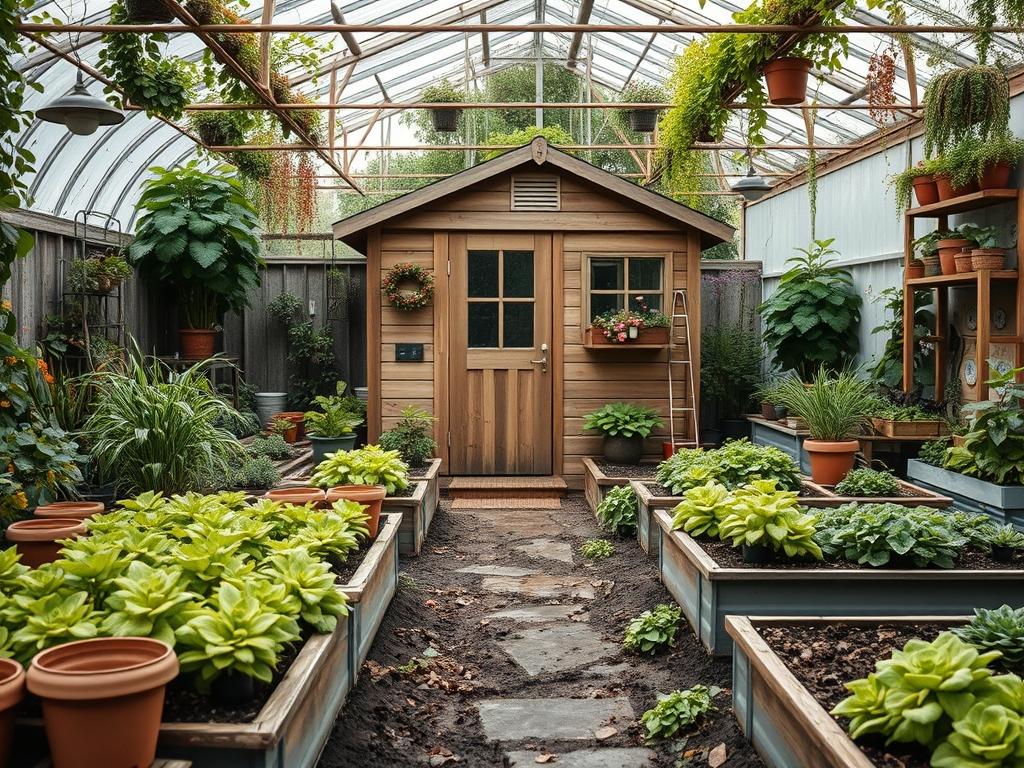
Integrating a functional outbuilding into a high-end residential landscape requires more than just a level patch of ground and a few bags of nursery-standard mulch. Most homeowners view a shed as a secondary storage solution, yet from a design perspective, it represents a significant architectural mass that can either disrupt or enhance the flow of an backyard. Effective backyard storage shed styling involves a deep understanding of site orientation, microclimates, and the transition between the rigid geometry of a structure and the organic forms of a garden. When a shed is left isolated in the middle of a lawn, it creates a visual disconnect that makes the yard feel smaller and cluttered. By applying professional landscaping principles, you can transform a utility box into a cohesive focal point that adds significant curb appeal and property value.
The primary challenge lies in balancing the utilitarian nature of the building with the soft, inviting atmosphere of a curated garden. This requires careful consideration of the foundation, the drainage patterns of the surrounding soil, and the elevation of the structure relative to the main house. A misplaced shed can lead to stagnant water pooling against the siding, causing rot and attracting pests. Conversely, a well-placed shed, anchored by Perennial Grasses and Evergreen Shrubs, creates a sense of permanence and purpose. The goal of this guide is to provide a technical framework for styling these structures, focusing on professional-grade materials and long-term ecological health.
Landscape Design Principles
Successful backyard storage shed styling relies on the principle of visual anchoring. A structure that sits directly on the grass looks temporary and unstable. To correct this, utilize Symmetry and Focal Points to draw the eye through the landscape. Align the doors of the shed with an existing walkway or a central axis from the back porch. This creates a logical “destination” in the yard. If the shed is off-center, use Elevation Layers to balance the weight. For instance, planting a tall tree like a Serviceberry on the opposite side of the yard provides a vertical counterweight to the shed mass.
Walkways are the veins of the landscape, and they play a vital role in shed styling. Instead of a straight line, which can feel clinical, use a sweeping curve made of Natural Flagstone or Interlocking Pavers. This lengthens the journey and allows for “pockets” of planting along the path. These pockets should follow a height gradient. Place low-ground covers near the path, medium shrubs in the center, and tall structural plants against the shed walls. This layering masks the harsh “box” shape of the building and blends it into the horizon.
Irrigation planning is another critical, yet often ignored, design principle. Because sheds have large roof surface areas, they generate significant runoff. Designing a Rain Garden or a Dry Creek Bed utilizing River Rock near the shed can manage this water effectively. By directing the downspouts into a French Drain or a gravel-filled trench, you protect the structural integrity of the shed while providing a unique aesthetic feature that mimics a natural watercourse.
Plant and Material Selection
Choosing the right species ensures that the styling remains vibrant throughout the year without requiring constant intervention. The following table outlines high-performance selections for shed perimeters.
| Plant Type | Sun Exposure | Soil Needs | Water Demand | Growth Speed | Maintenance Level |
| :— | :— | :— | :— | :— | :— |
| Boxwood | Full Sun / Part Shade | Well-Drained | Low | Slow | Low |
| Lavender | Full Sun | Sandy / Gritty | Low | Medium | Low |
| Hostas | Full Shade | Loamy / Moist | Medium | Medium | Low |
| Switchgrass | Full Sun | Variable | Low | Fast | Low |
| Climbing Hydrangea | Part Shade | Rich / Moist | Medium | Slow | Medium |
| Creeping Thyme | Full Sun | Poor / Rocky | Low | Medium | Low |
For materials, avoid cheap plastic edging. Instead, opt for Steel Edging or Belgium Block. These materials provide a crisp, permanent border that prevents lawn grass from encroaching into the shed’s garden beds. When selecting mulch, triple-shredded hardwood mulch or Pine Bark Nuggets are superior to dyed wood chips. They decompose naturally, improving soil structure over time while maintaining a professional, dark-toned aesthetic that makes the colors of your plants pop.
Implementation Strategy
The implementation phase begins with a thorough site analysis. Before any plants go into the ground, check the Grading of the area. The soil must slope away from the shed at a rate of at least 1 inch of drop for every 1 foot of distance. This ensures that the base of your shed, whether it is a Concrete Slab or Pressure-Treated 4×4 Skids, remains dry during heavy storms. Use a Spade to cut a clean edge around the perimeter, creating a garden bed that extends at least 3 feet out from the shed walls to allow for mature plant spread.
Once the grading is verified, install a Weed Barrier or a thick layer of Cardboard to suppress existing turf. If you are installing hardscaping, such as a small patio in front of the shed doors, lay down a 4 inch base of Compactor Gravel followed by a 1 inch layer of Leveling Sand. Use a Spirit Level to ensure the surface is flat but slightly pitched for water runoff.
When planting, do not crowd the structure. Leave at least 12 inches of space between the shed siding and the nearest branch of a shrub. This allows for air circulation, preventing mold growth on the shed and fungal diseases on the plants. Use a Hand Trowel to incorporate Organic Compost into each planting hole. After the plants are in the ground, apply a 3 inch layer of mulch, ensuring the mulch does not touch the stems of the plants or the siding of the shed.
Common Landscaping Failures
One of the most frequent mistakes in backyard storage shed styling is the “bathtub effect.” This occurs when a homeowner digs a hole in heavy clay soil, fills it with loose potting mix, and plants a shrub. The hole acts as a basin, trapping water and drowning the roots. To avoid this, always test your soil drainage by digging a 12 inch deep hole and filling it with water. If it takes more than four hours to empty, you must use raised beds or install a Perforated Drain Pipe system.
Another common failure is root overcrowding. It is tempting to buy small, inexpensive plants and pack them tightly for an immediate “full” look. However, within three years, these plants will compete for nutrients and light, leading to stunted growth and a messy appearance. Always research the “mature spread” of a species. For example, a Dwarf Alberta Spruce may stay small for years, but a standard Eastern White Pine will eventually overwhelm a shed if planted too close. Soil compaction is the final silent killer. Heavy foot traffic during shed assembly can crush the air pockets in the soil. Use an Aerator or a Garden Fork to loosen the ground before you begin your landscape installations.
Seasonal Maintenance
A professional-looking shed environment requires a structured maintenance schedule. In the Spring, focus on rejuvenation. Use Pruning Shears to remove any winter-killed branches and apply a fresh 1 inch top-dress of mulch to replace what decomposed over the winter. This is also the time to check the Structural Integrity of your walkways, resetting any stones that shifted during the freeze-thaw cycle.
During the Summer, irrigation is the priority. If you do not have an automated Drip Irrigation system, ensure you water deeply at the base of the plants early in the morning. Avoid overhead watering, as the moisture trapped against the shed walls can lead to paint peeling or wood rot. In the Autumn, clear fallen leaves from the base of the shed and the gutters. Leaving damp leaves against the structure is an invitation for termites and carpenter ants. Finally, in the Winter, protect sensitive evergreens with Burlap Wraps if they are in the path of heavy wind or snow shed from the building’s roof.
Professional Landscaping FAQ
What is the best base material for a shed landscape?
Crushed Stone or Pea Gravel is ideal. It provides excellent drainage, prevents weed growth, and offers a stable surface for the shed. Unlike soil, gravel does not shift or retain moisture against the foundation, extending the life of the structure.
How do I prevent weeds from growing around the shed?
Install a high-quality Geotextile Fabric beneath a 3 inch layer of mulch or stone. For the edges, use Steel Edging to create a physical barrier that prevents aggressive lawn grasses from spreading their rhizomes into your garden beds.
Can I grow climbing plants directly on the shed walls?
It is generally discouraged to grow vines directly on wood or vinyl siding. Instead, install a Trellis or a Cedar Lattice spaced 4 inches away from the wall. This provides the necessary airflow to keep the building dry.
How far should I plant trees from my shed?
Small ornamental trees should be at least 8 feet away. Large canopy trees require 15 to 20 feet of clearance. This prevents root systems from heaving the foundation and protects the roof from falling limbs or excessive debris accumulation.
Is irrigation necessary for a shed garden?
Yes, because the shed roof creates a “rain shadow” on the leeward side. Plants located close to the walls may not receive enough natural rainfall. A simple Soaker Hose buried under the mulch provides consistent moisture without damaging the shed.