
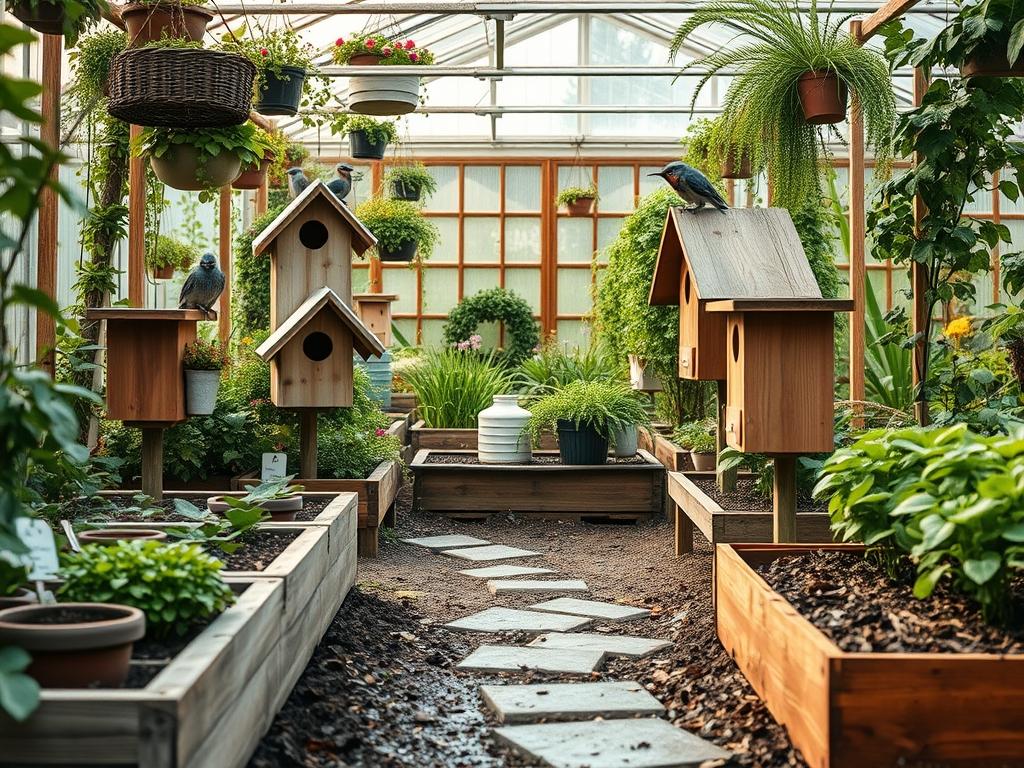
Integrating functional habitat into a high-end residential landscape requires a nuanced understanding of both aesthetic balance and biological necessity. The modern homeowner often seeks a sanctuary that serves both human relaxation and local ecology; however, haphazardly hanging a birdhouse on a fence rarely achieves professional results. Incorporating Backyard Bird Nesting Boxes into a master plan demands rigorous site analysis, climate consideration, and a dedication to curb appeal. A poorly placed box can look like an after-thought, disrupting the clean lines of a formal garden or becoming an eyesore in a minimalist meadow. By treating these structures as architectural elements rather than mere accessories, we can enhance the outdoor living experience while supporting avian populations through thoughtful spatial design.
The landscaping challenge lies in regional climate demands and the physical durability of the materials used. In high-wind areas or regions prone to heavy rainfall, the structural integrity of the mounting systems must be prioritized. A leaning post or a weathered, decaying box reflects poorly on the overall maintenance of the property. Therefore, we must consider the environmental impact on the bird box itself, ensuring that it complements the residential structure and the surrounding hardscape. Properly executed, these boxes act as dynamic focal points that draw the eye toward specific garden zones, encouraging a sense of movement and vitality within the landscape.
Landscape Design Principles
Professional landscape design relies on the core concepts of symmetry and focal points. When placing Backyard Bird Nesting Boxes, the architect must decide if the box will be a hidden gem within a woodland border or a prominent feature at the terminus of a primary sightline. For a symmetrical garden, placing identical boxes on opposite ends of a parterre can create a sense of order and rhythm. This approach works exceptionally well in formal landscapes where the boxes are mounted on custom Hardwood posts that match the finish of nearby pergolas or gates. Elevation layers are equally crucial; birds have varying height preferences, so the landscape should offer a multi-tiered approach. Lower boxes tucked into shrubbery accommodate specific species, while higher, pole-mounted boxes provide the visibility required by others.
Irrigation planning and water access must be integrated into the proximity of the nesting site. While birds do not need water inside the box, a nearby Bubbler fountain or a shallow Stone birdbath increases the likelihood of habitation. These water features should be designed to match the surrounding masonry, using materials like Flagstone or Cast concrete to maintain a cohesive look. Walkways should be positioned to allow for observation without encroaching on the bird’s flight path. Using a curated path of Decomposed granite or River rock can guide visitors through the garden while maintaining a respectful distance from the nesting site. This visual balance ensures that the human elements of the garden and the wildlife habitat operate in harmony rather than competition.
Plant and Material Selection
The following selection of plants and materials is curated to provide the best environment for avian nesting while maintaining professional landscape standards.
| Plant Type | Sun Exposure | Soil Needs | Water Demand | Growth Speed | Maintenance Level |
| :— | :— | :— | :— | :— | :— |
| Eastern Red Cedar | Full Sun | Diverse/Well-Drained | Low | Moderate | Low |
| Serviceberry | Partial Shade | Loamy/Acidic | Moderate | Fast | Moderate |
| American Holly | Full Sun to Shade | Moist/Well-Drained | Moderate | Slow | Low |
| Switchgrass | Full Sun | Sandy to Clay | Low | Fast | Minimal |
| Arrowwood Viburnum | Full Sun to Part Shade | Moist | Moderate | Fast | Moderate |
| Purple Coneflower | Full Sun | Well-Drained | Low | Fast | Low |
Implementation Strategy
The successful installation of Backyard Bird Nesting Boxes begins with precise grading and site preparation. Before any post is set, the soil must be evaluated for drainage. If a post is placed in a low-lying area where water collects, the wood will fail prematurely, and the bird population may be exposed to excessive humidity. We recommend excavating a hole to a depth of at least 24 inches and filling the base with Crushed gravel to facilitate drainage away from the post bottom. Using a Post-hole digger, ensure the hole is wide enough to accommodate a Concrete collar if the soil is particularly sandy or unstable.
Once the post is level, the surrounding area should be professionally edged to create a defined bed. This prevents lawn care equipment like String trimmers from damaging the mounting structure. A layer of Triple-shredded hardwood mulch should be applied at a depth of 3 inches around the base, kept a few inches away from the post itself to prevent moisture retention against the wood. If the box is part of a larger garden bed, incorporate Native shrubs as a backdrop to provide a “staging area” where birds can land and survey the box before entering. Hardscaping elements, such as a Retaining wall or a Decorative boulder, can be used to anchor the box within the overall design, making it feel like a permanent part of the garden’s architecture.
Common Landscaping Failures
One of the most frequent mistakes in nest box placement is the neglect of drainage at the site level. When water pools around a mounting pole, it creates a mud pit that attracts insects and leads to structural instability. Another common failure is root overcrowding. Planting a fast-growing tree too close to a nesting box might look good during the first season; however, within three years, the limbs may obstruct the entrance or provide easy access for predators like squirrels and cats. Professional spacing is vital; a clear flight path of at least 15 feet is generally required for most species to feel secure.
Soil compaction is another significant issue, especially in new construction landscapes. Heavily compacted soil prevents healthy root growth for the surrounding “cover” plants and can make post installation difficult. If the soil is too hard, use an Auger to loosen the earth and mix in Organic compost to improve the structure. Finally, irrigation inefficiencies can ruin a nesting site. If a Rotary sprinkler head is positioned to spray directly against the box, the interior will become damp, leading to mold and nest failure. Always adjust irrigation zones to ensure that the water is directed at the root zones of the plants and well away from the nesting structures.
Seasonal Maintenance
Seasonal management is the hallmark of a professional landscape. In the spring, all Backyard Bird Nesting Boxes should be inspected for structural integrity. Check the Galvanized screws and hinges for rust or loosening. This is also the time to apply a fresh layer of Mulch and prune any encroaching branches that may have grown over the winter. During the summer, ensure that the surrounding vegetation is not encroaching on the flight path. Hand-pruning Perennials and Ornamental grasses keeps the site looking tidy and functional.
In autumn, once the nesting season has concluded, the boxes must be cleaned out. Use a Stiff brush and a mild solution of water and vinegar to remove old nesting material and debris. This prevents the buildup of parasites that could harm next year’s brood. Winter maintenance involves checking the boxes for any damage from heavy snow or ice. In colder climates, some homeowners choose to leave the boxes up as roosting sites for birds seeking warmth, while others prefer to remove the boxes and store them in a Tool shed to prolong their lifespan. Regardless of the choice, the “curb appeal” of the site should be maintained by ensuring the mounting posts remain upright and clean throughout the dormant season.
Professional Landscaping FAQ
What is the best material for a bird nesting box?
Use Western Red Cedar or Cypress because of their natural rot resistance and thermal properties. Avoid pressure-treated lumber near the interior, as the chemicals can be toxic to hatchlings. Always assemble with Stainless steel or Galvanized fasteners to prevent rust.
How high should I mount my nesting box?
Most songbirds prefer a height between 5 and 10 feet. Ensure the box is mounted on a Metal pole or a Wood post with a Predator baffle installed at least 4 feet above the ground to deter climbing animals.
Can I paint my bird nesting box to match my house?
While you can paint the exterior, use only Low-VOC latex paint in light, neutral tones like tan or grey. These colors prevent the box from overheating in the summer sun. Never paint the interior or the entrance hole edges.
Where should the box face in a landscape?
The entrance should ideally face East or Northeast, away from prevailing winds and the direct, afternoon heat of the southern sun. This orientation helps maintain a stable internal temperature and protects the inhabitants from heavy rain driven by western winds.
How do I integrate a nesting box into a small garden?
Use the box as a Vertical accent within a perennial border. Mount it on a slender Steel rod to take up minimal square footage. Surround the base with Native grasses to soften the transition between the hard hardware and the soft landscape.