
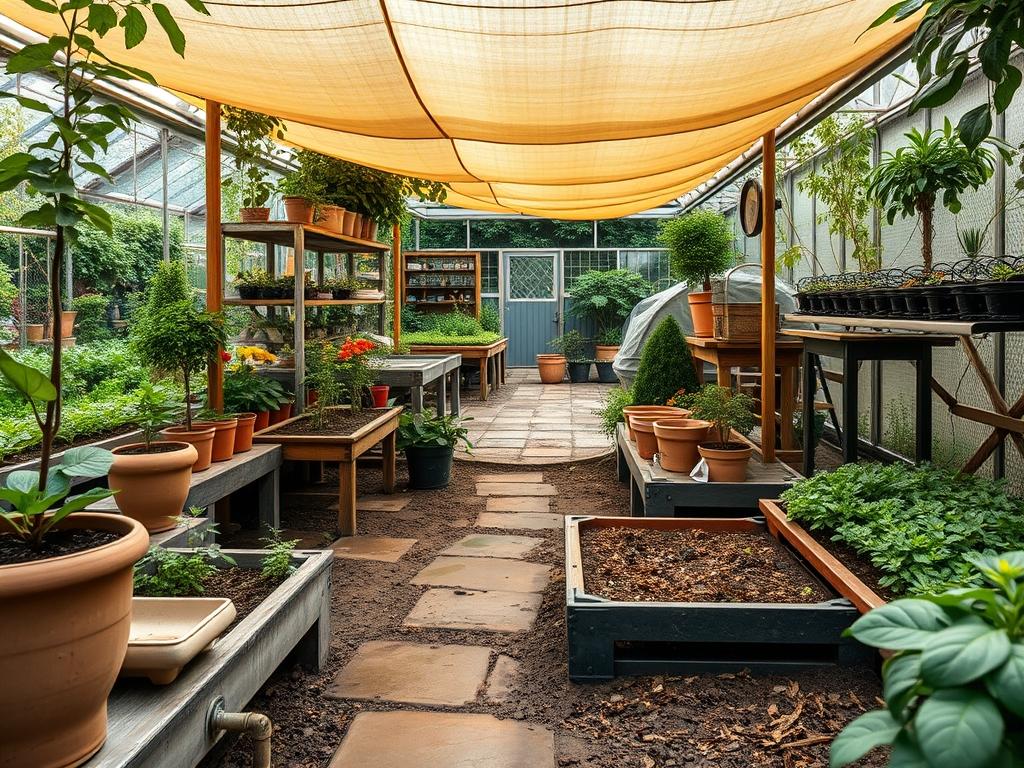
The modern backyard has transitioned from a simple grassy expanse into a sophisticated extension of the interior living space. Achieving this seamless integration requires a deep understanding of how architectural elements interact with the natural environment. One of the most significant challenges in residential design involves managing solar exposure while maintaining an open, airy aesthetic. High-performance Backyard Retractable Canopies have emerged as a primary solution for this dilemma; they offer the flexibility to toggle between a sun-drenched patio and a shaded sanctuary at the touch of a button or the turn of a crank. From a landscaping perspective, these structures act as a transitional “ceiling” that defines the outdoor room, allowing designers to orchestrate more complex plant palettes that might otherwise wither under the harsh midday sun. By controlling the microclimate of the immediate area, these canopies protect both high-end outdoor furniture and delicate ornamental flora, ensuring that the investment in curb appeal remains vibrant throughout the hottest months of the year.
Landscape Design Principles
Successful landscape architecture relies on the delicate balance of symmetry and focal points to guide the eye through the environment. When integrating Backyard Retractable Canopies, the structure itself often becomes the primary focal point of the hardscape. To balance this vertical presence, designers frequently use elevation layers to create depth. By incorporating retaining walls ranging from 12 inches to 24 inches in height, one can create tiered planting beds that soften the transition between a raised deck and the forest floor or lawn. This layering effect ensures that the canopy does not appear as an isolated island, but rather as a nestled component of a three-dimensional garden.
Symmetry plays a vital role in formal designs where the canopy aligns with the central axis of a home’s rear exit. In these layouts, the use of allée plantings or mirrored shrubbery creates a sense of order and permanence. Conversely, in more organic or modern minimalist designs, visual balance is achieved through the strategic placement of asymmetrical elements, such as a large granite boulder or a specimen tree located opposite the canopy. Irrigation planning is also paramount; the “rain shadow” created by a large canopy means that plants situated directly underneath or adjacent to the structure will not receive natural rainfall. Professionals must install a dedicated drip irrigation system with pressure-compensating emitters to ensure consistent hydration for these sheltered zones.
Walkways should lead logically toward the sheltered area, using materials like permeable pavers or flagstone set in a crushed limestone base. The width of these paths should be at least 36 inches to allow for comfortable movement. By treating the canopy as the anchor of the outdoor floor plan, the designer can establish clear “zones” for dining, lounging, and gardening, much like the walls of a house define its interior functionality.
Plant and Material Selection
Choosing the right biological and mineral components is the key to a resilient landscape. The following table outlines optimal selections for areas surrounding sheltered patio environments:
| Plant Type | Sun Exposure | Soil Needs | Water Demand | Growth Speed | Maintenance Level |
| :— | :— | :— | :— | :— | :— |
| Lavender (Lavandula) | Full Sun | Well-drained / Sandy | Low | Fast | Low |
| Boxwood (Buxus) | Full to Partial | Loamy / Neutral | Medium | Slow | High (Pruning) |
| Japanese Maple | Partial Shade | Rich / Acidic | Medium | Slow | Medium |
| Hostas | Full Shade | Moist / Organic | High | Medium | Low |
| Creeping Thyme | Full Sun | Poor / Rocky | Low | Fast | Very Low |
| Switchgrass | Full Sun | Varied / Clay | Low | Fast | Low |
In terms of hardscape materials, the choice of natural stone versus composite decking significantly impacts the thermal mass of the area. Travertine is a popular choice for areas under Backyard Retractable Canopies because it remains cool to the touch even when the canopy is retracted and the stones are exposed to direct light. For a more industrial or contemporary look, brushed concrete provides a clean surface that complements the sleek aluminum frames of modern canopy systems.
Implementation Strategy
The implementation of a high-end garden layout begins with meticulously executed grading. Before any stone is laid or any canopy is bolted to a footer, the land must be sloped at a minimum of 2 percent away from the home’s foundation to prevent water pooling. This involves using a transit level to mark elevations across the site. Once the grade is established, the layout for hardscaping begins. If the canopy is a freestanding model, it requires concrete footings poured to a depth of at least 36 inches—or below the local frost line—to prevent shifting during seasonal freeze-thaw cycles.
After the structural footings are set, the focus shifts to the planting beds. Professional installers will edge the beds using steel edging or poured concrete curbs to create a crisp boundary between the lawn and the mulch. A depth of 3 inches of hardwood mulch is recommended to suppress weeds and retain soil moisture. If the soil is heavy in clay, the strategy must include the incorporation of organic compost and expanded shale to improve aeration. Finally, the installation of low-voltage LED lighting along walkways and under the canopy frame ensures the space remains functional and safe after sunset.
Common Landscaping Failures
The most frequent error in backyard transformations is the failure to calculate proper drainage. When a large surface area like a retractable canopy is extended during a light rain, it redirects water to its perimeter. Without a French drain or a catch basin at the drip line, this concentrated runoff can erode topsoil or drown the root systems of nearby perennials. Furthermore, many homeowners ignore the eventual size of their plants. Root overcrowding occurs when spruce trees or large shrubs are planted too close to the canopy’s structural posts, eventually leading to cracked footings or mechanical interference as the trunk expands.
Soil compaction is another silent killer of landscape health. During the installation of Backyard Retractable Canopies, heavy machinery or repeated foot traffic can compress the soil, squeezing out the air pockets necessary for root respiration. To fix this, a professional should use an air spade or mechanical aerator before the final planting phase. Finally, irrigation inefficiencies often stem from “overspray,” where sprinklers hit the canopy fabric instead of the soil. This not only wastes water but can also lead to the growth of mildew or algae on the fabric, shortening the lifespan of the material.
Seasonal Maintenance
Maintaining a premium landscape requires a rhythmic approach to the four seasons. In the Spring, the focus is on “waking up” the garden. This involves applying a slow-release fertilizer to the beds and inspecting the canopy’s mechanical tracks for debris. It is also the ideal time to apply a fresh layer of mulch and prune any deadwood from trees that may have been damaged by winter ice.
Summer maintenance is primarily about water management and deadheading flowers to encourage a second bloom. During periods of extreme heat, the Backyard Retractable Canopies should be utilized to protect shade-loving plants nearby from “leaf scorch.” In the Autumn, the priority shifts to leaf removal. Decaying leaves can stain natural stone pavers and clog the drainage channels of the canopy system. This is also the time to plant spring bulbs like Tulips and Daffodils.
Winter requires the most structural care. In regions with heavy snowfall, the canopy must be fully retracted and covered with a weatherproof sleeve to prevent weight-related damage. Many professionals also recommend a “dormant oil” spray for surrounding trees to kill overwintering pests, ensuring the garden returns to its full glory the following year.
Professional Landscaping FAQ
How do you prevent water from pooling near the canopy base?
Install a French drain or a gravel-filled trench at the canopy’s drip line. This directs runoff into a catch basin or a lower part of the yard, protecting the root systems of surrounding plants and Preventing foundation erosion.
What are the best materials for a patio under a canopy?
Travertine pavers and light-colored flagstone are excellent because they resist heat absorption. If choosing wood, Ipe or pressure-treated cedar offer the durability needed to withstand the fluctuating moisture levels found in partially shaded microclimates.
Can I grow climbing vines on my canopy frame?
It is generally discouraged. While Clematis or Wisteria look beautiful, their weight and moisture retention can damage the motor or stain the fabric. Instead, use a freestanding trellis located at least 12 inches away from the structural posts.
How deep should the mulch be in the surrounding beds?
Maintain a consistent depth of 3 inches. This thickness is sufficient to suppress weed growth and regulate soil temperature without suffocating the roots of your perennials. Avoid “mulch volcanoes” piled against the trunks of your trees.
Does a retractable canopy affect my local property taxes?
Generally, a non-permanent, retractable structure is considered a “chattel” or a removable fixture rather than a permanent building addition. However, if you install extensive retaining walls and permanent footings, it may increase your home’s assessed value and curb appeal.