
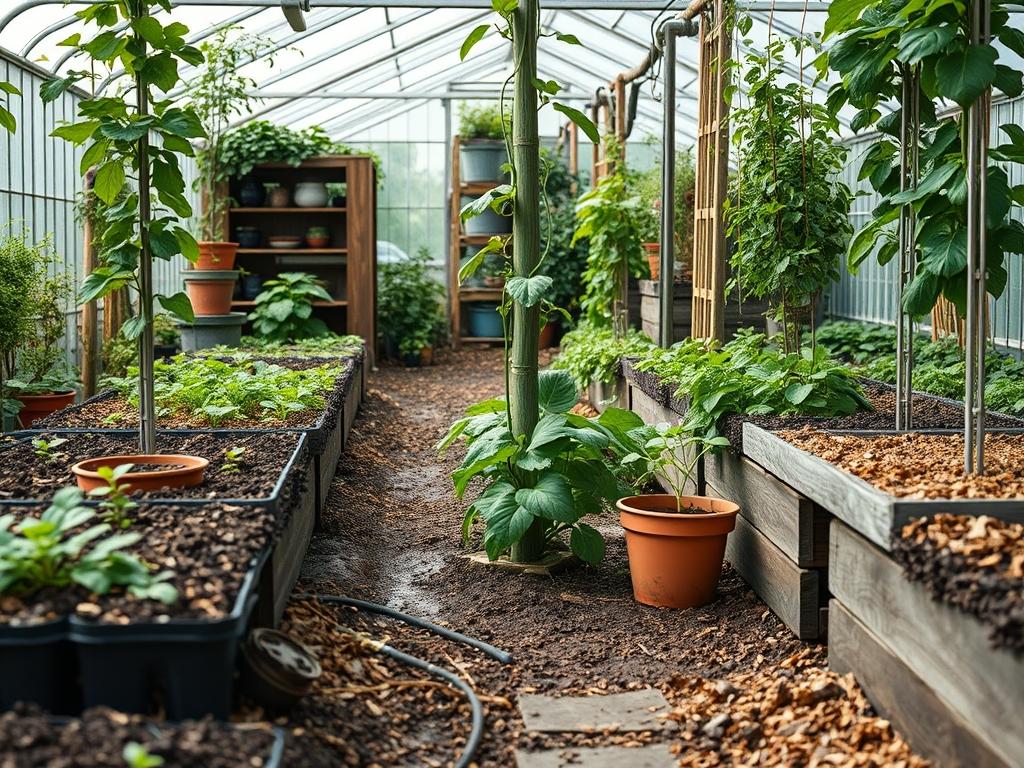
Integrating vertical agricultural elements into a residential landscape requires a sophisticated balance between structural engineering and botanical knowledge. Often, the backyard is viewed as a two dimensional plane where lawns and low lying flower beds dictate the flow. However, introducing Backyard Pole Bean Supports as architectural features allows a designer to capitalize on the vertical axis, creating depth and a sense of enclosure that flat gardens lacking height cannot achieve. This approach addresses the functional necessity of supporting heavy vines while simultaneously enhancing the curb appeal of the property. From a landscape architect’s perspective, these supports are not merely utility items but are focal points that define the outdoor living environment. Properly executed, they manage microclimates by providing shade, act as living privacy screens, and improve the overall drainage efficiency of the site by concentrating intensive growth in managed zones.
The challenge in modern garden planning lies in the durability of these structures. A standard wooden tripod often fails under the sheer weight of a mature Phaseolus vulgaris crop when combined with the lateral force of a summer thunderstorm. Consequently, the design must prioritize high quality materials such as Galvanized Steel, Cedar 4×4 Posts, and Heavy-Duty Nylon Netting. By viewing these supports as permanent or semi-permanent hardscaping features, a homeowner can ensure that the garden remains tidy and productive for multiple seasons. This shift from temporary solutions to intentional landscape design reflects a broader trend toward sustainable, edible landscapes that look as refined as traditional ornamental gardens.
Landscape Design Principles
When placing Backyard Pole Bean Supports, we must consider the principles of symmetry and focal points. A well placed archway or a series of repetitive obelisks can guide the eye through the garden, creating a narrative of movement. Elevation layers are critical; by placing taller bean supports toward the rear of a site or along a Retaining Wall, you create a layered effect that makes small spaces feel more expansive. This verticality also allows for better light penetration to lower story plants, maximizing the square footage of the growing area.
Irrigation planning is another vital pillar of the design process. Rather than relying on overhead watering, which can encourage foliar diseases, the placement of bean supports should be integrated with a Drip Irrigation System. Embedding 1/2-inch poly tubing along the base of the supports ensures that moisture reaches the root zone directly. This technical integration prevents the visual clutter of hoses and maintains the sleek lines of a modern landscape. Furthermore, the orientation of the supports should account for the path of the sun. Aligning a trellis on a north to south axis ensures that both sides of the vine receive equitable sunlight, preventing the “leggy” growth often seen in shaded structures.
Visual balance is achieved through the marriage of hard and soft textures. The rigid, geometry of a Cattle Panel Arch is softened by the lush, heart shaped leaves of the beans. This contrast is a hallmark of high end landscape design. Walkways should be planned around these structures to allow for easy harvesting and maintenance. A minimum width of 36 inches for paths ensures that wheelbarrows and garden equipment can pass without damaging the vines.
Plant and Material Selection
Selecting the right combination of biological and structural components is the foundation of any successful vertical garden. The following table outlines the requirements for common pole bean varieties and the materials best suited for their support.
| Plant Type | Sun Exposure | Soil Needs | Water Demand | Growth Speed | Maintenance Level |
| :— | :— | :— | :— | :— | :— |
| Kentucky Wonder | Full Sun | Loamy, Well-drained | Moderate | Fast | Low |
| Scarlet Runner | Full Sun/Partial | High Organic Matter | High | Very Fast | Medium |
| Blue Lake Pole | Full Sun | Neutral pH | Consistent | Fast | Low |
| Yardlong Bean | Full Sun | Heat Tolerant | Moderate | Fast | High |
| Trionfo Violetto | Full Sun | Rich in Compost | Moderate | Fast | Medium |
For the supports themselves, the material choice dictates the longevity of the installation. Powder-Coated Steel offers a sleek, contemporary look that resists rust. Pressure-Treated Timber is cost effective but requires a food safe liner if in direct contact with soil. For a more natural aesthetic, Black Locust or Cedar are naturally rot resistant and transition beautifully into a weathered silver patina over time.
Implementation Strategy
The transition from design to physical reality begins with site grading. Ensure the area where the Backyard Pole Bean Supports will be installed is level to prevent structural leaning. If the garden is on a slope, a small Retaining Wall or a terraced bed may be necessary to provide a stable foundation. Use a Post Hole Digger to create footings at least 24 inches deep for any pillar exceeding six feet in height. Filling these holes with Crushed Gravel or a light Concrete Mix provides the lateral stability required to withstand heavy wind loads.
Once the primary posts are set, install the secondary support material. For a clean, modern look, use 12-Gauge Galvanized Wire stretched horizontally at 12-inch intervals. Use Eye Bolts and Turnbuckles to maintain tension in the wire; this allows for easy adjustments as the seasons change and the wood expands or contracts. Edging the base of the support with Steel Landscape Edging creates a crisp line between the growing bed and the walkway.
Apply a 3-inch layer of Cedar Mulch or Pine Bark Nuggets over the root zone. This suppresses weeds, retains moisture, and provides a polished finish. If your design includes an archway, ensure the overhead clearance is at least 84 inches to accommodate tall individuals and allow for the natural “droop” of the bean pods during peak production. Drainage must be monitored; if the soil becomes waterlogged at the base of the posts, install a French Drain or divert runoff using a subtle Swale to protect the integrity of the footings.
Common Landscaping Failures
One of the most frequent errors in implementing Backyard Pole Bean Supports is the underestimation of the mature weight of the vines. A single Scarlet Runner vine can weigh several pounds; multiplied by dozens of plants, a flimsy trellis will inevitably buckle. Another mistake is root overcrowding. While it is tempting to plant beans densely for a “green wall” effect, improper spacing leads to poor air circulation, which invites powdery mildew and aphids.
Soil compaction is a silent killer in many garden layouts. When walkways are not clearly defined, foot traffic near the base of the supports compacts the earth, suffocating the delicate nitrogen fixing nodules on the bean roots. This is why a hardscaped path of Pea Gravel or Flagstone is essential. Finally, irrigation inefficiencies often stem from a lack of zoning. Beans have different water requirements than surrounding turf grass. Failing to isolate the bean supports on their own irrigation valve can lead to stunted growth or root rot.
Seasonal Maintenance
Landscape management is a year round commitment. In the spring, inspect all Backyard Pole Bean Supports for structural integrity. Replace any frayed Jute Twine and tighten the Turnbuckles on wire systems. This is also the time to test the Drip Irrigation emitters for clogs.
During the summer, the focus shifts to moisture management and vine training. Guide young tendrils toward the support structure using Soft Plant Ties. Monitoring the tension on your trellis is crucial during this phase as the biomass increases. In the autumn, after the harvest is complete, remove all dead plant material promptly. Leaving vines on the supports through winter can harbor pests and pathogens. This is an excellent time to apply a fresh layer of Compost to the beds.
Winter is the season for structural preservation. If your supports are made of untreated wood, apply a food safe Water Sealant. Inspect metal components for signs of oxidation and touch up with Rust-Resistant Paint where necessary. This proactive approach ensures that the garden is prepared for immediate planting once the soil temperatures rise in the spring.
Professional Landscaping FAQ
How do I prevent my bean trellis from tipping over in high winds?
Ensure your vertical posts are anchored at least 24 inches deep. Using Concrete Footings or Gravel Backfill provides the necessary ballast. For long spans, integrate mid-point supports to break the wind load and increase the overall rigidity of the framework.
What is the best material for a modern, minimalist bean support?
Powder-Coated Steel or Cable Railing Systems offer the cleanest aesthetic. These materials provide high strength with a slim profile, allowing the architecture of the plants to remain the primary visual focus while ensuring the structure lasts for decades.
Can I use cattle panels for pole bean supports in a formal garden?
Yes, if they are framed correctly. Encasing Cattle Panels in a Cedar or Metal Frame elevates the industrial look into a polished architectural feature. This provides a sturdy, grid-like surface that is perfect for heavy climbing varieties.
How far apart should I space my support structures?
For individual obelisks, space them at least 5 feet apart to allow for light and airflow. For continuous rows or arches, ensure a 3-foot clearance on walkways to maintain accessibility and prevent the landscape from feeling overcrowded.
Do I need to treat the wood used for bean supports?
If using Cedar or Redwood, chemical treatment is unnecessary. For other species, use a Non-Toxic Wood Preservative or a Linseed Oil finish. Always avoid Creosote or old pressure treatments that might leach harmful chemicals into the soil and vegetables.