
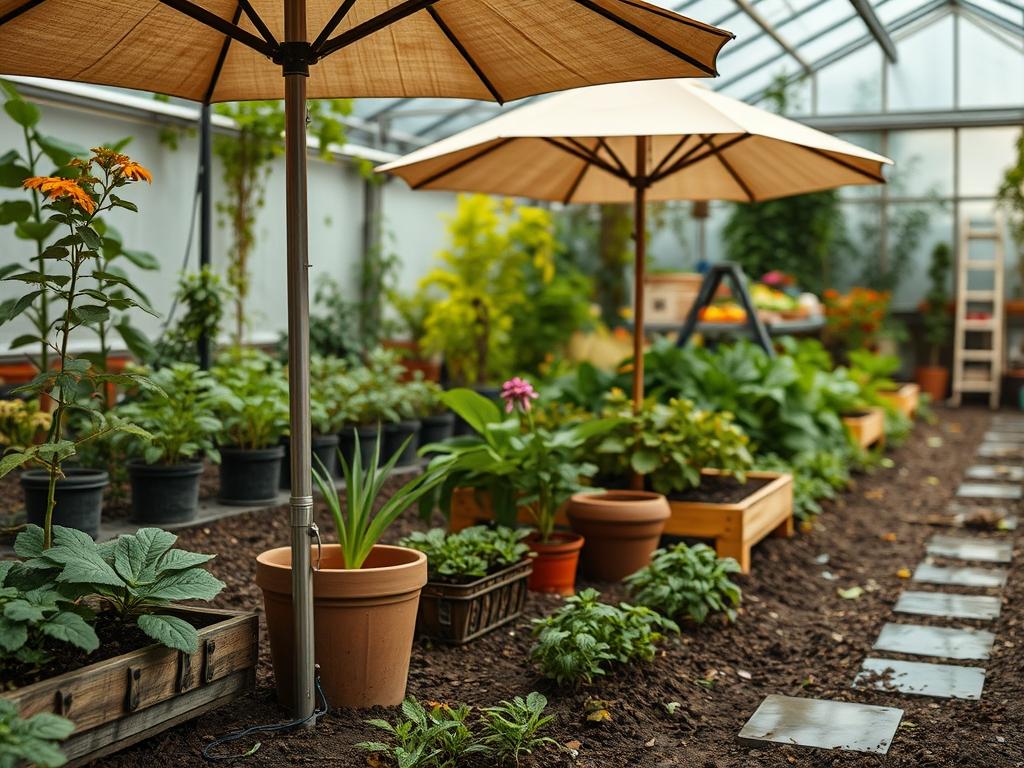
Transforming a residential landscape from a daytime retreat into a nighttime sanctuary requires a sophisticated understanding of both horticultural science and spatial engineering. While many homeowners spend thousands on flagstone patios and retaining walls, the functionality of these spaces often expires at sunset due to inadequate illumination. Integrating Backyard Umbrella Light Kits serves as a focal point for evening utility, bridging the gap between a decorative garden and an active outdoor living room. Effective lighting design must account for the specific climate of the region, ensuring that fixtures can withstand high humidity or sudden temperature shifts without compromising the electrical integrity of the system. Proper illumination increases the curb appeal of a property while simultaneously extending the hours of usable square footage available for social gatherings.
Designing an outdoor space that feels cohesive requires balancing the verticality of structural elements with the horizontal sprawl of groundcovers. When we introduce lighting beneath a large market umbrella, we are technically creating a secondary ceiling. This overhead glow must harmonize with the ambient light reflecting off limestone pavers or decomposed granite paths. From a consulting perspective, the transition between light and shadow defines the mood of the environment. If the umbrella light is too harsh, it creates a stark contrast that feels clinical; if it is too soft, the biological textures of the surrounding foliage are lost to the darkness. By strategically positioning lighting within the umbrella ribs, we anchor the seating area as the primary destination of the backyard layout.
Landscape Design Principles
Symmetry and visual balance dictate the success of any high-end exterior project. When installing Backyard Umbrella Light Kits, the umbrella itself often acts as a central axis for the furniture arrangement. We must consider the elevation layers of the garden. Low-level path lights provide safety along walkways, mid-level shrub lighting highlights the mid-range greenery, and the umbrella light provides the high-level task lighting necessary for dining or reading. This layering prevents a flat appearance and gives the backyard a three-dimensional depth that mimics professional restaurant terraces.
Irrigation planning is another critical pillar of professional design. It is essential to ensure that the placement of umbrellas and their accompanying electrical components does not interfere with the radius of pop-up sprinkler heads. Excessive moisture from an improperly aimed nozzle can lead to corrosion in cheaper lighting kits. Furthermore, we must evaluate the site’s drainage. An umbrella base sitting in a low spot can become a hub for stagnant water, which eventually damages both the base and any integrated wiring. We recommend a slight grade of two percent away from the central seating area to facilitate efficient runoff.
Plant and Material Selection
Selecting the right biological components to surround a lighted patio area is vital for long-term maintenance and aesthetic appeal. Plants placed near high-traffic seating zones should be resilient, non-obstructive, and capable of reflecting soft light.
| Plant Type | Sun Exposure | Soil Needs | Water Demand | Growth Speed | Maintenance Level |
| :— | :— | :— | :— | :— | :— |
| Lavandula angustifolia | Full Sun | Well-drained sandy | Low | Medium | Low |
| Buxus sempervirens | Full sun to part shade | Loamy | Moderate | Slow | Moderate (Pruning) |
| Festuca glauca | Full Sun | Dry to medium | Low | Fast | Low |
| Hydrangea macrophylla | Part Shade | Rich, moist | High | Medium | Moderate |
| Carex oshimensis | Shade to part sun | Consistently moist | Moderate | Medium | Low |
| Miscanthus sinensis | Full Sun | Adaptable | Low | Fast | Annual Cutback |
Materials used in the vicinity of the umbrella should be chosen for their thermal properties. Light-colored pavers reflect more light upward, enhancing the efficacy of the umbrella kit. Conversely, dark mulch or lava rock will absorb much of the downward light, creating a more intimate, albeit darker, atmosphere. We often suggest using river rock as a border material to provide a clean edge and superior drainage around the umbrella stand.
Implementation Strategy
The process begins with professional site grading. Before any furniture or lighting is installed, the terrain must be leveled to prevent the umbrella from tilting. A tilted umbrella not only looks disorganized but also creates uneven light distribution across the table surface. Once the hardscaping is set, we define the borders using metal edging or pro-grade plastic benders, which keeps the mulch depth at a consistent three inches. This depth is critical for moisture retention and weed suppression without suffocating the root zones of nearby ornamentals.
To install the Backyard Umbrella Light Kits, identify the pole diameter of your umbrella. Most kits utilize a spring-loaded clamp mechanism that fits poles ranging from 1.3 inches to 1.7 inches in diameter. Position the light kit high enough on the pole so that it does not interfere with the closing mechanism of the umbrella ribs. For corded models, we recommend buried conduit if the power source is across a lawn. For battery-operated units, ensure the batteries are fully charged and the housing is sealed against insects. The light should be aimed downward to minimize light pollution and to keep the glare away from the line of sight of seated guests.
Common Landscaping Failures
The most frequent mistake in backyard lighting and umbrella placement involves poor drainage. When a patio is installed without a proper sub-base of compacted gravel and sand, pavers can shift, causing water to pool at the base of the umbrella. This moisture can travel up the pole through capillary action, potentially short-circuiting the electronics in the light kit. Another common failure is root overcrowding. Planting large-growth trees too close to a patio slab will eventually lead to root heave, which can crack the masonry and make the umbrella base unstable.
Improper spacing of plant material also leads to maintenance nightmares. Homeowners often ignore the mature width of shrubbery, planting them too close to the seating area. As these plants grow, they encroach upon the umbrella’s canopy, making it difficult to open or close the unit. Additionally, soil compaction from foot traffic around the umbrella can lead to the decline of nearby turf. Utilizing stepping stones or flagstones within a mulch bed can direct traffic and protect the delicate root systems of the peripheral landscape.
Seasonal Maintenance
Maintenance requirements fluctuate with the changing seasons. In the spring, inspect the umbrella light for any damage caused by winter pests or freezing temperatures. This is also the time to apply a fresh layer of hardwood mulch and to check the irrigation timers. During the summer, focus on pruning any overhanging limbs that might brush against the umbrella during high winds, as this can dislodge the light kit or tear the fabric.
As autumn arrives, prioritize the removal of fallen leaves from the umbrella canopy. Wet leaves can stain the fabric and trap moisture against the lighting fixtures, leading to mold or mildew growth. In the winter, the most professional course of action is to remove the Backyard Umbrella Light Kits and store them in a climate-controlled environment. Low temperatures can significantly reduce the lifespan of lithium-ion batteries and cause plastic housings to become brittle and crack. By storing the lights and the umbrella during the harshest months, you ensure the longevity of your investment and keep the landscape looking pristine for the following spring.
Professional Landscaping FAQ
How many lumens are ideal for an umbrella light?
For dining and conversation, aim for 200 to 400 lumens. This provides enough visibility for tasks without overwhelming the natural ambiance of the night garden or causing significant glare for guests seated directly beneath the light source.
Can these light kits stay out in the rain?
Most professional kits are rated IP65 or higher, meaning they are water-resistant. However, during heavy storms or prolonged rainy seasons, it is best to remove them or ensure the umbrella is fully closed and covered to prevent water ingress.
What is the best way to hide extension cords?
For a professional look, use outdoor-rated cord covers that match your patio color. Alternatively, install a dedicated GFC outlet near the base of the umbrella or utilize rechargeable LED kits to eliminate the need for surface-level wiring entirely.
How do I prevent the light from attracting insects?
Select light kits with warm-toned LEDs or those between 2700K and 3000K on the Kelvin scale. Yellow or amber hues are significantly less attractive to nocturnal insects than the cool blue tones found in standard high-output white lights.
Will the light kit affect the umbrella warranty?
Most clamp-on kits do not void warranties because they require no permanent modification. However, always avoid drilling into the aluminum or wood pole. Use the provided clamps or Velcro straps to secure the device without damaging the structural integrity.