
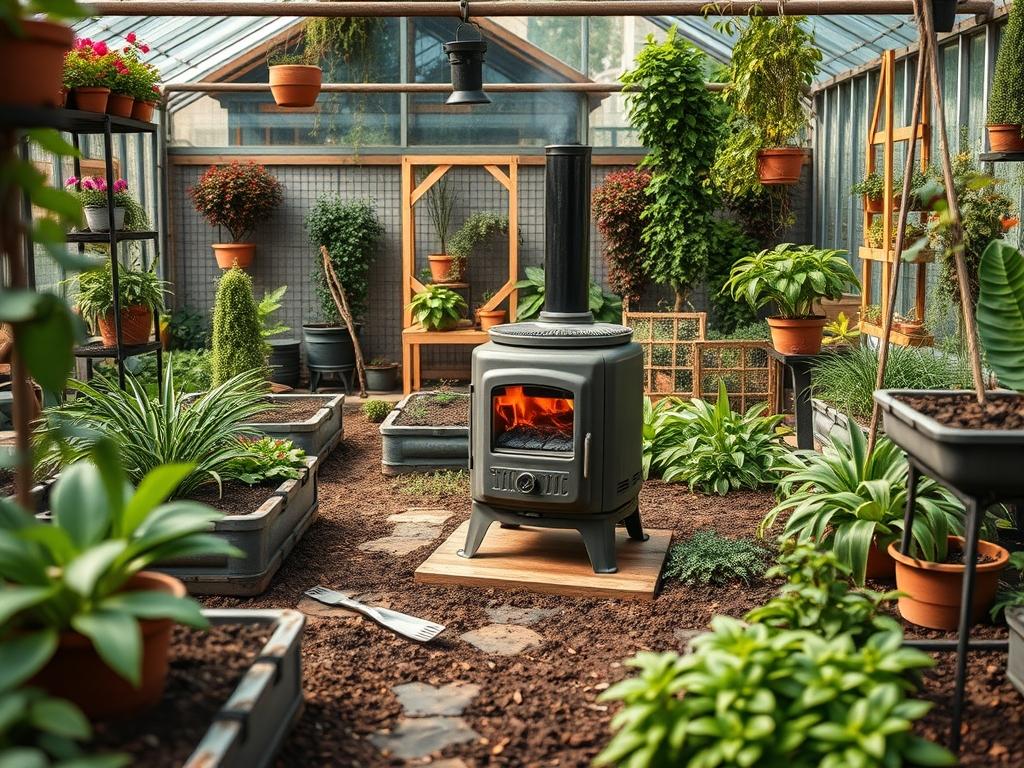
Transforming a residential landscape into a functional multi seasonal retreat requires a sophisticated approach to thermal integration. When homeowners explore various Backyard Outdoor Stove Ideas, they often focus solely on the aesthetic of the unit itself, yet the surrounding environment dictates the long term success of the space. A modern outdoor stove is not merely a decorative accessory; it serves as a structural anchor that influences movement, sightlines, and environmental comfort. Achieving a balance between the industrial lines of a contemporary stove and the organic fluidity of a garden requires careful planning of hardscaping and softscaping. The challenge lies in creating a transition that feels intentional rather than forced. A poorly placed stove can disrupt the flow of a yard, creating “dead zones” where air becomes trapped or smoke lingers near the main house. By considering local wind patterns, property boundaries, and the existing topography, a landscape architect can turn a simple heating element into the focal point of a luxury outdoor living suite. The goal is to maximize curb appeal while ensuring the backyard remains a high performance space for hosting and relaxation throughout the year.
Landscape Design Principles
Effective backyard design begins with the principle of focalization. A modern outdoor stove acts as a visual magnet, drawing the eye toward a specific destination within the landscape. To support this, designers use symmetry to create a sense of order. For example, flanking a central Flagstone hearth with identical Boxwood hedges creates a formal, structured atmosphere. Conversely, an asymmetrical layout using staggered retaining walls can offer a more relaxed, modern feel. Elevation plays a critical role here; placing the stove on a slightly raised platform, perhaps only 6 inches above the surrounding patio, distinguishes the “fire room” from the dining or traffic areas.
Visual balance is further achieved through the layering of materials. If the stove is constructed from dark, heavy Steel, the surrounding ground cover should provide a textural contrast. Using Pea gravel or lightweight concrete pavers can brighten the area and prevent it from feeling overly industrial. Walkways should be designed to lead guests naturally toward the warmth, utilizing 18-inch by 18-inch pavers spaced with Creeping Thyme to soften the transitions. Furthermore, irrigation planning is vital. You must ensure that drip lines are routed away from the immediate heat zone of the stove to prevent melting pipes or over saturating the soil near the structural base. Proper lighting, such as low voltage LED path lights, should illuminate these walkways without competing with the natural amber glow of the fire.
Plant and Material Selection
Selecting the right biological and mineral components is essential for a high heat environment. The following table outlines optimal choices for areas surrounding an outdoor stove.
| Plant or Material | Sun Exposure | Soil Needs | Water Demand | Growth Speed | Maintenance Level |
| :— | :— | :— | :— | :— | :— |
| Lavender | Full Sun | Well-drained | Low | Moderate | Low |
| Ornamental Grass | Full to Part Sun | Versatile | Moderate | Fast | Low |
| Blue Star Creeper | Part Sun | Moist/Rich | Moderate | Moderate | Moderate |
| River Rock | N/A | N/A | N/A | N/A | Very Low |
| Decomposed Granite | N/A | N/A | N/A | N/A | Low |
| Japanese Maple | Part Shade | Acidic/Loamy | Moderate | Slow | High |
Implementation Strategy
The successful execution of Backyard Outdoor Stove Ideas begins with site preparation and grading. You must ensure the ground has a 2 percent slope away from any structures to facilitate proper drainage. Once the area is leveled, the footprint for the stove and the surrounding “hearth zone” should be marked using marking paint. Excavate the area to a depth of at least 8 inches to allow for a proper foundation. The first layer should consist of 4 inches of compacted crushed stone, which provides a stable, non combustible base that resists shifting during freeze thaw cycles.
After the base is set, install edging made of aluminum or treated timber to define the boundaries between the stove area and the lawn. If you are installing a permanent masonry stove, this is the stage where gas lines or electrical conduits must be trenched and inspected. For the surface finish, laying natural stone or porcelain outdoor tiles adds a touch of elegance. Once the hardscaping is complete, apply a layer of landscape fabric in the planting beds to suppress weeds, followed by 3 inches of dark hardwood mulch. This mulch helps retain moisture for the surrounding plants while providing a clean, finished look. Finally, place the stove and test the airflow, ensuring that no overhanging branches from nearby Oak or Maple trees pose a fire hazard or obstruct the rise of smoke.
Common Landscaping Failures
One of the most frequent mistakes in backyard planning is the neglect of subsurface drainage. When a heavy outdoor stove is placed on soil without a proper gravel sub-base, the weight causes localized soil compaction. This leads to standing water, which can undermine the stove’s stability and cause the surrounding pavers to heave or sink. Another common error is root overcrowding. Homeowners often plant fast growing species too close to the heat source, forgetting that the radiant heat can desiccate foliage and cook the root systems. A minimum clearance of 5 feet is generally recommended for larger shrubs.
Improper spacing of walkways also ranks high among design failures. If a path leading to the stove is narrower than 36 inches, it creates a bottleneck that feels cramped and unsafe. Furthermore, irrigation inefficiencies often arise when pop-up sprinkler heads are positioned to spray directly onto a hot stove. This not only wastes water but can cause thermal shock to the metal or stone components, leading to cracks or rust. Lastly, failing to account for the prevailing wind direction can turn a beautiful Backyard Outdoor Stove Idea into a nuisance, as smoke may be driven directly into the home’s interior or toward a neighbor’s property.
Seasonal Maintenance
Landscape management is a year round commitment that changes with the telescope of the seasons. In the spring, the focus should be on inspecting the hardscaping for any shifts caused by winter frosts. Re-apply a fresh layer of mulch and prune any Ornamental Grasses that were left standing for winter interest. Use a Level to ensure the stove remains perfectly upright. As summer arrives, irrigation becomes the priority. Monitor the drip system to ensure plants near the stove are not suffering from heat stress, and clean the stove’s exterior with a wire brush or damp cloth to remove ash and soot accumulation.
Autumn requires a transition toward protection. Clear fallen leaves away from the stove daily using a leaf blower or rake, as dry debris represents a significant fire risk. This is also the time to apply a silicone-based sealer to any natural stone surfaces to protect them from moisture penetration. During the winter, if the stove is not in use, it should be covered with a high quality weatherproof tarp. For those who use their stove in the snow, keep a clear path shoveled using a plastic shovel to avoid scratching the pavers. Ensure that any nearby water lines are properly winterized or blown out to prevent burst pipes.
Professional Landscaping FAQ
What is the best base for a portable outdoor stove?
A stable, non combustible surface like compacted gravel, pavers, or decomposed granite is ideal. Avoid placing stoves directly on wooden decks or dry grass, as radiant heat can cause underlying damage or ignite a fire.
How far should plants be from a heat source?
Generally, maintain a clearance of at least 3 to 5 feet for low lying plants and significantly more for overhanging trees. Heat can cause leaf scorch and soil dehydration, leading to plant death even without direct flame contact.
Does a backyard stove increase property value?
Yes, integrated outdoor living features are highly sought after in modern real estate. A well designed stove area increases functional square footage and enhances the home’s appeal by creating a luxury outdoor destination for potential buyers.
What are the best low-maintenance materials for a hearth?
Porcelain pavers and natural basalt are excellent choices. These materials are incredibly dense, resisting stains from ash or wood sap, and they require minimal cleaning compared to softer stones like limestone or sandstone.
Should I install a permanent gas line for my stove?
If you plan to use the stove frequently, a permanent gas line offers unparalleled convenience and eliminates the need for wood storage. However, it requires professional installation and local permits to ensure safety and compliance with building codes.