
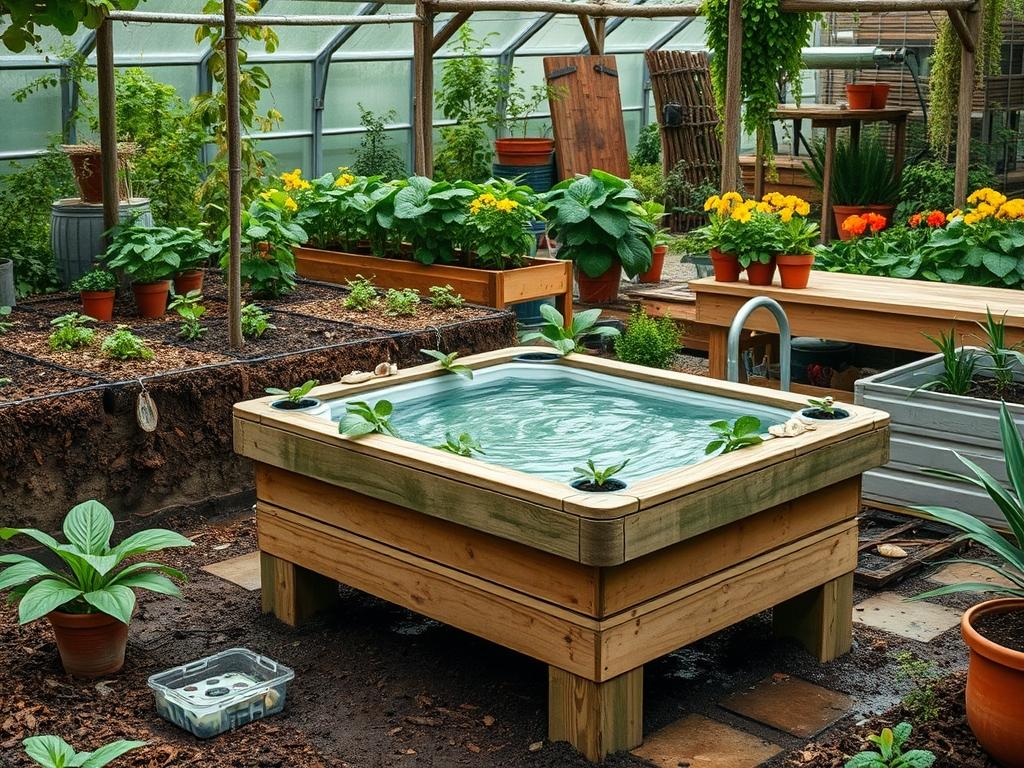
Designing a cohesive outdoor environment requires a delicate balance between high-end aesthetic appeal and the rugged realities of family life. When integrating Backyard Water Play Tables into a professional landscape plan, the primary challenge involves transitioning from formal garden elements to high-traffic utility zones without sacrificing the architectural integrity of the space. Homeowners often struggle with the temporary or modular nature of play equipment, which can detract from curb appeal if not anchored by thoughtful permanent features. Successful integration relies on understanding the microclimate of the site, including wind patterns that may accelerate evaporation and the movement of the sun which dictates the need for natural or structural shade. A well-placed water feature, even one designed for tactile play, should serve as a functional node within a larger circulation pattern. By applying the same rigorous standards to play areas as one would to a designer patio or a reflection pool, we transform a simple activity station into a sophisticated landscape asset that enhances the overall value and usability of the backyard.
Landscape Design Principles
Modern site planning for play-centric water features necessitates a sharp focus on symmetry and the deliberate use of focal points. A Backyard Water Play Tables installation should not be treated as an afterthought relegated to a random corner of the lawn. Instead, consider placing the unit on a central axis that aligns with interior sightlines, such as a large kitchen window or a sliding glass door. This ensures safety through visibility while maintaining a structured visual flow. Elevation layers play a critical role here; by setting the play area on a slightly raised plateau or a recessed terrace, you define the boundary of the “wet zone” without the need for unsightly physical barriers. This use of verticality helps organize the yard into distinct rooms, separating the active splash area from the quiet dining or lounging spaces.
Irrigation planning must also be adjusted to account for the increased moisture localized around the play equipment. While traditional zones may rely on a fixed schedule, the area surrounding Backyard Water Play Tables requires high-capacity drainage solutions to prevent the saturation of adjacent turf. Walkways leading to the table should utilize non-slip materials like flamed granite or textured porcelain pavers to ensure safety when feet are wet. Visual balance is achieved by mirroring the play table with a similarly scaled planter or architectural bench on the opposite side of the yard. This creates a sense of intentionality, making the play element feel like a permanent fixture of the master plan rather than a temporary addition. Utilizing low-voltage LED path lights around the perimeter can also define the space during twilight hours, providing a soft architectural glow that highlights the movement of water.
Plant and Material Selection
The following table identifies flora and hardscape materials that thrive near water-intensive zones. These selections prioritize durability and the ability to handle both occasional splashing and high-traffic conditions.
| Plant Type | Sun Exposure | Soil Needs | Water Demand | Growth Speed | Maintenance Level |
| :— | :— | :— | :— | :— | :— |
| Blue Flag Iris | Full Sun | Moist/Boggy | High | Moderate | Low |
| Carex Pensylvanica | Part Shade | Well-drained | Medium | Moderate | Low |
| Creeping Jenny | Full Sun/Part Shade | Moist | High | Fast | Moderate |
| Dwarf Fountain Grass | Full Sun | Well-drained | Low | Moderate | Low |
| Siberian Iris | Full Sun | Rich/Moist | Medium | Moderate | Low |
| River Birch (Dwarf) | Full Sun/Part Shade | Acidic/Moist | High | Fast | Moderate |
When selecting materials for the immediate landing area of Backyard Water Play Tables, prioritize permeability. River rocks in various sizes, ranging from 1-inch to 3-inch diameters, provide an excellent splash bed that allows water to return to the water table rather than pooling on the surface. For a softer foot-feel, permeable rubber mulch or engineered wood fiber at a depth of at least 6 inches provides the necessary impact attenuation for safety.
Implementation Strategy
The process begins with a rigorous site analysis and grading plan. To properly install Backyard Water Play Tables, the ground must be leveled using a vibratory plate compactor to ensure the base does not shift under the weight of water and active use. To begin, excavate the designated area to a depth of 8 inches. Install a geotextile fabric weed barrier to prevent soil migration and weed growth. Follow this with a 4-inch layer of crushed limestone aggregate, which provides a stable, self-draining sub-base.
Once the base is compacted, install heavy-duty aluminum edging to create a crisp border between the play zone and the surrounding lawn or garden beds. This prevents mulch or gravel from migrating into the grass mowers. For the surface layer, consider a mix of pea gravel and larger cobblestones to create a naturalistic stream-bed aesthetic. If the table requires a constant water supply, run a half-inch poly tubing line underground from the main irrigation manifold, controlled by a dedicated zone valve. This allows for automated filling and keeps the water fresh. Drainage is perhaps the most critical component. Install a 3-inch NDS catch basin directly beneath the table’s drain plug, connected to a 4-inch perforated PVC pipe that daylighting at a lower elevation or connects to a dry well. This infrastructure ensures that even during heavy use, the backyard remains dry and usable within minutes of play ending.
Common Landscaping Failures
The most frequent error in backyard planning is the “bathtub effect,” where an excavated area is filled with gravel but lacks a proper drainage outlet. In heavy clay soils, this creates a stagnant underground pond that can lead to foul odors and mosquito breeding grounds. Proper grading, ensuring a minimum 2 percent slope away from the home foundation, is non-negotiable. Another common failure is root overcrowding. Designing too close to existing mature hardwoods can lead to root rot if the play table consistently saturates the soil above the root flare.
Irrigation inefficiencies often occur when homeowners assume the splashing from the table will water nearby plants. In reality, the concentrated water volume from a play table can drown sensitive species while leaving others bone dry due to the “rain shadow” created by the table’s structure. Soil compaction is another silent killer of backyard aesthetics. High foot traffic around Backyard Water Play Tables can compress the soil, stripping it of the pore space necessary for oxygen to reach plant roots. To mitigate this, incorporate hardscape landing pads made of natural flagstone or steppers in high-use areas to distribute the weight of users and preserve the soil structure.
Seasonal Maintenance
Spring maintenance should focus on system integrity and soil health. Begin by checking all irrigation connections for leaks caused by winter freeze-thaw cycles. Apply a fresh 2-inch layer of cedar mulch to the surrounding garden beds to help regulate soil temperature and moisture. Summer requires daily attention to water hygiene. Empty the Backyard Water Play Tables after each use to prevent algae growth and the accumulation of debris. Every two weeks, scrub the surface with a mild biodegradable cleanser and a stiff-bristle nylon brush to remove biofilm.
As autumn approaches, clear fallen leaves from the drainage grates and catch basins immediately. Decomposing organic matter can quickly clog a 4-inch drainage line, leading to surface flooding during fall rains. For winterization, if you reside in a climate with freezing temperatures, the table should be thoroughly dried and stored in a garage or shed. If the unit is a permanent architectural feature, ensure all water lines are blown out with compressed air to prevent pipe bursts. Apply a thick layer of evergreen boughs or straw over the surrounding perennial beds to protect the root systems of moisture-loving plants like Siberian Iris from extreme cold.
Professional Landscaping FAQ
How do I prevent the play area from becoming a muddy mess?
Install a permeable sub-base using crushed stone and geotextile fabric. Ensure a perforated drain pipe directs excess water away from the site to a dry well or lower elevation point in the yard.
Which ground cover is safest for wet play areas?
Engineered wood fiber or poured-in-place rubber provides the highest safety rating. For a natural look, rounded pea gravel is excellent for drainage, though it requires frequent raking to maintain a consistent depth of 4 inches.
Can I place a water table on a wood deck?
Yes, provided the deck is treated with a high-quality waterproof sealant. Use a tapered drip tray beneath the table to catch splashes and direct them toward the deck’s gaps, preventing water from pooling against the house.
How do I choose plants that won’t die from overwatering?
Select obligate wetland species or riparian plants like Blue Flag Iris or Sweet Flag. These species are biologically adapted to “wet feet” and can process the high volume of water typical around play stations.
How can I make the water table look like part of the garden?
Incorporate the table into a hardscape “island” surrounded by a mix of ornamental grasses and river rocks. Use materials that match your existing patio, such as flagstone edging or matching brick pavers, to create visual continuity.