
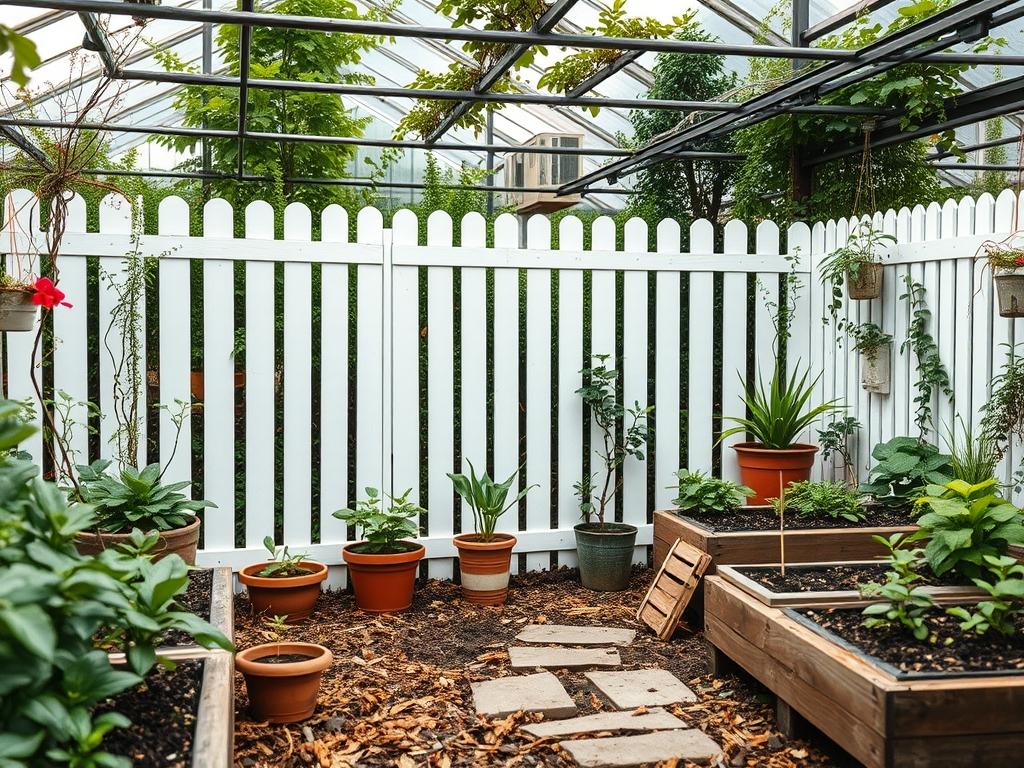
Creating a functional and aesthetically pleasing outdoor environment requires more than just a collection of plants; it demands a cohesive structural strategy that addresses privacy, durability, and maintenance. Homeowners often struggle with the degradation of traditional boundary materials like wood, which succumbs to rot, insect infestation, and UV damage within a decade. This is where Backyard PVC Privacy Fencing serves as a transformative element in modern landscape architecture. By establishing a permanent, high-contrast backdrop, this material allows architects to focus on the biological health of the garden rather than the constant repair of the enclosure. The primary goal of any landscaping project is to harmonize the built environment with the natural one, and selecting a low-maintenance perimeter is the first step toward achieving a sustainable outdoor living space. Climate considerations also play a pivotal role; in regions with high humidity or heavy rainfall, traditional materials warp and peel, whereas polyvinyl chloride remains tethered to its original dimensions and finish. This stability ensures that the curb appeal of a property remains consistent across seasons, providing a reliable frame for the varying textures and colors of the vegetation within.
Landscape Design Principles
When integrating Backyard PVC Privacy Fencing into a master plan, we adhere to the core principles of symmetry and visual balance. The fence acts as a neutral canvas, often available in white, tan, or wood-grain textures, which can either reflect light to brighten a shaded corner or provide a dark silhouette for bright floral displays. We utilize elevation layers to break up the verticality of a tall privacy screen. This involves placing taller specimens like Emerald Green Arborvitae or Skyrocket Juniper directly against the fence line, followed by mid-sized shrubs, and finally low-lying perennials at the front of the bed. This staggered approach prevents the fence from feeling like a monolithic wall and instead integrates it into a living tapestry.
Focal points are equally critical in large scale backyard planning. A long expanse of PVC panels can be punctuated with architectural elements such as a stone fountain or a high-quality wrought iron gate to provide a rest for the eyes. Irrigation planning is simplified with this material as well. Unlike wood, which suffers from moisture-induced decay when hit by sprinklers, PVC fencing is impervious to water. This allows for the placement of high-flow rotary nozzles close to the boundary without the risk of structural damage or staining. Furthermore, the clean lines of the fence facilitate the design of crisp walkways. Using natural flagstone or paver stones set in a polymeric sand base creates a sophisticated path that mirrors the linear precision of the fencing, establishing a sense of order and intentionality throughout the property.
Plant and Material Selection
The following table provides a selection of plant species that thrive when paired with the clean, reflective surfaces of Backyard PVC Privacy Fencing.
| Plant Type | Sun Exposure | Soil Needs | Water Demand | Growth Speed | Maintenance Level |
| :— | :— | :— | :— | :— | :— |
| English Boxwood | Full Sun to Part Shade | Well-drained, loamy | Moderate | Slow | Low |
| Limelight Hydrangea | Part Sun | Rich, moist soil | High | Fast | Medium |
| Phenomenal Lavender | Full Sun | Sandy, alkaline | Low | Moderate | Low |
| Karl Foerster Grass | Full Sun | Adaptable | Low to Moderate | Fast | Very Low |
| Nellie Stevens Holly | Full Sun to Part Shade | Acidic, well-drained | Moderate | Fast | Low |
| Japanese Forest Grass | Full Shade | Humus-rich | Moderate | Slow | Low |
Implementation Strategy
Executing a professional backyard layout begins with precise topography management. Before a single fence post is set, the site must be graded to ensure a minimum 2 percent slope away from the home foundation. This prevents water from pooling at the base of your hardscaping. Once the grade is established, we use a string line and laser level to mark the perimeter. For a PVC fence, it is vital to dig post holes to a depth of at least 36 inches, or below the local frost line, to prevent heaving during winter months. Each post should be secured with high-strength concrete and checked for plumbness.
After the structural boundary is secure, the garden beds are defined using steel edging or tumbled Belgian block. This creates a physical barrier that prevents turf grass from encroaching on the planting zones. We recommend a trenching depth of 4 inches for the edging to ensure root blockage. Inside the beds, we apply a geotextile fabric topped with 3 inches of hardwood mulch or decorative river rock. This layer suppresses weeds and retains soil moisture, further reducing the maintenance burden. For the best visual impact, we install a drip irrigation system beneath the mulch. This delivers water directly to the root zones of your Boxwoods and Hydrangeas, minimizing evaporation and keeping the white surface of the PVC fencing free from hard water spots and mineral buildup.
Common Landscaping Failures
One of the most frequent errors in garden planning is the neglect of proper drainage. Even though Backyard PVC Privacy Fencing is immune to water damage, the plants surrounding it are not. Failure to address low spots results in anaerobic soil conditions, which lead to root rot and the eventual death of expensive nursery stock. Another common pitfall is root overcrowding. Ambitious gardeners often plant Privet hedges or Leyland Cypresses too close to the fence line. As these plants mature, their secondary growth can put physical pressure on the fence pickets, potentially popping them out of the rails. Always research the mature width of a species and plant at a distance of at least half that width plus 12 inches from the fence.
Improper spacing also affects airflow. Dense foliage pinned directly against a surface creates a microclimate of high humidity, which encourages powdery mildew and fungal pathogens. By maintaining a gap of 18 inches between the fence and the mature drip line of the plants, you allow for adequate ventilation. Finally, many homeowners fail to account for soil compaction during the construction phase. Heavy machinery used to install the fence can crush the soil structure, making it difficult for new plants to establish roots. We recommend using a tiller or garden fork to aerate the planting beds and incorporating organic compost before final planting to restore soil vitality.
Seasonal Maintenance
The primary advantage of Backyard PVC Privacy Fencing is its minimal seasonal requirement, yet the surrounding landscape still demands a rhythmic care schedule. In the spring, the focus is on rejuvenation. This is the time to use a pressure washer on a low setting or a simple garden hose with biodegradable soap to remove any environmental soot or pollen from the fence panels. It is also the window for applying a pre-emergent herbicide to the beds and pruning any winter-damaged limbs from your Holly or Boxwood shrubs.
As summer arrives, maintenance shifts to hydration and deadheading. Check the irrigation timer to ensure it accounts for increased evaporation rates. If you have chosen PVC fencing in a darker shade, monitor the heat radiance; dark surfaces can become hot to the touch and may slightly stress nearby delicate foliage. In the autumn, leaf removal is the priority. Allowing damp leaves to pile up against the base of the fence won’t rot the PVC, but it provides a sanctuary for rodents and pests that may damage your ornamental plants. Finally, during winter, ensure that heavy snow is not piled directly against the fence rails by a snowblower, as the sheer weight can cause bowing. Use a soft-bristled broom to clear the tops of the panels if an ice storm occurs to maintain the structural integrity of the assembly.
Professional Landscaping FAQ
How does PVC fencing handle extreme temperature fluctuations?
Modern PVC fencing is engineered with impact modifiers and UV inhibitors. These chemical additives allow the material to expand and contract without becoming brittle in freezing temperatures or warping under the intense heat of the summer sun.
Will fertilizers or pesticides damage the finish of the fence?
No, high-quality polyvinyl chloride is chemically inert to most standard garden chemicals. While it is best to avoid direct overspray to prevent temporary film buildup, the material will not corrode or discolor when exposed to nitrogen-rich fertilizers.
Can I grow climbing vines directly on a PVC fence?
While the fence is strong, it is better to provide a separate cedar trellis or wire system. Heavy vines like Wisteria can add significant weight and may eventually distort the fence pickets if grown directly on them.
How do I remove stubborn organic stains like mold or algae?
A simple solution of white vinegar and water, or a specialized PVC cleaner, will remove organic growth. Unlike wood, where mold penetrates the grain, algae sits on the surface of PVC and wipes away with minimal effort.
Does white PVC fencing cause sun scorch on nearby plants?
Bright white surfaces reflect significant light. For shade-loving plants like Hostas, this reflected energy might be too intense. We recommend placing sun-tolerant species like Ornamental Grasses near white fences to take advantage of the extra light.