
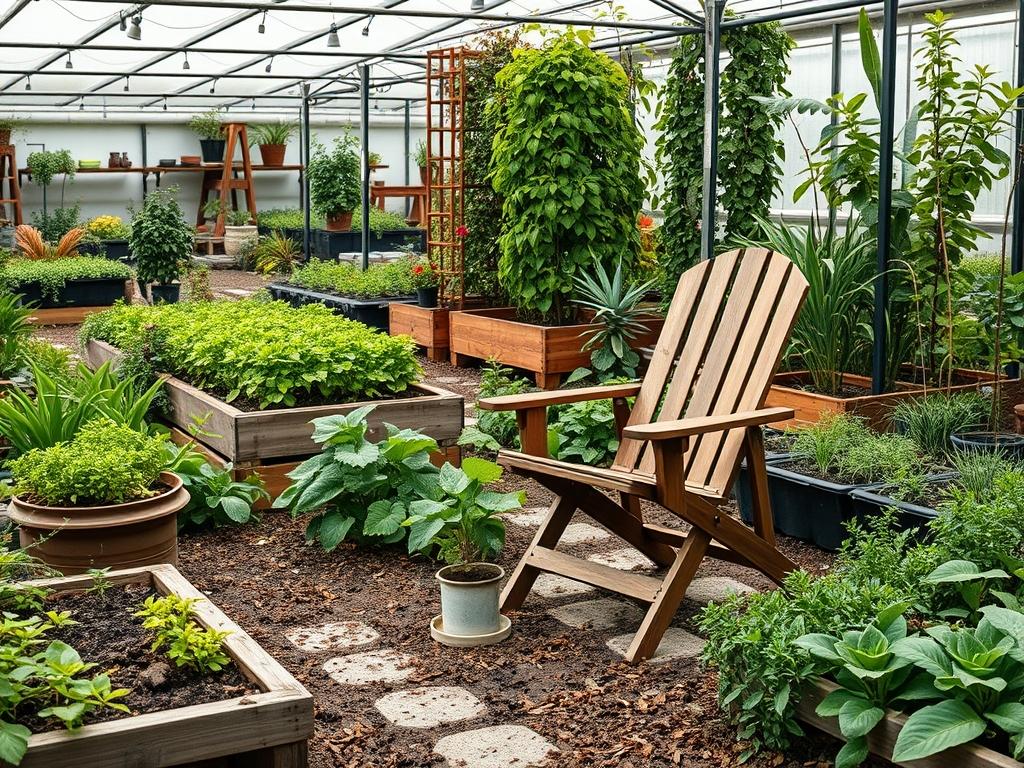
Designing a cohesive outdoor environment requires a sophisticated understanding of how structural elements and organic life interact within a defined space. When a homeowner or developer considers the final aesthetic of a property, the choice of movable assets plays a pivotal role in defining the utility of the landscape. High-quality Backyard Folding Deck Chairs are more than mere accessories; they are the functional anchors of a restful garden. The procurement of these pieces must be viewed through the lens of architectural integration, where the chair material, profile, and durability complement the surrounding topography. A well-planned backyard accounts for climate stressors such as high UV exposure, fluctuating humidity, and wind loads, all of which dictate whether a particular seating solution will endure or degrade. By prioritizing both the biological needs of the garden and the ergonomic requirements of the inhabitants, a landscape architect creates a seamless transition from the interior floor plan to the open sky. Curb appeal is significantly bolstered when seating areas are intentional and organized, signaling that the outdoor space is an expertly managed extension of the home rather than an afterthought.
Landscape Design Principles
Professional landscape design relies on the core tenets of balance, proportion, and transition to create a sense of place. Symmetry is often used to establish a formal atmosphere, where mirrored plantings of Japanese Boxwood flank a central axis leading to a dedicated lounge area. Within this framework, the placement of Backyard Folding Deck Chairs serves as a vital focal point. These chairs draw the eye through the garden, providing a destination that encourages movement across the lawn or patio. To enhance this visual journey, designers utilize elevation layers. By varying the height of the landscape through Retaining Walls and raised planters, you can create “outdoor rooms” that offer privacy and wind protection.
Inland or coastal, the success of these spaces depends heavily on irrigation planning and walkway construction. Walkways should be at least 36 inches wide to allow for comfortable passage, utilizing materials like Natural Flagstone or Permeable Pavers to mitigate runoff. Irrigation lines must be mapped out before any furniture is placed, ensuring that spray heads do not saturate the seating areas or damage the finish of the chairs. Visual balance is achieved by grounding light, airy furniture with denser plant groupings. If your seating area features slender metal frames, consider backing them with the architectural weight of Leatherleaf Viburnum or the soft, billowing texture of Ornamental Grasses.
Plant and Material Selection
Selecting the right biological and structural components is essential for a low-maintenance, high-impact environment. The following table outlines primary selections for a modern backyard retreat.
| Plant Type | Sun Exposure | Soil Needs | Water Demand | Growth Speed | Maintenance Level |
| :— | :— | :— | :— | :— | :— |
| English Lavender | Full Sun | Well-drained, sandy | Low | Medium | Moderate (Pruning) |
| Japanese Boxwood | Full to Part Sun | Loamy, moist | Moderate | Slow | High (Shearing) |
| Purple Fountain Grass | Full Sun | Adaptable | Low | Fast | Low |
| Japanese Maple | Part Shade | Rich, acidic | Moderate | Slow | Medium |
| Creeping Thyme | Full Sun | Gritty, poor soil | Low | Medium | Low |
Beyond flora, material selection for the hardscape must account for the weight and feet of the furniture. If you are selecting Backyard Folding Deck Chairs made of Grade A Teak, the underlying surface should be level to prevent racking of the chair frame. Decomposed Granite provides a rustic, stable base, while Thermally Modified Wood decking offers a contemporary look that resists rot and insect damage.
Implementation Strategy
The successful execution of a landscape plan begins with meticulous site preparation. First, the area must be graded to ensure a slope of at least 2 percent away from any permanent structures. This prevents water from pooling around the feet of your furniture or the foundation of the home. Once the grade is established, the use of Steel Edging or Paver Restraints defines the boundaries between turf and planting beds, providing a crisp line that enhances the overall aesthetic.
For the seating zones, excavate the soil to a depth of 6 inches and backfill with 4 inches of CR6 crushed stone, compacted firmly using a Power Plate Compactor. Top this with a 2 inch layer of bedding sand or fine gravel if installing pavers. When planting, ensure that the crown of each plant sits slightly above the soil line to prevent rot. A 3 inch layer of Hardwood Mulch should be applied across all beds, keeping the material away from the base of trunks and stems. This mulch layer retains moisture, suppresses weeds, and provides a clean backdrop for your Backyard Folding Deck Chairs. If your layout includes a fire pit or water feature, ensure that the clearance around the chairs is at least 48 inches to allow for safe movement and reclining.
Common Landscaping Failures
One of the most frequent errors in garden planning is the neglect of subsurface drainage. Failure to install a French Drain or a Dry Well in low-lying areas results in “wet feet” for plants and accelerated corrosion or rot for outdoor furniture. Even the most resilient Backyard Folding Deck Chairs will suffer if left in standing water. Another common mistake is root overcrowding. Planting a Leyland Cypress too close to a patio might look good for two years, but within a decade, the massive root system will heave the hardscape, creating trip hazards and uneven surfaces for seating.
Soil compaction is another silent killer of backyard aesthetics. High-traffic areas around seating zones often become compacted, preventing oxygen and water from reaching plant roots. Professional installers counter this by using Aeration Tools and incorporating Organic Compost to improve soil structure. Additionally, improper spacing of irrigation emitters often leads to “shadowing,” where large furniture items block water from reaching the plants behind them. Designers must account for the footprint of the furniture when mapping out the layout of the Automatic Drip System.
Seasonal Maintenance
A professional landscape requires a rhythmic maintenance schedule that evolves with the seasons. In the spring, the focus is on rejuvenation. This involves removing winter debris, applying a fresh layer of Slow-release Fertilizer, and checking the integrity of all hardscape joints. It is also the ideal time to inspect your Backyard Folding Deck Chairs for any wear, tightening hardware and applying a fresh coat of UV-rated Teak Oil or metal protectant.
As summer arrives, irrigation management becomes the priority. Monitor the moisture levels in the soil using a Soil Moisture Meter to ensure that heat-stressed plants receive adequate hydration during the early morning hours. Autumn is the season for “deadheading” perennials and preparing for dormancy. It is advisable to clean and store or cover your folding chairs before the first frost to prolong their lifespan. During the winter, focus shifts to structural maintenance. Remove heavy snow loads from evergreen branches using a soft broom to prevent limb breakage. If your landscape includes Natural Stone, check for heaving caused by the freeze-thaw cycle and plan for adjustments in the coming spring.
Professional Landscaping FAQ
What is the best ground surface for folding deck chairs?
A level, stable surface is essential. Permeable Pavers or a compacted Fine Gravel bed provide the best stability. Avoid placing chairs directly on soft turf, as this leads to soil compaction and uneven settling of the furniture legs.
How do I choose the best material for outdoor chairs?
Select materials based on your specific microclimate. Grade A Teak is excellent for moisture resistance, while Powder-coated Aluminum is superior for coastal areas where salt air corrodes other metals. Ensure all hardware is Stainless Steel to prevent rust streaks.
Can I leave my folding chairs outside all year?
While many professional-grade materials are weather-resistant, longevity is greatly increased by storing them during extreme winter months. If storage is not possible, use high-quality Breathable Furniture Covers to protect the finish from UV damage and moisture accumulation.
How do I prevent my patio from sinking under weight?
Sinking is usually caused by poor base preparation. Ensure you have a minimum of 4 inches of compacted Sub-base Stone beneath your finishing material. Proper drainage is also key to preventing the base from washing away over time.
How much space is needed for a comfortable seating group?
For a group of four Backyard Folding Deck Chairs, plan for a minimum diameter of 10 feet. This allows for the chairs, a central table, and at least 2 feet of circulation space behind each chair for easy ingress and egress.