
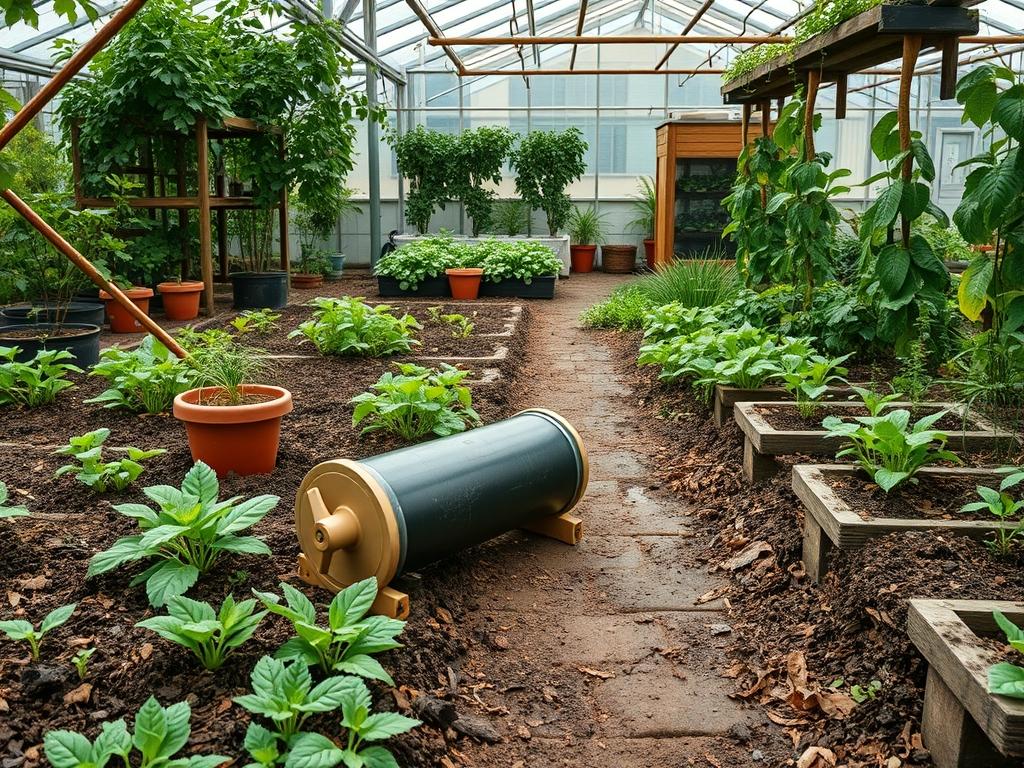
Securing a residential perimeter for feline companions requires a delicate balance between structural integrity and aesthetic harmony. When a homeowner decides to install Backyard Cat Fence Rollers, they are not merely adding a utility; they are modifying the vertical plane of their landscape. This modification must account for existing curb appeal and the overall functionality of the outdoor living space. A successful installation integrates the hardware into the fence line so seamlessly that it appears as an architectural detail rather than a makeshift barrier. Climate considerations play a significant role here as well. In regions with high humidity or coastal salt spray, hardware selection must prioritize corrosion resistance to prevent unsightly oxidation. Furthermore, the physical presence of the rollers can alter how light hits the garden beds below, potentially shifting the microclimate for shade-loving species. By viewing the cat containment system through the lens of a landscape architect, you ensure that the safety of the pet does not come at the expense of the garden’s visual tranquility.
Landscape Design Principles
Effective landscape design relies on the core tenets of symmetry, focal points, and elevation layers. When integrating Backyard Cat Fence Rollers, symmetry is achieved by ensuring the rollers maintain a consistent horizontal line across the entire perimeter, regardless of the undulating terrain below. If the ground elevation changes, the fence height should be stepped or graded to keep the rollers functioning at the optimal height. This consistency prevents the eye from being drawn to jagged transitions, which can disrupt the flow of the garden. Focal points, such as a large feature tree or a stone fountain, should remain the primary interest of the yard, while the fence rollers serve as a background frame.
Vertical layering is particularly important when working with fencing. In a well-planned garden, the fence acts as the final layer of the design. By planting tiered greenery in front of the fence, you can partially obscure the mechanics of the rollers while maintaining their efficacy. Incorporating walkways that run parallel to the fence allows for easy maintenance access, ensuring that you can reach the hardware to clear debris or check for smooth rotation. Visual balance is maintained by matching the color of the roller brackets to the fence material, whether it be stained cedar, powder-coated aluminum, or vinyl. Irrigation planning must also be precise, as moisture hitting the rollers frequently can lead to mineral buildup, which might eventually seize the spinning mechanism.
Plant and Material Selection
The following table provides recommendations for plants that complement a fenced perimeter without compromising the functionality of the cat rollers. These selections focus on species that do not provide easy climbing platforms for cats.
| Plant Type | Sun Exposure | Soil Needs | Water Demand | Growth Speed | Maintenance Level |
| :— | :— | :— | :— | :— | :— |
| Buxus sempervirens | Full to Partial | Well-drained | Moderate | Slow | Low |
| Lavandula angustifolia | Full Sun | Sandy/Gravelly | Low | Medium | Moderate |
| Miscanthus sinensis | Full Sun | Moist/Loam | Moderate | Fast | Low |
| Nepeta faassenii | Full to Partial | Average | Low | Fast | Low |
| Taxus baccata | Shade to Sun | Fertile/Moist | Moderate | Slow | High |
| Carex oshimensis | Partial to Shade | Consistent Moisture | High | Medium | Low |
For materials, use 304 Grade Stainless Steel fasteners to prevent rust streaks on the fence. The rollers themselves are typically constructed from anodized aluminum or UV-stabilized PVC to ensure they survive prolonged exposure to direct sunlight and temperature fluctuations.
Implementation Strategy
The implementation of Backyard Cat Fence Rollers begins with a thorough site analysis and grading check. Before any hardware is installed, you must ensure the fence is structurally sound. A wobbly fence will not support the tension and weight of a roller system over time. Start by measuring the entire perimeter with a 100-foot tape measure. Mark each post location, as the brackets for the rollers are typically mounted directly to the fence posts or the top rail.
If the backyard has significant elevation changes, you may need to perform minor grading at the base of the fence. This ensures that the distance from the ground to the top of the fence remains consistent, typically no less than 6 feet, to prevent the cat from jumping over the roller system entirely. Once the layout is clear, install the mounting brackets using a impact driver. Each bracket must be perfectly level; use a torpedo level or a laser level for accuracy.
When cutting the roller tubes to size, a miter saw with a fine-tooth blade will provide the cleanest edges. It is vital to leave a 0.25-inch gap between the end of the tube and the bracket to allow for thermal expansion during the summer months. After the rollers are seated, apply a non-toxic silicone lubricant to the internal bearings to ensure a silent, smooth spin. Finally, refresh the area around the fence with a 3-inch layer of hardwood mulch or decorative gravel. This prevents weed growth and provides a clean, professional finish to the installation.
Common Landscaping Failures
One of the most frequent mistakes in this type of installation is ignoring drainage patterns. If the soil at the base of the fence becomes saturated due to poor grading, the fence posts may heave or lean during a freeze-thaw cycle. This misalignment will cause the Backyard Cat Fence Rollers to bind or become ineffective. Soil compaction is another issue; if the ground is too hard, water will runoff and pool near the hardscaping, potentially rotting the bottom of wooden fence panels.
Root overcrowding is a botanical failure often seen near fence lines. Homeowners frequently plant large shrubs too close to the fence to hide the rollers, only to find that the roots eventually push against the fence footings, causing structural failure. Furthermore, improper spacing of the rollers can create gaps where a cat might find purchase. A gap larger than 2 inches is often enough for a determined animal to bypass the system. Lastly, irrigation inefficiencies, such as sprinkler heads spraying directly onto the rollers, can lead to premature failure of the spinning mechanism due to hard water deposits.
Seasonal Maintenance
Landscape management is a year-round commitment. In the spring, inspect the fence posts for any shifting caused by winter frost. Clear away any climbing vines, such as Hedera helix, that may have started to grow up toward the rollers. These vines can act as a ladder, defeating the purpose of the spinning barrier.
During the summer, check the tension of the rollers. High heat can cause certain materials to expand, potentially causing them to rub against the brackets. A quick application of lubricant ensures they continue to spin freely. In the autumn, the primary task is debris removal. Falling leaves and twigs can get caught in the roller mechanism, jams which will render them stationary.
Winter maintenance involves checking for ice buildup. In freezing climates, ice can lock the rollers in place. If this occurs, gently tap the rollers with a rubber mallet to break the ice bond. Do not use salt or chemical de-icers near the fence, as these will damage both the metal hardware and the health of the plants in your peripheral garden beds.
Professional Landscaping FAQ
What is the ideal fence height for cat rollers?
A minimum height of 6 feet is recommended. This height ensures that most cats cannot clear the roller in a single leap, forcing them to attempt to climb, which triggers the rolling mechanism effectively.
Can I install these on a chain-link fence?
Yes, but you must use specific u-bolt adapters to secure the brackets to the top rail. Ensure the chain-link fabric is taut, as any sagging can create an unstable base for the spinning rollers.
Will climbing plants interfere with the rollers?
Absolutely. You must maintain a 12-inch clearance between the top of any foliage and the bottom of the rollers. Plants like Clematis or Ivy should be pruned regularly to prevent them from reaching the hardware.
How do I clean the rollers without damaging my plants?
Use a mixture of warm water and a small amount of biodegradable dish soap. Use a soft-bristled brush to scrub the tubes, then rinse with a low-pressure garden hose, ensuring the runoff does not saturate sensitive root zones.
Do rollers require professional installation?
While a savvy homeowner can manage the task, a landscape professional ensures the fence is structurally sound and the rollers are perfectly leveled. Professional installation also guarantees that the system integrates aesthetically with the rest of your outdoor environment.