
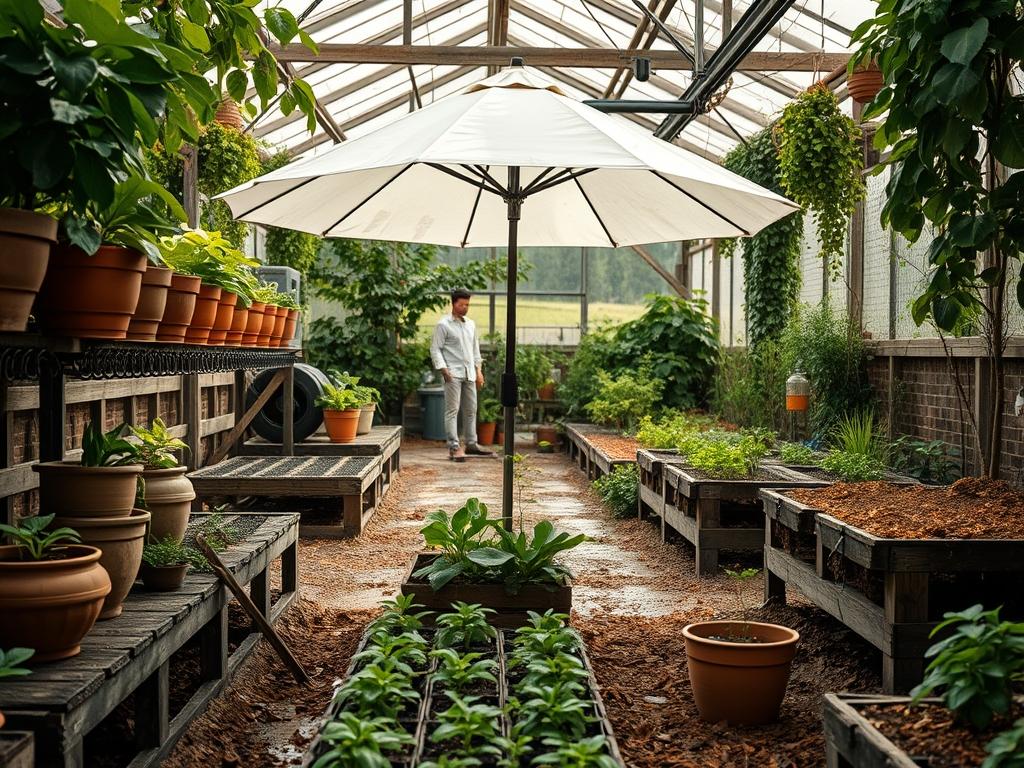
The outdoor living environment serves as a critical extension of the home architectural footprint, demanding the same level of structural integrity and aesthetic consideration as any interior space. High performance landscaping relies on a harmonious blend of softscape and hardscape elements to manage microclimates, enhance curb appeal, and provide functional zones for relaxation or entertainment. One of the most common challenges in residential backyard design involves the integration of shade structures, specifically the versatile market umbrella. While these mobile structures provide essential UV protection and architectural verticality, they are frequently subject to mechanical wear and environmental degradation. A broken or weather worn shade element transforms a sophisticated patio into a space that looks neglected, significantly diminishing the overall landscape value. Mastering Backyard Umbrella Repair Tips is not merely a matter of thrift; it is a core component of outdoor environment preservation. When a cantilever or center pole umbrella fails, it disrupts the visual symmetry of the seating area and renders the space unusable during peak solar hours. Effective repair and maintenance ensure that these focal points remain durable throughout shifting seasons.
Landscape Design Principles
Professional landscape architecture prioritizes the concepts of symmetry and visual balance to guide the eye through an outdoor transition. A well designed backyard utilizes focal points, such as a central dining table protected by a high quality umbrella, to anchor the surrounding beds and pathways. Elevation layers are equally important. By varying the heights of plantings from Groundcover to Mid-story Shrubs and Overstory Trees, a designer creates a sense of enclosure. The backyard umbrella acts as a synthetic canopy within this hierarchy, mimicking the shade of a deciduous tree without the long term growth requirement.
Irrigation planning must be integrated into the initial design phase to prevent water from pooling near hardscape foundations or umbrella anchors. If you are using a permanent in ground sleeve for your shade structure, ensure the area is graded at a 2 percent slope away from the mounting point. This prevented moisture from infiltrating the base and causing premature rust or wood rot. Walkway orientation should also consider the shadow path cast by the umbrella at different times of the day. A properly positioned shade source improves the thermal comfort of stone surfaces, which can otherwise reach temperatures exceeding 120 degrees Fahrenheit in direct summer sun. By aligning the umbrella with the path of the sun, you maximize the utility of the surrounding hardscape.
Plant and Material Selection
Selecting the right botanical elements requires an understanding of the local USDA hardiness zone and the specific drainage characteristics of your site. Below is a selection of high performance plants often used to complement professional outdoor living spaces.
| Plant Type | Sun Exposure | Soil Needs | Water Demand | Growth Speed | Maintenance Level |
| :— | :— | :— | :— | :— | :— |
| English Lavender | Full Sun | Well-drained Sandy | Low | Moderate | Low |
| Japanese Maple | Partial Shade | Loamy / Acidic | Moderate | Slow | Medium |
| Dwarf Boxwood | Full to Part Sun | Rich / Well-drained | Moderate | Slow | High (Trimming) |
| Switchgrass | Full Sun | Varied / Tolerant | Low | Fast | Low |
| Hydrangea | Partial Shade | Moist / Organic | High | Moderate | Medium |
| Blue Star Creeper | Full to Part Sun | Consistent Moisture | Moderate | Fast | Low |
In addition to plant life, material selection for repair and construction is paramount. For umbrella maintenance, always opt for Marine Grade Stainless Steel fasteners and Solution-Dyed Acrylic fabrics like Sunbrella. These materials resist the corrosive effects of humidity and UV radiation, ensuring that your repairs last as long as the landscape itself.
Implementation Strategy
The successful implementation of a backyard layout begins with a comprehensive site analysis. Start by marking your primary utility lines to avoid interference with any deep-set anchors or irrigation pipes. Grading is the next priority; use a Transit Level to ensure the ground falls away from the home foundation. For areas designated for shade, consider the installation of a Paver Base consisting of 4 inches of Compacted Gravel topped with 1 inch of Bedding Sand. This provides a stable, level surface for heavy umbrella weighted bases, which can weigh upwards of 100 pounds.
When addressing Backyard Umbrella Repair Tips during the setup phase, focus on the mechanical assembly. If the lift string is frayed, replace it with a High-Tensile Polyester Cord. Thread the cord through the internal pulley system using a Wire Lead or Fish Tape. If the ribs are bent due to a wind event, they can often be straightened using a Rubber Mallet and a flat anvil surface, provided they are made of hollow aluminum. For fiberglass ribs, replacement is usually the only safe option to maintain structural tension. Edging the surrounding garden beds with Steel or Aluminum Landscape Edging creates a clean transition between the turf and the patio, preventing mulch from migrating onto the umbrella base. Finally, apply a UV-Protective Spray to the canopy fabric annually to maintain color fastness and water repellency.
Common Landscaping Failures
The most frequent mistake in backyard planning is the neglect of proper drainage, which leads to soil saturation and the eventual failure of hardscape elements. When water collects near a patio, it can destabilize the footing of a cantilever umbrella, causing it to lean or tip dangerously. Another common issue is root overcrowding. Planting large trees too close to a patio can result in root heave, which cracks pavers and creates an uneven surface for furniture. Always research the mature root spread of any species before installation.
Improper spacing of plants often leads to poor air circulation, encouraging fungal growth on both the foliage and nearby outdoor fabrics. If an umbrella is positioned too close to densely packed shrubbery, the lack of airflow can cause mildew to form on the Canvas Canopy. Soil compaction is another silent failure; heavy foot traffic around the shade area compresses the earth, preventing oxygen from reaching plant roots. Use Stepping Stones or Decomposed Granite Paths to direct traffic and protect the soil structure. Lastly, irrigation inefficiencies, such as over-spraying onto furniture and umbrellas, lead to mineral deposits and staining. Adjust your Popup Sprinkler Heads to ensure the water stays on the lawn and away from your textile investments.
Seasonal Maintenance
Maintaining a professional landscape requires a calendar based approach to care. In the spring, focus on cleaning and inspection. Unfold your backyard umbrella and check for nests or debris gathered during the winter. Wash the fabric with a mixture of Mild Soap and Lukewarm Water using a Soft Bristle Brush. Apply a Silicone-Based Lubricant to the crank mechanism and tilting joints to ensure smooth operation during the upcoming heat.
Summer maintenance involves monitoring the tension of the canopy. High temperatures can cause materials to expand, so ensure the Top Finial is securely tightened to prevent the fabric from flapping in the wind. In the autumn, as deciduous trees begin to shed, clear leaves from the umbrella canopy immediately. The tannins in fallen leaves can permanently stain the fabric if allowed to get wet. Winter is the time for storage. Remove the umbrella from its base, wrap it in a Breathable Protective Cover, and store it horizontally in a dry area like a garage or shed. Avoid storing umbrellas upright in corners where rodents might seek shelter. For the plants, apply a 3-inch layer of Hardwood Mulch to insulate roots against the freeze-thaw cycle.
Professional Landscaping FAQ
How do I fix a broken string in my market umbrella?
Open the housing near the crank and remove the old cord. Thread a new 3mm Braided Nylon Cord through the pulleys and the center pole. Secure the ends with a Double Overhand Knot and reassemble the crank mechanism carefully.
What is the best way to patch a tear in umbrella fabric?
Clean the area with Isopropyl Alcohol. Use a Patch Kit made of matching acrylic fabric and a Marine-Grade Adhesive. Apply the patch to the underside of the canopy to maintain a clean appearance while ensuring a watertight seal.
How can I stabilize an umbrella in high wind?
Ensure the base weight meets the manufacturer requirements, typically 50 to 75 pounds for table-contained units. For freestanding umbrellas, use a 120-pound Base. Always close the canopy when wind speeds exceed 15 miles per hour to prevent structural failure.
Can a rusted umbrella pole be repaired?
Sand the affected area with 120-Grit Sandpaper until the bare metal is exposed. Apply a Zinc-Rich Primer followed by a High-Quality Enamel Spray Paint. This process halts oxidation and restores the aesthetic finish of the frame, extending its lifespan.
How do I prevent my umbrella from fading?
Rotate the umbrella regularly to ensure even sun exposure. More importantly, treat the fabric with a Fluoropolymer-Based Fabric Protector every season. This creates a barrier against UV rays and helps the material shed water and environmental pollutants more effectively.