
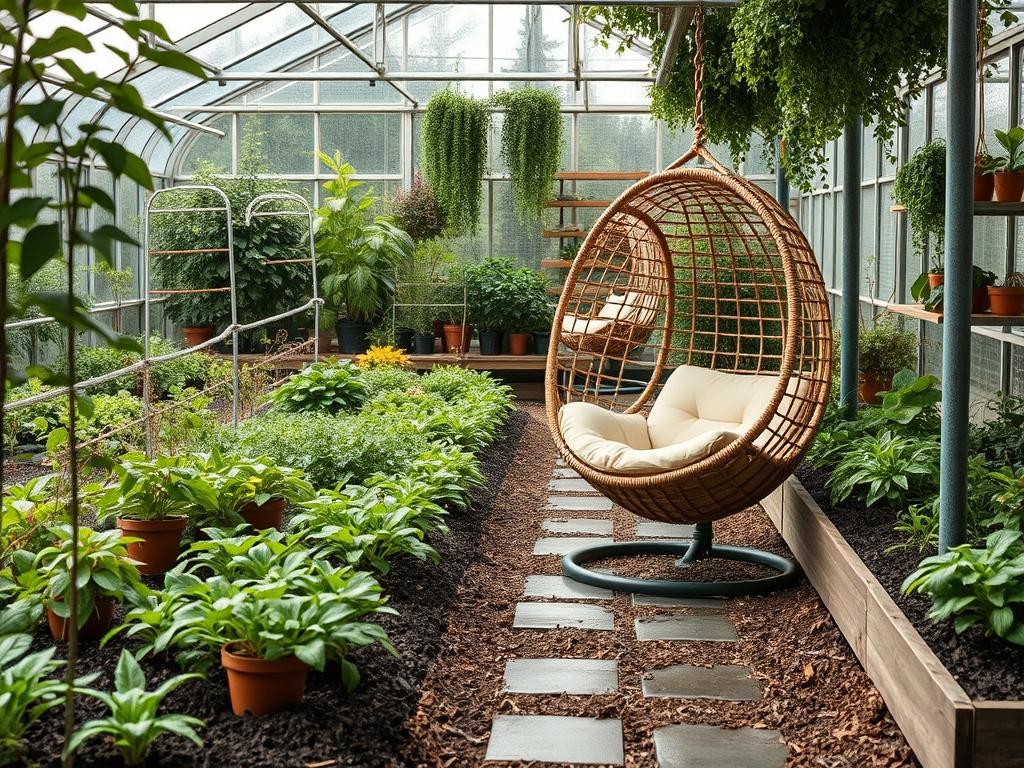
The integration of backyard hanging egg chairs requires more than just a firm patch of grass or a steady branch. As a central design anchor, these pieces of furniture function as structural focal points that bridge the gap between interior comfort and exterior architecture. When planning a modern landscape, the primary challenge lies in the transition between the fluidity of the garden and the rigid lines of the home. A hanging chair serves as a transitionary object, offering a sense of enclosure while remaining exposed to the environment. To achieve true aesthetic cohesion, one must consider the microclimate of the intended site, the structural integrity of the suspension system, and the overarching flow of foot traffic. A misplaced chair can disrupt the natural movement of a yard, whereas a strategically positioned one enhances the overall functionality and increases the perceived value of the outdoor living space. Proper placement involves analyzing sightlines from inside the house to ensure the chair contributes to the curb appeal and backyard allure even when not in use.
Landscape Design Principles
Successful styling begins with the principle of visual balance. Because backyard hanging egg chairs possess significant verticality and visual weight, they must be offset by lower, horizontal elements to prevent the space from feeling cluttered. Symmetry often provides a formal, structured feeling, such as placing a pair of chairs flanking a central fire pit or water feature. Alternatively, an asymmetrical approach works best in naturalistic, woodland style gardens where the chair is tucked into a private corner to create a “prospect and refuge” effect. This psychological concept suggests that humans feel most relaxed when they have a protected back and a clear view of their surroundings.
Elevation layers are another critical consideration for the landscape architect. Placing a chair on a raised wooden deck or a slightly elevated stone plinth can define it as a specific zone, separate from the rest of the garden. This change in height helps with drainage and prevents the base of a metal stand from sitting in standing water. Irrigation planning must also be adjusted around the chair to avoid spraying the occupant or the hardware. Furthermore, the use of walkways is essential to prevent the surrounding turf from becoming compacted or muddy. A path of flagstone pavers or decomposed granite leads the eye to the chair, signaling it as a destination within the landscape.
Plant and Material Selection
Selecting the right flora and hardscape materials ensures the chair feels integrated into the ecosystem rather than plopped onto it. The following table outlines plants that complement the textures of woven egg chairs while thriving in common backyard conditions.
| Plant Type | Sun Exposure | Soil Needs | Water Demand | Growth Speed | Maintenance Level |
| :— | :— | :— | :— | :— | :— |
| Japanese Forest Grass | Partial Shade | Humus-rich | Medium | Moderate | Low |
| Star Jasmine | Full Sun/Part Shade | Well-drained | Moderate | Fast | Moderate |
| Mexican Feather Grass | Full Sun | Sandy/Poor | Low | Moderate | Low |
| English Lavender | Full Sun | Alkaline/Gritty | Low | Moderate | Moderate |
| Blue Oat Grass | Full Sun | Well-drained | Low | Slow | Low |
| Creeping Thyme | Full Sun | Sandy | Low | Fast | Low |
For materials, use 3-inch deep cedar mulch to suppress weeds around the base of the chair. If the chair is mounted to a permanent structure like a pergola, ensure the wood is treated or use powder-coated steel for longevity.
Implementation Strategy
The implementation of a hanging chair zone starts with grading and site preparation. Begin by identifying a level area at least 8 feet by 8 feet to allow for the chair’s natural sway and safe ingress. If the site is sloped, you must install a small retaining wall or level the ground using a cut and fill method to ensure the stability of the stand or the overhead structure. Once the site is level, address the drainage. Excavate 4 inches of soil and replace it with a layer of compacted crushed stone or 3/4-inch gravel. This prevents water from pooling under the chair, which can lead to rust on the frame or rot in wooden components.
Next, consider the edging. Define the chair’s footprint using metal landscape edging or cobblestone borders. This keeps your mulch or pea gravel contained and prevents the surrounding lawn from encroaching. If you are hanging the chair from a tree, consult an arborist to ensure the limb is healthy and can support a static and dynamic load of at least 350 pounds. For those using a stand, place it on a firm surface like interlocking pavers or a poured concrete pad. Finally, layer your plantings. Place taller screens like clumping bamboo or privet behind the chair for privacy, and use low-profile groundcovers like creeping thyme at the feet of the chair to soften the hard edges of the base.
Common Landscaping Failures
Failure in these projects often stems from a lack of foresight regarding drainage. When a chair is placed directly on top of turf, the high-traffic area beneath the seat quickly becomes a compacted mud pit where grass cannot grow. This compaction prevents oxygen from reaching the roots of nearby plants and causes runoff issues. Another frequent mistake is improper spacing. Designers often forget to account for the “swing zone,” leading to chairs that hit nearby walls, fences, or delicate shrubs.
Irrigation inefficiencies also plague many DIY installations. If you place a hanging chair directly in the path of a sprinkler head, the cushions will remain damp, leading to mold and mildew. Furthermore, many homeowners fail to account for the root systems of existing trees. Excavating too close to a tree or compacting the soil over its critical root zone can kill the very plant you are trying to use for shade. Always maintain a respectful distance from the trunk of established trees to avoid structural damage over time.
Seasonal Maintenance
Landscape management is a year-round commitment. In the spring, inspect the hanging hardware for signs of wear, rust, or tension fatigue. This is also the time to apply a fresh 2-inch layer of mulch and prune back any winter-damaged foliage that might scrape against the chair. During the summer, monitor the irrigation to ensure that the surrounding plants are getting enough water, as reflecting heat from a stone patio can increase the transpiration rate of nearby shrubs.
Autumn requires the removal of leaves and organic debris from the weave of the chair and the ground below. Decomposing leaves can stain stone pavers and create a slippery surface. As winter approaches, if you live in a climate with heavy snow or ice, it is best to remove the chair basket and store it in a dry area. For permanent stands, a waterproof cover is recommended. If the chair stays out, ensure any retaining walls or hardscaping joints are checked for frost heave, which can unlevel your seating area and create a tipping hazard.
Professional Landscaping FAQ
What is the best ground cover for under an egg chair?
Pea gravel or decomposed granite are ideal because they provide excellent drainage and do not compact under heavy foot traffic. These materials prevent mud and allow water to percolate into the soil, protecting both the chair and the landscape.
How much clearance is needed for a hanging egg chair?
You should maintain a minimum of 3 feet of clearance on all sides of the chair. This prevents the occupant from hitting nearby structures or plants and ensures there is enough room for the natural movement and swaying of the seat.
Can I hang an egg chair from a pergola beam?
Yes, provided the beam is structural and rated for the weight. Ensure you use heavy-duty eye bolts and verify that the beam is properly anchored to the posts to handle the dynamic force generated when someone sits down.
How do I prevent weeds from growing around the chair base?
Install a high-quality geotextile landscape fabric beneath your gravel or mulch layer. This creates a physical barrier that prevents weed seeds from reaching the soil while still allowing water to pass through, maintaining your drainage system’s efficiency.
Which plants offer the best privacy for a hanging chair?
Clumping bamboo, Tall Arborvitae, or Star Jasmine on a trellis provide excellent vertical screening. These species grow densely and at heights that shield the occupant from neighbors, creating a secluded retreat within a larger backyard environment.