
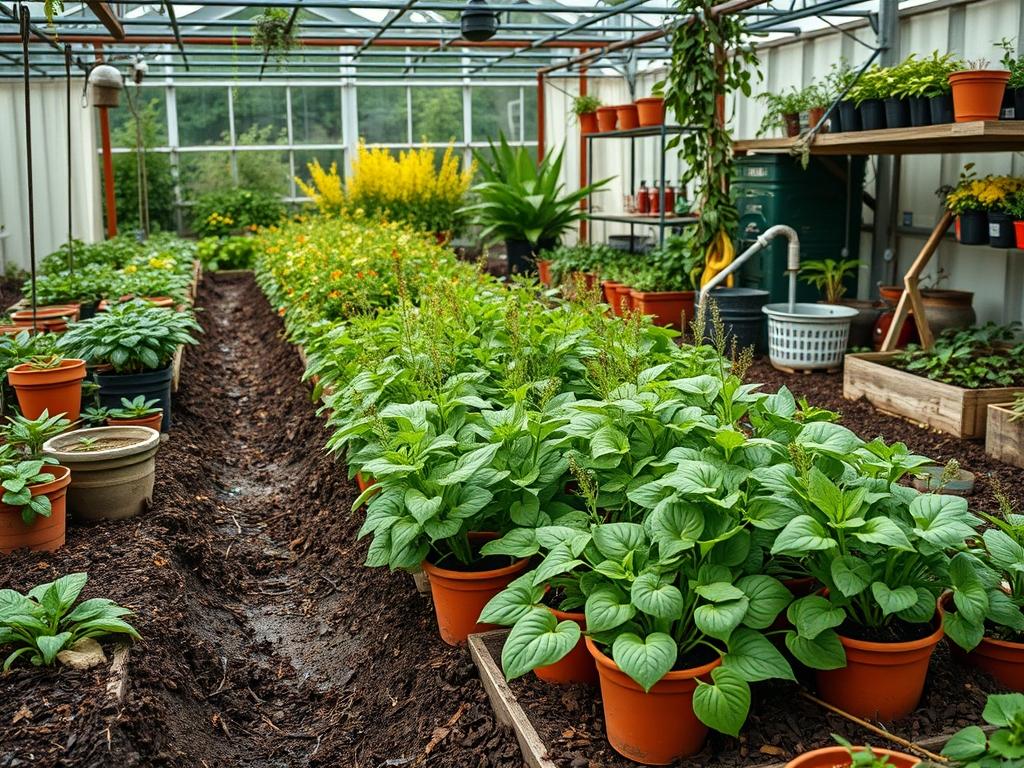
Designing a resilient outdoor environment requires a sophisticated balance between aesthetic luxury and biological defense. For the modern homeowner, the challenge is not simply to create an attractive curb appeal but to engineer a landscape that serves as a functional barrier against pests. Ticks, in particular, represent a significant landscaping hurdle because they thrive in the transition zones between manicured lawns and wooded perimeters. As a landscape architect, I view the selection of Backyard Tick Control Plants not just as a horticultural choice but as a structural component of a comprehensive environmental management plan. Incorporating these plants into a cohesive design allows us to manipulate the microclimate of the yard, making it less hospitable to arachnids while simultaneously increasing the property value through nuanced textures and aromatic profiles.
The success of any landscape project hinges on understanding the local climate and the specific site conditions, such as soil pH, light exposure, and natural drainage patterns. When we integrate pest-repellent flora, we are essentially creating an olfactory fence. Many of these species produce essential oils like menthol, eucalyptol, and pyrethrin, which are naturally offensive to ticks. However, a haphazard installation will fail to achieve the desired effect. The goal is to maximize the utility of the outdoor living space by creating safe zones where families can congregate without the constant threat of tick-borne illnesses. This involves a strategic approach to elevation, irrigation, and material selection that ensures the yard remains a dry, sunny, and well-ventilated sanctuary.
Landscape Design Principles
Effective landscape architecture relies on the mastery of spatial organization. To implement a successful tick-prevention strategy, we must utilize the principle of transition zones. A professionally designed yard should feature a clear 3-foot wide buffer zone of wood chips, gravel, or hardscaping between the lawn and any wooded areas. This creates a dry physical barrier that ticks are reluctant to cross. Within this structural framework, focal points such as stone fire pits or statuary should be placed in high-sun areas, as ticks thrive in shade and moisture.
Symmetry and visual balance are achieved by layering plants according to their mature height. In a tick-conscious design, we place lower-growing repellent herbs like Sage or Thyme near the edges of walkways and patios. Taller species, such as Lemongrass or Eucalyptus, can be used as vertical accents or screens. This layering creates elevation layers that draw the eye upward while keeping the ground-level environment airy and dry. Irrigation planning is equally critical; we must avoid overhead watering that keeps foliage damp for extended periods. Instead, using drip irrigation systems ensures that water reaches the roots directly, maintaining plant health without increasing ambient humidity at the soil surface.
Plant and Material Selection
The following table outlines the technical specifications for the top-performing species used in professional tick-control landscaping.
| Plant Type | Sun Exposure | Soil Needs | Water Demand | Growth Speed | Maintenance Level |
| :— | :— | :— | :— | :— | :— |
| Lavender | Full Sun | Well-drained, Sandy | Low | Moderate | Low (Prune annually) |
| Rosemary | Full Sun | Rocky, Loamy | Low | Moderate | Medium (Shaping) |
| Chrysanthemums| Full Sun | Rich, Moist | Moderate | Fast | Medium (Deadheading) |
| Lemongrass | Full Sun | Loamy, Clay | High | Very Fast | Low (Overwintering) |
| Garlic | Full Sun | Organic, Loose | Moderate | Fast | Low (Harvesting) |
| Sage | Full Sun/Part | Dry, Sandy | Low | Moderate | Low (Light pruning) |
| Peppermint | Part Shade/Sun | Moist, Rich | High | Rapid | High (Invasive control) |
| Catnip | Full Sun/Part | Average, Dry | Low | Fast | Medium (Spreading) |
| Wormwood | Full Sun | Poor, Dry | Very Low | Moderate | Low (General upkeep) |
| Eucalyptus | Full Sun | Well-drained | Moderate | Fast | Medium (Tree care) |
Implementation Strategy
Implementing a professional garden layout begins with grading. To prevent ticks, the ground must slope away from high-traffic areas at a minimum of 2 percent grade to ensure proper drainage. Standing water is the enemy of a tick-controlled yard. Once the grade is established, we install geotextile fabric beneath any hardscaping or mulch zones to suppress weeds and maintain the integrity of the soil structure.
For the planting beds, use a spade shovel to create clean trench edging. This deep edge prevents grass from encroaching into the repellent plant zones and provides a professional, finished look. When applying mulch, a depth of exactly 3 inches is the industry standard. Too much mulch can trap moisture and harbor pests, while too little fails to suppress weeds and retain necessary root moisture. In areas with high tick pressure, I recommend using cedar mulch, as the natural oils in the wood provide an extra layer of repellent properties.
Hardscaping elements, such as natural stone pavers or crushed granite paths, should be used to bisect larger lawn areas. These paths should be at least 4 feet wide to ensure people can navigate the yard without brushing against vegetation where ticks may be questing. If the property has significant slopes, retaining walls constructed from limestone or pressure-treated timbers can help manage erosion while creating distinct, manageable planting tiers.
Common Landscaping Failures
The most frequent mistake in pest-resilient design is improper spacing. Homeowners often plant for immediate impact, forgetting that Lavender or Rosemary will double or triple in size within two seasons. This leads to root overcrowding and poor air circulation, which creates the humid, shaded environments that ticks prefer. Always consult the mature spread measurements before digging.
Another critical failure is drainage inefficiency. If a yard has a perched water table or heavy clay soil, water will collect in the root zones. This not only stresses the plants but also invites moisture-loving pests. Installing a French drain or a dry creek bed can redirect excess runoff and keep the environment arid. Furthermore, soil compaction is often overlooked. In high-traffic areas, compacted soil prevents water from infiltrating, leading to surface runoff and soggy patches. Use a core aerator annually to ensure the soil remains porous and healthy.
Seasonal Maintenance
Landscape management is a year-round commitment. In the Spring, the focus is on pruning dead growth from the previous year to encourage new, fragrant shoots. This is the time to apply a balanced 10-10-10 fertilizer to perennials and refresh the 3-inch mulch layers. Check the functionality of the irrigation timers to ensure they are not overwatering during the rainy season.
During the Summer, focus shifts to deadheading flowers, particularly for Chrysanthemums, to keep the plant producing the pyrethrins that repel ticks. Monitor for any signs of heat stress. In Autumn, it is essential to remove leaf litter promptly. Leaves provide the perfect insulation for ticks to survive the winter. Use a leaf blower or a stiff rake to clear all debris from the perimeter of the home and the repellent plant beds. In the Winter, protect sensitive species like Lemongrass by moving them into a greenhouse or covering them with burlap during hard frosts. In colder climates, some of these plants may need to be treated as annuals and replanted the following spring.
Professional Landscaping FAQ
What is the best mulch for tick control?
Cedar mulch is the most effective choice. It contains natural oils that act as a deterrent to ticks and other insects. Ensure you maintain a consistent 3-inch depth and refresh the material annually to keep the volatile oils active.
How wide should my tick-barrier be?
A professional barrier zone should be at least 3 feet wide. Using materials like wood chips, pea gravel, or crushed stone creates a dry, high-temperature environment that is lethal to questing ticks trying to migrate from woods to lawns.
Can I rely solely on plants for tick safety?
No, Backyard Tick Control Plants are a functional component of an Integrated Pest Management (IPM) strategy. They should be used alongside proper grading, frequent mowing, and leaf litter removal to minimize tick populations and reduce the need for chemicals.
Do these repellent plants require full sun?
Most tick-repellent species, such as Lavender, Sage, and Rosemary, require Full Sun (at least 6-8 hours daily). Ticks thrive in shade, so maximizing sunlight in your landscape design serves the dual purpose of plant health and pest prevention.
Where should I place my tick-repellent garden?
Position these plants around high-use areas like patios, walkways, and playgrounds. Using them as an edging material for your primary outdoor living zones ensures that the natural aromatic repellents are most concentrated where people spend their time.