
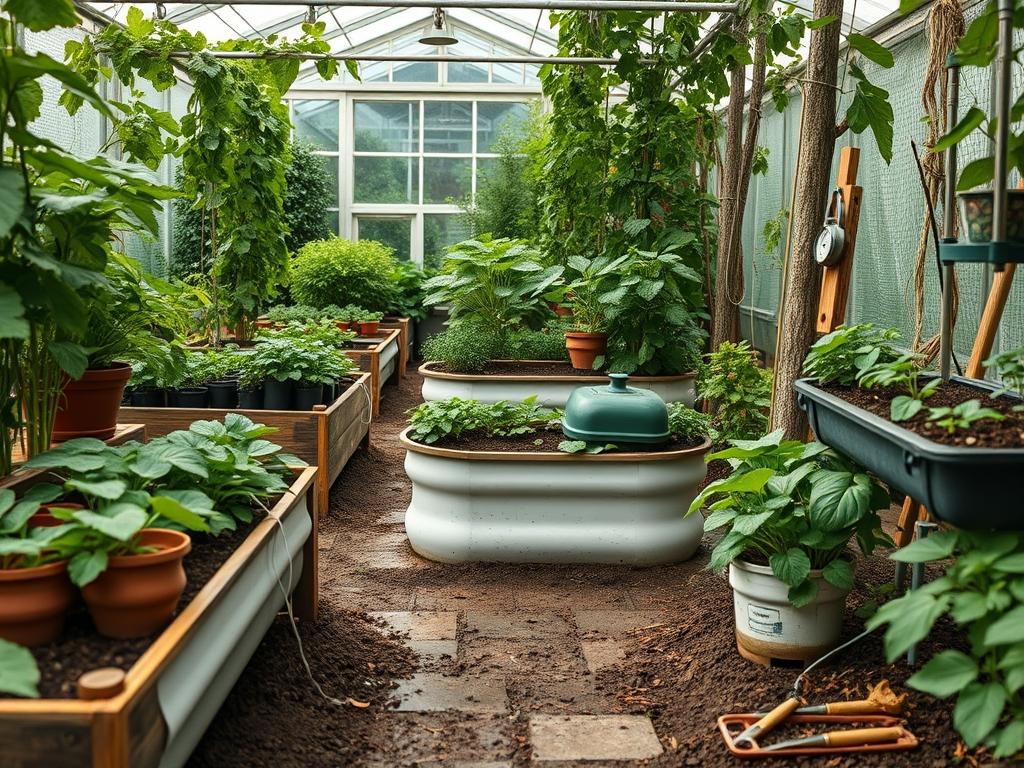
Integrating high-yield food production into a sophisticated outdoor environment requires more than just functional planning; it requires a vision that treats utility as a primary design element. The modern landscape architect often faces the challenge of limited square footage in urban or suburban lots, where the desire for fresh produce competes with the need for aesthetic curb appeal. Backyard Vertical Potato Tubs represent a breakthrough in this spatial balancing act. By utilizing verticality, we can transform a traditional, messy agricultural process into a structured, architectural feature that enhances the overall functionality of the garden. Successful implementation depends on understanding how these vertical elements interact with the existing topography, light patterns, and Hardscape features of the property.
Grounding these containers within a professional landscape design ensures that they do not look like temporary afterthoughts. Instead, they should feel like permanent installations that contribute to the site’s value. This involves careful consideration of climate variables, such as wind exposure and heat radiation from nearby walls, which can drastically affect the internal temperature of a tub. When we plan for these structures, we are not merely placing a pot on a patio; we are engineering a micro-environment. The goal is to maximize the harvest of tubers while maintaining a clean, professional finish that complements the home’s architecture and the surrounding botanical palette.
Landscape Design Principles for Vertical Integration
Effective vertical gardening necessitates a focus on symmetry and focal points to maintain visual order. When placing Backyard Vertical Potato Tubs, designers should treat them as architectural columns. Clustering three or five tubs of varying heights can create a sense of rhythm and elevation layers that draw the eye upward, making a small backyard feel more expansive. Using high-quality materials like heavy-duty polyethylene, cedar-lined containers, or terracotta-colored resin ensures that the tubs contribute to the color story of the landscape.
Irrigation planning is the backbone of any vertical system. Unlike ground-level beds, vertical tubs are prone to rapid desiccation due to increased airflow around the container walls. Integrating a hidden drip irrigation system with emitters at multiple levels within each tub ensures consistent moisture without the visual clutter of hoses. Walkways around the tubs should be wide enough, ideally 36 inches, to allow for harvest access and maintenance without trampling nearby ornamental grasses or perennials. Visual balance is achieved by anchoring these vertical elements with low-growing groundcovers or river rock to soften the transition from the vertical tub to the horizontal plane of the earth.
Plant and Material Selection Matrix
Selecting the right cultivar and substrate is critical for both the health of the plant and the aesthetic longevity of the garden.
| Plant or Material | Sun Exposure | Soil Needs | Water Demand | Growth Speed | Maintenance Level |
| :— | :— | :— | :— | :— | :— |
| Yukon Gold Potatoes | Full Sun | Loose, sandy loam | High | Moderate | Medium |
| Russet Burbank | Full Sun | High organic matter | Consistent | Slow | High |
| Red Pontiac | Partial to Full | Well-draining | Moderate | Fast | Low |
| Fingerling Varieties | Full Sun | Compost-rich | Moderate | Moderate | Medium |
| Potting Mix | N/A | High porosity | N/A | N/A | N/A |
| Pine Bark Mulch | N/A | Acidic leaning | Helps retention | N/A | Low |
| Perforated PVC Pipe | N/A | For aeration | N/A | N/A | Low |
Implementation Strategy and Garden Layout
The physical setup of Backyard Vertical Potato Tubs begins with proper site grading. The area designated for the tubs must be level to prevent tipping and to ensure that irrigation water distributes evenly across the root zone. I recommend excavating a shallow base, approximately 3 inches deep, and filling it with compacted gravel or crushed limestone. This provides a stable foundation and prevents the tubs from sinking into the soil when they are fully saturated and heavy.
Once the base is set, the internal architecture of the tub is addressed. To prevent soil compaction at the bottom, which is a common issue in containers taller than 24 inches, a central aeration column made of perfoated PVC can be installed. This column allows oxygen to reach the deep roots and serves as a conduit for deep-watering. When filling the tubs, use a mixture of 60 percent potting soil, 30 percent finished compost, and 10 percent perlite. This ratio ensures the medium remains light and airy. As the potato plants grow, “hilling” is simulated by adding more soil and straw mulch in 6-inch increments until the tub is full. This encourages the plant to produce more stolons along the buried stem, leading to a higher yield.
Common Landscaping Failures to Avoid
One of the most frequent errors in vertical potato gardening is poor drainage. If the drainage holes at the base of the tub are too small or become clogged by fine soil particles, the water will stagnate, leading to root rot and the total loss of the crop. Always ensure holes are at least 0.5 inches in diameter and covered with a layer of landscape fabric to keep the soil in while letting water out.
Another failure involves improper spacing. While the tubs themselves save space, placing them too close to walls or other structures can create “dead zones” of airflow. This lack of circulation invites fungal diseases like late blight. Maintain at least 12 to 18 inches of clearance between the tubs and any solid barriers. Additionally, many gardeners overlook the weight of a fully hydrated 15-gallon tub. Placing these on a standard wooden deck without checking the load-bearing capacity can lead to structural sagging or damage over time.
Seasonal Maintenance and Site Management
Landscape management for potato tubs follows a strict seasonal cycle. In spring, the focus is on soil preparation and the “chitting” or sprouting of seed potatoes. Once the soil temperature reaches a consistent 45 degrees Fahrenheit, planting can begin. During this phase, ensure the irrigation timers are set to account for the increasing temperatures, keeping the soil moist but not waterlogged.
Summer is the peak growth period. Visual inspections for pests like the Colorado potato beetle should be performed weekly. Applying a thin layer of cedar mulch on the top of the tubs helps regulate soil temperature during the heat of July and August. As autumn approaches and the vines begin to yellow and die back, water should be restricted to allow the skins of the potatoes to toughen up for harvest. Once the harvest is complete, the old soil should be removed or recharged with green manure or cover crops if the tubs are to remain in place through the winter. Cold-weather maintenance involves cleaning the containers and checking for cracks caused by freeze-thaw cycles.
Professional Landscaping FAQ
How do I prevent my potato tubs from overheating in the summer?
Use light-colored containers to reflect solar radiation. You can also wrap the tubs in burlap or place them behind low-growing native shrubs that provide shade to the container base while allowing the potato foliage to remain in full sun.
Can I reuse the soil from my tubs for next year’s crop?
I do not recommend reusing soil for the same crop family. Pathogens and pests can linger in the medium. Instead, integrate the spent soil into your ornamental flower beds and start the tubs with fresh, sterilized potting mix and compost.
What is the best way to hide irrigation lines for vertical tubs?
Run your polyethylene supply lines underneath a layer of decorative mulch or river rock. Use vertical “risers” that follow the back side of the tub, securing them with zip ties so they remain invisible from the primary viewing angle.
How many seed potatoes should I plant in a standard 15-gallon tub?
For a 15-gallon container, plant between three and four seed potatoes. Overcrowding leads to smaller tubers and increased competition for nutrients. Proper spacing ensures each plant has enough volume to expand and produce a high-quality yield.
Do vertical potato tubs require specialized fertilizer?
Use a balanced, slow-release granular fertilizer with an N-P-K ratio of 5-10-10 at the time of planting. Avoid high-nitrogen blends later in the season, as this will encourage excessive foliage at the expense of the underground tubers.