
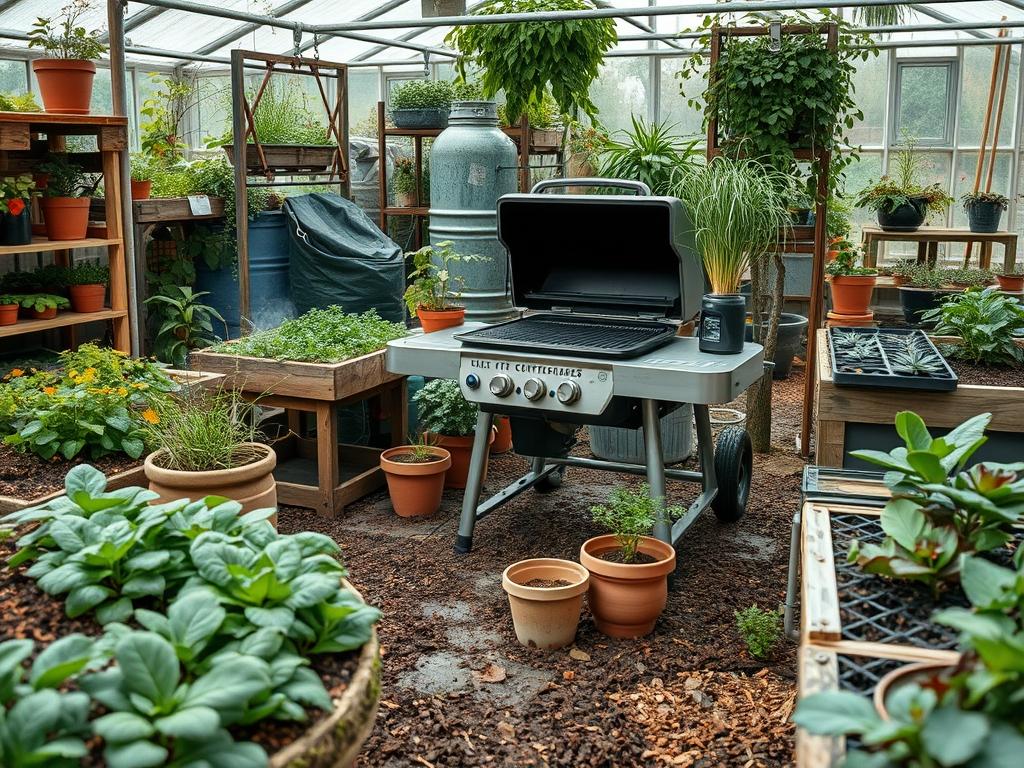
Creating a functional outdoor culinary space requires more than just a flat surface and a heat source. As a landscape architect, I view the integration of a cooking station as a complex puzzle involving wind patterns, thermal safety, and aesthetic harmony. When homeowners seek professional backyard charcoal grill tips, they often focus on the hardware itself, yet the surrounding environment dictates whether the experience is a masterclass in hosting or a frustrated struggle against the elements. A well-designed landscape must account for the physical footprint of the grill while ensuring that smoke does not infiltrate the primary living areas or stifle the growth of nearby ornamental foliage. Proper site selection involves evaluating the prevailing winds to prevent ash from landing on guests, which requires a nuanced understanding of local microclimates and structural windbreaks.
Successful garden planning for a charcoal station hinges on the intersection of utility and beauty. We must treat the grill as a permanent architectural feature rather than a portable afterthought. This means considering the curb appeal of the backyard from inside the home. A naked, soot-stained grill sitting on a patch of dead grass detracts from the property value and disrupts the visual flow of the landscape. Instead, we aim to frame the cooking area with heat-resistant materials and strategic plantings that soften the transition between the hardscape and the lawn. By focusing on elevation, drainage, and material durability, we create a resilient environment that withstands the high temperatures of charcoal combustion and the seasonal shifts of the natural world.
Landscape Design Principles
Symmetry and focal points serve as the backbone of a sophisticated outdoor kitchen layout. When placing a grill, it should align with the major axes of the home, perhaps centered with a sliding glass door or a large window. This architectural alignment creates a sense of intentionality. Visual balance is achieved by counterweighting the heavy, industrial look of a charcoal kettle or ceramic smoker with lighter, airy textures in the surrounding garden. For instance, if the grill is housed in a heavy natural stone island, use fine-textured grasses nearby to prevent the space from feeling overly subterranean or stagnant.
Elevation layers are equally critical for safety and ergonomics. We often design “grill zones” that sit approximately 2 inches to 4 inches higher than the surrounding lawn to prevent water from pooling around the base of the unit. This slight elevation ensures that the chef stands on a dry, stable surface even after a heavy rain. Furthermore, walkways leading to the grill must be at least 36 inches wide to allow for the safe transport of platters and fuel. Using slate pavers or decomposed granite for these paths provides a non-slip surface that complements the rustic nature of charcoal cooking. Irrigation planning must also be adjusted; spray heads should be directed away from the grill station to avoid rusted hinges or thermal shock to hot ceramic components.
Plant and Material Selection
The following table outlines plants and materials that harmonize with a high-heat outdoor cooking environment, focusing on durability and aromatic benefits.
| Plant or Material | Sun Exposure | Soil Needs | Water Demand | Growth Speed | Maintenance Level |
| :— | :— | :— | :— | :— | :— |
| Rosemary | Full Sun | Well-drained | Low | Moderate | Low |
| English Lavender | Full Sun | Sandy/Gritty | Low | Moderate | Medium |
| Green Giant Arborvitae | Full Sun to Part Shade | Loamy/Adaptive | Moderate | Fast | Low |
| Dwarf Boxwood | Full Sun to Shade | Rich/Moist | Moderate | Slow | High (Pruning) |
| Mexican Feather Grass | Full Sun | Poor to Average | Very Low | Fast | Low |
| Pea Gravel | N/A | Sub-base required | None | N/A | Low |
| Flagstone | N/A | Level Sand/Gravel | None | N/A | Low |
Implementation Strategy
The first step in executing a backyard charcoal grill layout is precise grading. The ground must slope away from both the house and the cooking station at a rate of roughly 1/4 inch per foot. This prevents hydrostatic pressure from building up behind retaining walls and keeps the cooking area from becoming a mud pit. Once the grade is established, we focus on the sub-grade preparation. For a heavy charcoal setup, a base of 4 inches of compacted crushed limestone topped with 2 inches of leveling sand provides the necessary structural integrity for heavy stone veneers or pavers.
Edging is the next priority. Using steel edging or poured concrete curbs creates a crisp boundary between the mulch beds and the hardscape. This prevents organic cedar mulch from migrating onto the cooking surface, which could pose a fire hazard if stray embers escape the grill. We recommend a mulch depth of 3 inches in surrounding garden beds to retain moisture and suppress weeds, though we transition to river rock or lava rock within a 36-inch radius of the charcoal unit for fire mitigation. Finally, drainage must be handled through French drains or catch basins if the site is in a low-lying area. Proper drainage protects the longevity of the hardscape and ensures that the soil remains oxygenated for nearby plantings.
Common Landscaping Failures
One of the most frequent mistakes in backyard planning is placing a charcoal grill directly beneath a low-hanging tree canopy or a wooden pergola. The intense heat and rising soot can cause leaf scorch on species like Japanese Maples or lead to dangerous creosote buildup on timber structures. We suggest a minimum vertical clearance of 10 feet from any combustible materials or sensitive foliage. Additionally, root overcrowding occurs when homeowners plant large privacy screens too close to the grill’s foundation. Over time, the heat from the grill desiccates the soil, and the encroaching roots can heave the pavers, creating a trip hazard.
Soil compaction is another silent killer of backyard aesthetics. High-traffic areas around a grill naturally become compacted, which prevents air and water from reaching the roots of nearby turf or shrubs. This leads to “dead zones” where only the hardiest weeds survive. To combat this, we integrate stepping stones into the turf to direct foot traffic and protect the soil structure. Improper irrigation timing is also a common failure; watering late in the evening near a grill can increase local humidity, which may interfere with the airflow needed for a clean charcoal burn.
Seasonal Maintenance
Spring maintenance begins with an inspection of the hardscape for any frost heave that occurred during the winter. Leveling any shifted pavers and replenishing the polymeric sand in the joints ensures a stable platform for the grilling season. This is also the time to apply a pre-emergent herbicide to the garden beds and prune any ornamental grasses to ground level. As we move into summer, the focus shifts to hydration. High-heat cooking can dry out adjacent plants quickly, so supplemental hand-watering for shrubs within a 5-foot radius of the grill is often necessary during heat waves.
Autumn requires a thorough cleaning of the landscape to remove dry leaves and debris that could easily ignite from a stray spark. This is the ideal time to top-dress the mulch and ensure that the drainage grates are clear of organic matter. During the winter months, if the grill is not in use, it should be covered with a heavy-duty weighted vinyl cover. For the surrounding landscape, apply a layer of evergreen boughs or anti-desiccant spray to sensitive plants to protect them from cold winds, especially if the grill station acts as a wind tunnel during the dormant season.
Professional Landscaping FAQ
How far should a charcoal grill be from my house?
Maintain a minimum distance of 10 feet from any combustible siding, windows, or deck railings. This gap prevents heat damage to your home’s exterior and ensures that smoke does not enter through ventilation systems or open doors.
What is the best surface for a heavy charcoal smoker?
A reinforced concrete pad or thick natural stone pavers set on a compacted gravel base is ideal. These materials handle the significant weight and high thermal output of charcoal units without cracking or sinking over time.
Can I plant flowers directly next to my grill station?
Avoid delicate annuals. Instead, choose heat-tolerant perennials like Sedum or woody herbs like Rosemary. These species withstand higher ambient temperatures and offer a pleasant aroma that complements the smell of wood smoke and grilled food.
How do I prevent charcoal ash from ruining my lawn?
Establish a 3-foot buffer zone of non-combustible gravel or river rock around the grill. This prevents embers from scorching the grass and provides a dedicated area for accidental ash spills that can be easily rinsed away.
What should I do if my grill area has poor drainage?
Install a French drain or a slotted trench drain along the perimeter of the hardscape. Redirecting the runoff to a lower point in the yard or a dry well prevents water from undermining the grill’s structural foundation.