
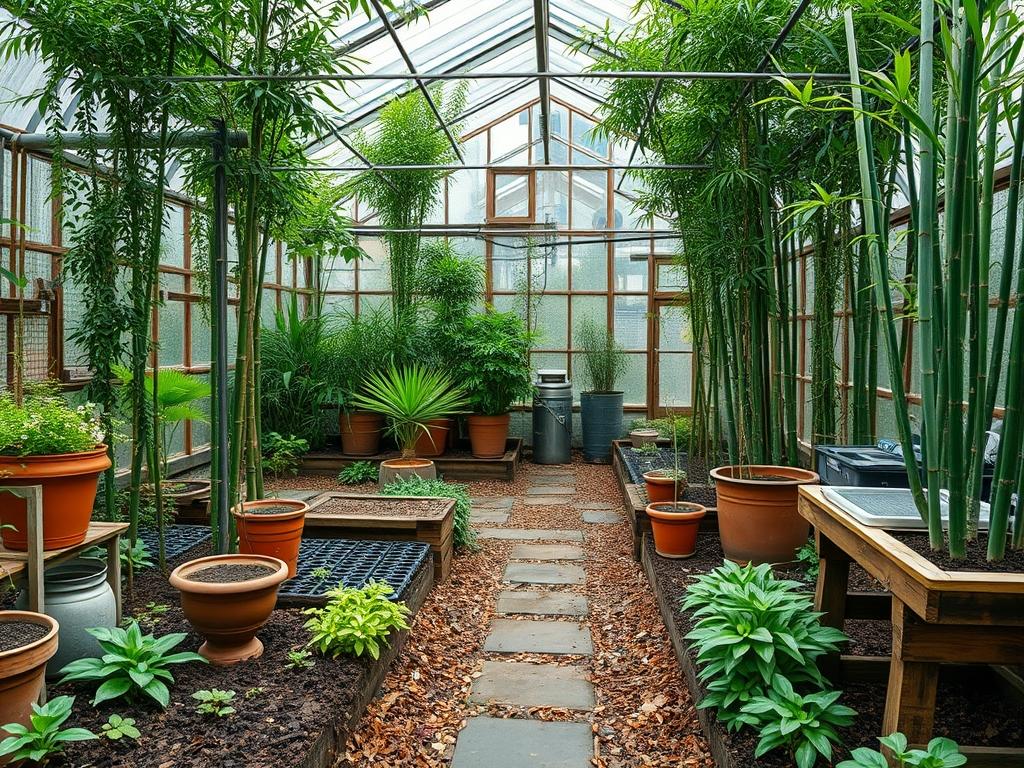
Managing a residential landscape requires a delicate balance between aesthetic elegance and functional utility, particularly when addressing the need for privacy. In modern suburban environments, traditional wooden or vinyl fencing often feels restrictive and cold. This leads many property owners to explore the biological alternative of high density screens. The primary challenge of Backyard Privacy Bamboo Care involves taming the immense vigor of these woody grasses to ensure they provide a dense visual shield without encroaching upon neighboring properties or structural foundations. When properly managed, bamboo offers a lush, evergreen texture that attenuates wind and noise, creating a tranquil microclimate within the garden. Achieving this result requires more than simple planting; it demands a strategic understanding of rhizome behavior, soil hydrology, and the local hardiness zone.
Effective landscape architecture seeks to integrate these towering specimens into the existing topography while maintaining curb appeal. Because bamboo grows with such vertical intensity, it can easily overwhelm a small yard if the design lacks proper layering and scale. A successful privacy screen acts as a living wall that complements the outdoor living area rather than dominating it. By selecting species adapted to specific light conditions and moisture levels, homeowners can transform a barren perimeter into a sophisticated natural boundary. This process begins with a comprehensive site analysis, looking at drainage patterns and the structural integrity of nearby walkways or retaining walls that might be affected by expanding root systems.
Landscape Design Principles
Successful Backyard Privacy Bamboo Care relies on the core principles of symmetry and visual balance. In a professional landscape design, bamboo functions as the “background” or “ceiling” layer of the garden. We typically utilize the vertical lines of species like Fargesia or Bambusa to create a sense of height in narrow corridors. If the yard is wide and open, we may use an asymmetrical arrangement to create a more natural, forest-like feeling. Integrating focal points such as a stone water feature or a well-placed Japanese Maple in front of the bamboo screen provides a sense of depth. This prevents the bamboo from looking like a flat, monolithic wall and instead creates an الثلاثي-dimensional landscape.
Elevation layers are critical. To keep the landscape from feeling claustrophobic, we often plant bamboo in raised planters or behind low retaining walls. This elevation allows for better control over the spread of the plant while making maintenance and pruning more accessible. Irrigation planning must be integrated into the initial design phase. Because bamboo is a thirsty plant during its first three years, a dedicated drip irrigation system should be installed along the base of the corridor. Walkways should be positioned at least four feet away from the bamboo line to allow for “growth swing” during wind events, ensuring that the culms do not obstruct pedestrian traffic.
Plant and Material Selection
| Plant Type | Sun Exposure | Soil Needs | Water Demand | Growth Speed | Maintenance Level |
| :— | :— | :— | :— | :— | :— |
| Bambusa multiplex | Full Sun to Partial | Well-drained, Loamy | Moderate to High | Fast | Low (Clumping) |
| Fargesia rufa | Partial Shade | Rich, Organic | Moderate | Medium | Low (Clumping) |
| Phyllostachys aureosulcata | Full Sun | Adaptable | High | Very Fast | High (Running) |
| Pseudosasa japonica | Shade to Full Sun | Moist, Acidic | High | Fast | Medium (Large Leaf) |
| Alphonse Karr | Full Sun | Humus-rich | Moderate | Fast | Low (Clumping) |
Implementation Strategy
The implementation of a bamboo privacy screen begins with precise site preparation. Grading is the first priority; the soil must slope away from any domestic structures to prevent moisture accumulation at the foundation. Once the grade is established, we mark the trench for the root barrier. For running species, a 60-mil HDPE (High-Density Polyethylene) barrier is mandatory. This barrier should be buried 22 to 24 inches deep, with roughly 2 inches of the material protruding above the soil line. This lip prevents rhizomes from “jumping” over the top of the barrier undetected.
After the barrier is set, we focus on soil amendments. Bamboo thrives in a slightly acidic environment with a pH between 5.5 and 6.5. We incorporate significant amounts of composted steer manure and sphagnum peat moss to increase the organic content. When placing the plants, we space them roughly 3 to 5 feet apart, depending on the desired density of the screen. A thick layer of cedar mulch or pine bark, at least 3 inches deep, is applied to the base to regulate soil temperature and retain moisture. Edging the bamboo beds with a sharp, clean line of stone or metal creates a professional finish that separates the dense foliage from the manicured lawn.
Common Landscaping Failures
The most frequent failure in Backyard Privacy Bamboo Care is the neglect of root containment for running varieties. Owners often underestimate the speed at which leptomorph rhizomes can travel under a lawn, leading to property disputes or damaged hardscaping. Another common error is improper drainage. While bamboo enjoys frequent watering, it cannot survive in “wet feet” or stagnant water. If the soil is heavy clay, the roots will rot, causing the culms to turn yellow and drop leaves. Compaction is also a major issue; the soil must remain aerated to allow the rhizomes to breathe.
Irrigation inefficiencies often lead to the “sparse” look that many homeowners want to avoid. If water is only applied to the surface, the roots will stay shallow, making the plant unstable in high winds. Conversely, over-watering in the winter months can cause fungal infections. Finally, many gardeners fail to account for the mature height and weight of the bamboo. They may plant too close to power lines or overhanging eaves, necessitating a complete removal of the stand within five years. Proper spacing and species selection for the specific micro-environment are the only ways to prevent these costly landscaping mistakes.
Seasonal Maintenance
Seasonal management is the key to a long-lived, healthy privacy screen. In the Spring, focus on high-nitrogen fertilization to support the “shooting” phase. This is the only time of year the bamboo will produce new culms. It is also the best time to inspect the root barrier for any breaches. As the new shoots reach their full height, they will begin to branch out. During the Summer, the priority shifts to irrigation. In periods of extreme heat, bamboo may require daily watering to prevent leaf curl. We use this season to perform “top-trimming” if the screen is becoming too tall for the local permit requirements.
Autumn is the ideal time for architectural thinning. We remove any culms that are more than five years old, as these are less productive and can become brittle. Removing the oldest 20 percent of the stand every year allows light to reach the center of the grove, promoting a denser interior foliage wall. In Winter, the focus is on protection and structural cleanup. In regions with heavy snowfall, growers should shake the culms to prevent breakage from weight. We also apply a fresh layer of organic mulch to insulate the root mass against freezing temperatures. This cycle ensures the bamboo remains a vibrant, functional asset to the property year-round.
Professional Landscaping FAQ
How often should I prune my privacy bamboo?
You should perform a major thinning once per year in late summer or early autumn. Remove dead, weak, or overly crowded culms at the soil level to encourage new, vigorous growth and maintain the desired density of your screen.
Can I grow bamboo in large containers for privacy?
Yes, bamboo excels in large, well-draining planters. Ensure the containers are at least 24 inches wide and deep. Use a heavy potting mix to prevent the plants from tipping during high winds and provide daily water during the summer.
What is the best way to stop bamboo from spreading?
For running varieties, installing a professional-grade HDPE root barrier is the only reliable method. For clumping varieties, simple root pruning with a spade once a year around the perimeter of the plant is sufficient to maintain its footprint.
Why are my bamboo leaves turning yellow?
Yellowing leaves usually indicate either a nitrogen deficiency or poor drainage. Ensure you are using a high-nitrogen fertilizer and check that the soil is not waterlogged. Natural shedding of old leaves also occurs in the spring as new ones emerge.
How fast will my bamboo reach its full height?
Most established bamboo plants reach their maximum height for the season within 60 to 90 days during the spring shooting period. However, it typically takes three years of growth for the stand to reach its mature, species-specific maximum height.