
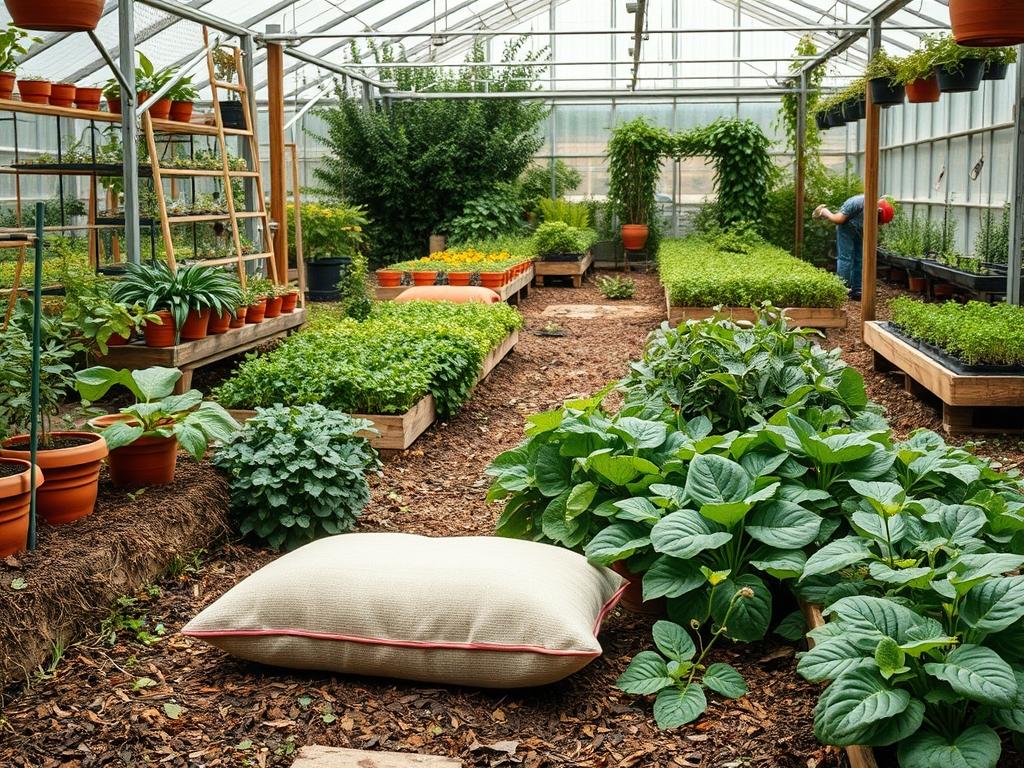
Designing a functional outdoor living space requires a sophisticated balance between structural durability and tactical comfort. When we approach Backyard Floor Pillow Ideas from a professional landscaping perspective, we must view these elements not merely as accessories, but as integral components of the site’s programming. The primary challenge in any exterior design is the management of environmental stressors, including high ultraviolet radiation, fluctuating humidity levels, and direct precipitation. A poorly conceived lounging area can quickly become a site for mold cultivation or material degradation, detracting from the overall curb appeal and utility of the property. To achieve a seamless transition between the rigid lines of a Paver patio and the soft inviting nature of a relaxation zone, a landscape architect must specify materials that exhibit superior resilience while maintaining the aesthetic integrity of the garden.
The climate of the region dictates the selection of every component, from the sub-base of the seating area to the textile weave of the cushions. In temperate zones, moisture management is the priority, whereas in arid climates, the focus shifts to UV stabilization and heat dissipation. A successful landscape plan incorporates these floor-based seating solutions into the “outdoor room” concept, ensuring they are positioned away from low-lying areas prone to water collection. By elevating the seating zones through subtle Grading or the installation of a Timber deck, we protect the soft goods from ground moisture. The goal is to create a space that feels intentional, where the pillows serve as low-profile furniture that does not obstruct the visual flow of the horizon or the carefully curated Focal points of the garden.
Landscape Design Principles
Professional landscape design relies on the application of symmetry and visual balance to guide the eye through the environment. When integrating floor pillows, one must consider the elevation layers of the site. Placing low-profile seating on a Sunken patio creates an intimate, sheltered atmosphere, while placing them on a raised Viewing platform provides a sense of expansive command over the surrounding flora. Symmetry is often achieved by flanking a central feature, such as a Rectilinear fire pit, with mirrored sets of large, square pillows. This creates a formal yet relaxed layout that satisfies the human psychological need for order.
Focal points are essential to prevent the eye from wandering aimlessly. A well-placed Japanese Maple or a modern Basalt water column provides a destination for the viewer. The seating should be oriented to take advantage of these views without cluttering the foreground. Walkways play a vital role here as well; a path of Bluestone step stones should lead clearly to the lounging zone, defining the transition from transit to rest. Furthermore, irrigation planning must ensure that no Rotary sprinkler heads are directed toward the pillow zone. Sub-surface Drip irrigation is the preferred method for nearby plantings to keep the surface dry and prevent the staining that often results from mineral-heavy tap water.
Plant and Material Selection
The materials for the pillows themselves must be industrial grade to survive the elements. Solution-dyed acrylic is the gold standard because the pigment is infused into the fiber at the liquid stage, ensuring the color remains vibrant despite 1,000 hours of direct sunlight. Beneath the fabric, the fill should consist of Closed-cell foam or Dry-fast reticulated foam, which allows water to pass through instantly rather than soaking it up like a sponge. Complementing these materials requires a plant palette that provides soft textures near the seating area to prevent scratches or irritation to lounging guests.
| Plant Type | Sun Exposure | Soil Needs | Water Demand | Growth Speed | Maintenance |
| :— | :— | :— | :— | :— | :— |
| Creeping Thyme | Full Sun | Well-drained | Low | Moderate | Low |
| Japanese Forest Grass | Part Shade | Loamy/Moist | Medium | Slow | Low |
| Lavender | Full Sun | Sandy/Gritty | Very Low | Moderate | Medium |
| Blue Star Creeper | Sun to Shade | Moist/Rich | Medium | Fast | Moderate |
| Mexican Feather Grass | Full Sun | Poor/Lean | Low | Fast | Low |
| Dwarf Mondo Grass | Part Shadow | Standard | Medium | Slow | Very Low |
Implementation Strategy
The successful deployment of a floor-pillow lounge begins with site preparation. You must first establish a level and stable base to prevent the pillows from shifting or contacting raw earth. Start by excavating the area to a 4-inch depth. Install a layer of Heavy-duty landscape fabric to suppress weed growth while allowing for vertical drainage. Over this, spread a 3-inch layer of compacted crushed stone, followed by a 1-inch leveling course of pea gravel or Decomposed granite. This creates a permeable surface that remains dry even after heavy rainfall.
Once the base is established, define the perimeter using Steel edging or Pressure-treated landscape timbers to contain the infill materials. If you are placing pillows directly on a lawn, ensure you use a Removable outdoor rug made of Woven polypropylene as a barrier. This rug acts as a sacrificial layer that protects the pillows from grass stains and soil microbes. For the pillows themselves, ensure the covers feature Marine-grade zippers and Stainless steel hardware to prevent rust streaks. When arranging the space, leave at least 24 inches of clearance between seating clusters to allow for comfortable foot traffic and to maintain the visual rhythm of the design.
Common Landscaping Failures
One of the most prevalent errors in backyard planning is the neglect of proper drainage, leading to water stagnation. Inexperienced designers often place seating areas in topographical depressions, resulting in “swampy” conditions that ruin textiles and attract insects. Another frequent failure is root overcrowding. Planting large shrubs or trees too close to a hardscaped lounging area can lead to root heave, which will eventually crack Concrete pads or displace Pavers. Always research the mature spread of a plant before installation to ensure a 5-foot buffer zone from permanent structures.
Improper spacing of furniture and pillows also leads to a cluttered environment that feels smaller than it actually is. Over-furnishing a small deck creates “visual noise” that competes with the landscape. Soil compaction is another silent killer; high-traffic areas near seating zones often become hard-packed, preventing oxygen and water from reaching the roots of nearby turf. To mitigate this, incorporate Stepping stones or a Permeable mulch path to direct the flow of traffic away from sensitive root zones. Finally, failing to account for the prevailing wind direction can result in light floor pillows being blown across the yard; specifying pillows with Weighted sand pockets or Integrated tether points is a professional solution to this problem.
Seasonal Maintenance
Landscape management is a year-round commitment. In the spring, inspect all hardscaping for shifting caused by frost heave and clear any debris from the Drainage grates. This is also the time to apply a UV-protectant spray to any outdoor fabrics to bolster their factory-applied finishes. During the summer, focus on irrigation adjustment. Ensure that Drip lines are functioning and that no overspray is reaching the lounging area. Sweep the gravel or stone base weekly to remove organic matter that could break down into soil and encourage weed growth.
As autumn arrives, the primary task is leaf management. Decomposing leaves can tan and stain both fabrics and stone surfaces if left to sit. Use a Leaf blower or a Soft-bristle broom to keep the area clear. For the winter months, although professional-grade materials like Olefin are weather-resistant, it is best practice to store pillows in a Ventilated deck box or an indoor climate-controlled environment. This prevents the physical weight of snow from compressing the foam and protects the fibers from the expansion and contraction caused by freeze-thaw cycles.
Professional Landscaping FAQ
What is the best fabric for year-round outdoor pillows?
Solution-dyed acrylic is the superior choice. It offers unmatched UV resistance and colorfastness. Unlike printed polyester, the color is part of the fiber, meaning it will not fade or wash away despite heavy rain and sun.
How do I prevent mold on floor pillows?
Ensure the pillows use Reticulated foam inserts and are placed on a Permeable base like gravel or a deck. Proper airflow is critical. Avoid placing pillows directly on damp grass for extended periods to prevent moisture trapping.
Can I leave weatherproof pillows out in the rain?
Standard rain will not damage high-quality Weatherproof backyard floor pillows, but they should be tilted on their sides to facilitate faster drainage. If the pillows become saturated, remove the covers and allow the cores to air dry completely.
What base material is best for a pillow lounge?
A Decomposed granite or Pea gravel base is ideal for drainage and aesthetics. These materials provide a stable, level surface that allows water to pass through into the soil, keeping the seating area dry and clean.
How often should I clean outdoor pillow covers?
Perform a light cleaning once a month using a Soft brush and a solution of Mild soap and lukewarm water. For stubborn stains or mildew, a diluted bleach solution is safe for most Solution-dyed fabrics, but always check the manufacturer instructions.