
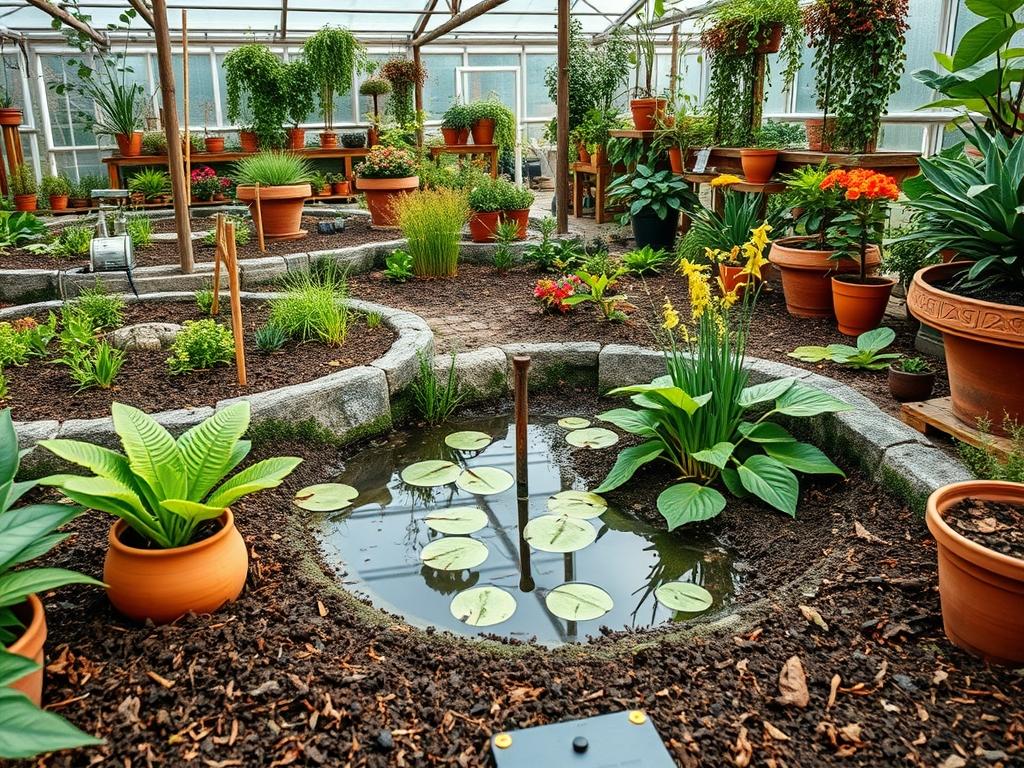
Designing a high-end landscape requires more than just aesthetic intuition; it demands a deep understanding of ecosystem services and site-specific topography. For many homeowners, the ultimate goal is to create a space that balances luxury with functionality. Backyard dragonfly ponds represent a sophisticated niche in outdoor environment consulting. These water features serve as carbon sinks, biodiversity hubs, and natural pest management systems. Integrating such a feature into a master plan requires careful consideration of climate zones and existing soil conditions. A well-designed pond elevates the curb appeal of a property while mitigating issues like poor drainage or unremarkable grading. By focusing on the intersection of structural engineering and horticulture, a landscape architect can transform a stagnant corner of a yard into a thriving, self-sustaining habitat that manages local insect populations without the need for chemical intervention.
The landscaping challenge often lies in the balance between the wild nature of a habitat pond and the manicured expectations of a luxury estate. To succeed, the designer must treat the water as a living architectural element. This involves managing thermal mass through depth and positioning the pond to capture maximum solar radiation. Dragonflies are cold-blooded insects that require significant sunlight to hunt and mate. Therefore, the pond should not be tucked away in a shadowed corner. It should be a central focal point that interacts with the surrounding hardscape. When planned correctly, these features provide a sense of tranquility and movement that static gardens simply cannot replicate.
Landscape Design Principles
Successful landscape design for backyard dragonfly ponds hinges on the principle of visual hierarchy. Every element, from the largest Granite Boulders to the smallest River Pebbles, must serve both a functional and aesthetic purpose. Symmetry in these environments is rarely about perfect mirror imaging; instead, it involves a balanced distribution of mass and void. A large, flat Flagstone on the northern edge might provide a basking spot for adults, while a denser cluster of Shrubbery on the opposite side creates a necessary windbreak. By varying the height and density of the surrounding flora, the designer creates a sense of depth that draws the eye toward the water’s surface.
Elevation layers are perhaps the most critical structural component. A flat, vertical-sided hole is a death trap for wildlife and a visual failure. Instead, the design should incorporate multiple subterranean shelves at depths of 8 inches, 15 inches, and 24 inches. These shelves allow for diverse planting zones and facilitate the emergence of dragonfly larvae. In terms of walkways, the transition from lawn to water should be deliberate. Using Decomposed Granite or Permeable Pavers ensures that runoff does not carry fertilizers or silt directly into the aquatic ecosystem. Visual balance is further maintained by blending the pond’s edge with the surrounding topography, using Moss Rocks and local stone to hide the synthetic liner and create an organic transition.
Plant and Material Selection
The following table outlines the essential flora and structural materials required to build a resilient and attractive dragonfly habitat. Selecting a variety of species ensures year-round interest and diverse ecological niches.
| Plant Type | Sun Exposure | Soil Needs | Water Demand | Growth Speed | Maintenance Level |
| :— | :— | :— | :— | :— | :— |
| Pickerelweed | Full Sun | Aquatic Mud | High (Submerged) | Fast | Moderate |
| Water Lilies | Full Sun | Heavy Clay | High (Deep) | Moderate | Low |
| Arrowhead | Full Sun/Part Shade | Saturated Soil | High (Shallow) | Fast | Moderate |
| Hornwort | Any | None (Floating) | High (Oxygenator) | Very Fast | Low |
| Blue Flag Iris | Full Sun | Rich, Moist | High | Moderate | Low |
| Creeping Jenny | Part Shade | Well-Drained | Medium | Fast | Moderate |
| Swamp Milkweed | Full Sun | Moist Loam | High | Moderate | Low |
Implementation Strategy
The construction process begins with a meticulous garden layout and site survey. Professional grading is the first physical step; the area surrounding the pond must slope away from the water to prevent contaminated surface runoff from entering the system. Use a Laser Level to ensure the perimeter is perfectly horizontal, as even a 1 inch discrepancy will expose the unsightly pond liner. Once the excavation is complete, a 2 inch layer of damp sand should be compacted along the floor and shelves to protect the 45 mil EPDM Rubber Liner from punctures.
After the liner is secured, the edging becomes the primary focus of the hardscaping. Use Natural Fieldstone or Limestone to create a rugged, secure perimeter. The stone should overhang the water by at least 2 inches to provide shade and protection for the aquatic inhabitants. For drainage, integrate a gravel-filled French Drain around the low-lying areas of the yard to manage overflow during heavy rain events. Mulch depth in the surrounding beds should be maintained at 3 inches using Triple-Shredded Hardwood Mulch to retain moisture for terrestrial plants without risking floatation into the pond. Finally, the irrigation planning should include a dedicated line for a low-volume Auto-Fill Valve to maintain water levels during the peak of summer.
Common Landscaping Failures
One of the most frequent errors in creating backyard dragonfly ponds is improper site selection regarding large trees. Root overcrowding can eventually puncture pond liners, and excessive leaf litter can lead to a buildup of organic sludge. This sludge depletes oxygen through decomposition, which is fatal to the dragonfly nymphs living at the bottom. Furthermore, soil compaction during the construction phase often goes unaddressed. Heavy machinery can crush the pore space in the soil, leading to poor drainage and “pooling” in areas where you intended to have lush terrestrial gardens.
Irrigation inefficiencies also plague many DIY installations. If the surrounding spray heads are aimed toward the pond, the introduction of chlorinated water and lawn chemicals can crash the delicate biological balance. Spacing is another critical failure point. Many homeowners plant their marginal species too closely together, failing to realize that Pickerelweed and Irises spread aggressively via rhizomes. Within two seasons, the water surface may be entirely covered, leaving no room for dragonflies to hunt. Lastly, avoid the mistake of installing a high-powered fountain. Dragonflies require still or very slow-moving water for their eggs to survive; a turbulent surface will drive them away.
Seasonal Maintenance
Spring is the season of renewal and technical inspection. As the ice thaws, the landscape architect should check the integrity of the Retaining Walls and the pond liner for any shifting caused by frost heave. This is the time to trim back dead stalks from Aquatic Grasses and thin out any overgrown oxygenators like Anacharis. Adding a dose of beneficial bacteria helps jump-start the nitrogen cycle as temperatures rise above 50 degrees Fahrenheit.
Summer maintenance focuses on evaporation control and nutrient management. Ensure the Auto-Fill Valve is functioning to prevent the water level from dropping, which would expose the delicate roots of marginal plants to the sun. If algae blooms occur, manual removal is preferred over chemical treatments. Autumn requires the most labor, as the goal is to prevent debris from entering the water. Using a Fine Mesh Pond Net will catch falling leaves. It is also the time to divide overgrown perennials and move tender species to deeper water below the frost line. Winter is a period of dormancy; simply ensure a small hole is kept in any ice using a Floating Deicer to allow for gas exchange, keeping the environment safe for overwintering larvae.
Professional Landscaping FAQ
How deep should a dragonfly pond be?
A professional dragonfly pond should feature a maximum depth of 24 inches. This provides a thermal refuge that does not freeze solid in winter. Multiple shallow shelves ranging from 8 to 12 inches are necessary for emergent vegetation.
Do I need a pump or filter for the pond?
Dragonflies prefer calm water, so heavy filtration is often unnecessary. A small, low-flow Submersible Pump can power a biological filter or a quiet waterfall to maintain oxygen levels without creating excessive surface turbulence or disturbing the larvae.
How do I prevent mosquitoes from breeding?
While the dragonflies themselves are excellent predators, you can ensure safety by adding Mosquito Dunks. These contain a natural bacterium that kills mosquito larvae but is completely harmless to dragonflies, birds, pets, and humans dwelling near the water.
What is the best liner for a long-term pond?
The industry standard is a 45 mil EPDM Rubber Liner. It is highly flexible, UV-resistant, and can withstand extreme temperature fluctuations. Always pair it with a heavy-duty Non-Woven Underlayment to prevent sharp rocks or roots from causing punctures.
Can I include fish in my dragonfly pond?
It is generally discouraged. Most pond fish, including Koi and Goldfish, will consume dragonfly eggs and larvae. If you must have fish, stick to small, native species that stay under 2 inches in length to minimize their impact on the insect population.