
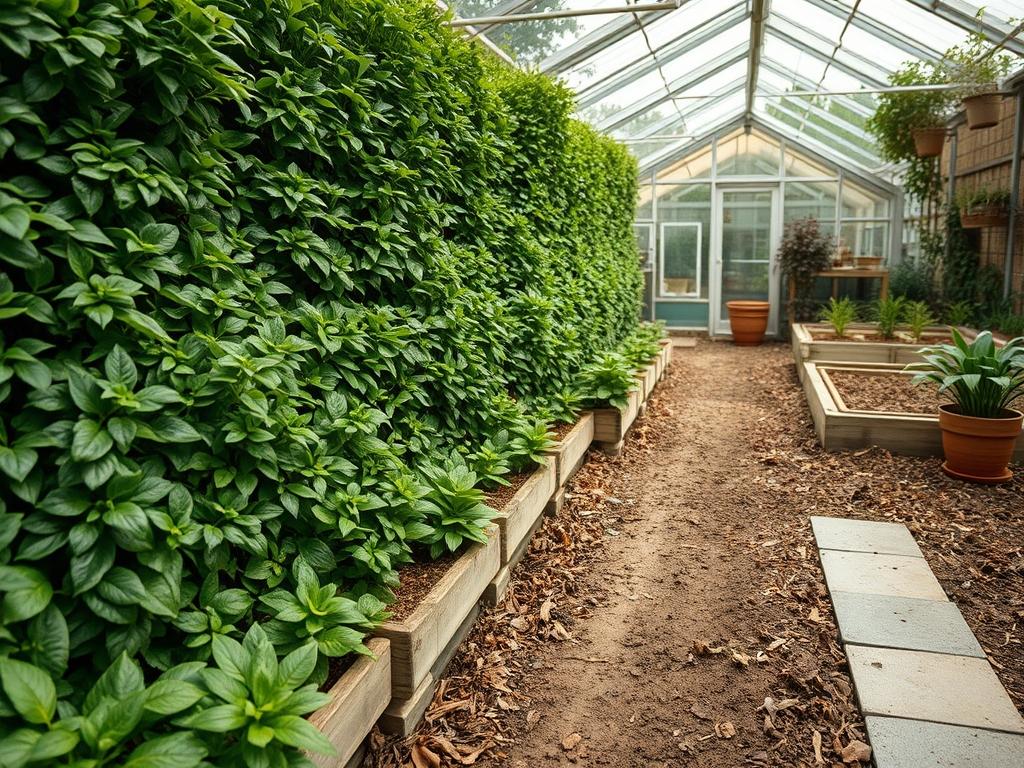
Establishing a functional outdoor sanctuary requires more than just planting a row of shrubs and waiting for nature to take its course. For many homeowners, the primary objective is to create a living screen that offers immediate seclusion, noise reduction, and a defined boundary for the property. Achieving rapid backyard privacy hedge growth is a sophisticated exercise in site analysis, horticultural science, and architectural planning. When we approach a landscape as a series of outdoor rooms, the perimeter hedge serves as the structural envelope. It influences the microclimate of the garden by shielding smaller plants from harsh winds and filtering sunlight. Effective privacy screening increases property value while significantly enhancing the aesthetic rhythm of the terrain. However, the speed at which these boundaries reach maturity depends on several variables including soil composition, hydraulic management, and regional climate patterns.
To accelerate the development of a green wall, the landscape architect must look beyond the individual plant. We must consider the entire ecosystem of the property. This involves assessing the solar orientation to ensure the chosen species receive the localized light requirements necessary for high metabolic activity. A hedge that struggles for light will become leggy and sparse; a hedge in optimal conditions will exhibit dense, interlocking foliage that provides true visual occlusion. By prioritizing the health of the root zone and implementing advanced irrigation techniques, we can shave years off the time it takes for a screen to reach its target height of 6 feet or more.
Landscape Design Principles
Successful privacy screening relies on a deep understanding of spatial geometry and site elevation. Before a single hole is dug, a professional site plan must account for the existing topography. If the property has significant grade changes, a retaining wall built with interlocking stone or pressure-treated timber may be necessary to create a level planting bed. This ensures that water is distributed evenly across the root systems rather than pooling at the bottom of a slope. Symmetry plays a vital role in formal designs; however, an organic, staggered layout often provides better depth and sound attenuation in traditional residential settings.
Focal points should be integrated into the hedge line to prevent a monolithic or “boxy” appearance. This can be achieved by varying the elevation layers, placing taller specimens like Thuja Green Giant in the background and shorter, colorful shrubs in the foreground. This tiered approach mimics natural woodland edges and provides a more pleasing visual balance. Furthermore, the integration of walkways and hardscaping must be planned concurrently with the hedge. Using crushed granite or flagstone for paths ensures that maintenance access is preserved without compacting the soil near the hedge base. Proper irrigation planning is the final pillar of design. Installing a drip irrigation system with a dedicated automatic timer ensures that the hedge receives consistent moisture directly at the root zone, which is the single most important factor for rapid biometric expansion.
Plant and Material Selection
Selecting the right species is the foundation of a high-speed privacy project. The following table outlines the most effective options for rapid screening across various environments.
| Plant Type | Sun Exposure | Soil Needs | Water Demand | Growth Speed | Maintenance Level |
| :— | :— | :— | :— | :— | :— |
| Thuja Green Giant | Full Sun to Part Shade | Moist, Well-drained | Moderate | 3-5 ft / year | Low |
| Leyland Cypress | Full Sun | Adaptable | High | 3-4 ft / year | Moderate |
| Privet (Ligustrum) | Full Sun to Part Shade | Any, Well-drained | Moderate | 2-3 ft / year | High (Pruning) |
| Cherry Laurel | Part Shade to Shade | Acidic, Rich | Moderate | 1-2 ft / year | Low |
| Clumping Bamboo | Full Sun to Part Shade | Loamy, Moist | High | 3-5 ft / year | Moderate |
| Nellie R. Stevens Holly | Full Sun to Part Shade | Well-drained | Moderate | 2-3 ft / year | Low |
Implementation Strategy
The process of installing a fast-growing hedge begins with rigorous soil preparation. We recommend a process called double-digging or deep tilling to a depth of at least 18 inches. This breaks up the hardpan and allows for easier root penetration. Once the ground is prepared, incorporate a high-quality organic compost or aged manure to boost the nutrient profile.
One of the most effective tips for speeding up growth is the use of a mycorrhizal fungal inoculant. These beneficial fungi attach to the roots and extend their reach, allowing the plant to absorb more phosphorus and water than it could on its own. When placing the plants, spacing is critical. While it is tempting to plant them close together for immediate privacy, overcrowding leads to resource competition and eventual die-back. For most evergreen conifers, a spacing of 5 feet to 8 feet on center is recommended to allow for lateral expansion.
After planting, apply a 3-inch layer of hardwood mulch or pine bark around the base. This layer serves three purposes: it suppresses weeds that compete for nitrogen, it regulates soil temperature, and it retains critical moisture. To maximize vertical height, gardeners should focus on a high-nitrogen slow-release fertilizer applied in early spring and mid-summer. However, avoid late-season fertilization, as this can encourage tender new growth that will be damaged by first frosts. Finally, consider installing a windbreak fabric or silt fence if the site is in an exposed area. Protecting young plants from desiccation by wind allows them to focus energy on upward growth rather than structural survival.
Common Landscaping Failures
The most frequent mistake in hedge installation is poor drainage. If a planting trench holds water like a bathtub, the roots will succumb to Phytophthora root rot within a single season. Always perform a percolation test before planting. If the water does not drain at a rate of at least 1 inch per hour, the site requires a French drain or the addition of coarse sand and organic matter to improve porosity.
Another common failure is the lack of “training” through pruning. Many homeowners believe that skipping pruning for the first few years will help the plant get taller faster. In reality, light pruning of the lateral branches encourages the plant to fill out and become denser. Without this, the hedge may reach its height goal but remain translucent. Soil compaction is another silent killer. Construction traffic or heavy lawn equipment near the hedge can crush the air pockets in the soil, effectively suffocating the root system. Ensure that the “drip line” of the hedge remains a no-travel zone for heavy machinery.
Seasonal Maintenance
Landscape management is a year-round commitment that changes with the solar cycle. In Spring, the focus is on “awakening” the plants. This is the time for deep fertilization and checking the irrigation emitters for clogs. As the first flush of growth appears, look for signs of pests like aphids or bagworms and treat them immediately with neem oil or insecticidal soap.
Summer is about hydration management. During heatwaves, a hedge can lose incredible amounts of water through transpiration. Increase the frequency of your irrigation cycles but monitor the soil to avoid saturation. Autumn is the season for structural reinforcement. Late-season pruning should be avoided, but it is the perfect time to replenish the mulch layer to insulate the roots against the coming freeze. In Winter, the primary concern is physical damage from snow or ice. For narrow, columnar plants, wrapping them loosely with burlap or twine can prevent the branches from splaying under the weight of heavy accumulation.
Professional Landscaping FAQ
How can I make my Thuja grow faster?
Ensure consistent hydration through a drip system and apply a 10-10-10 fertilizer in early spring. Maintaining a 3-inch mulch layer to preserve root moisture and suppressing all weed competition are also essential for maximum growth rates.
Does pruning a new hedge slow down its height?
Light lateral pruning actually benefits the plant. By trimming the side branches, you encourage the plant to invest more energy into the central leader. This results in a taller, sturdier, and much denser privacy screen over time.
What is the best soil for a privacy hedge?
Most fast-growing species prefer a sandy loam that is rich in organic matter. The soil should be slightly acidic to neutral with a pH between 6.0 and 7.0. Excellent drainage is non-negotiable for preventing root rot.
How often should I water a newly planted hedge?
For the first year, a new hedge requires deep watering two to three times per week. During periods of extreme heat or drought, daily monitoring is required. The goal is to keep the soil moist but never waterlogged.
Can I use a liquid fertilizer for faster results?
Liquid fertilizers provide an immediate nutrient boost, which is excellent for leaf development. However, they should be used as a supplement to slow-release granular fertilizers, which provide the sustained nutrition necessary for long-term health and structural integrity.