
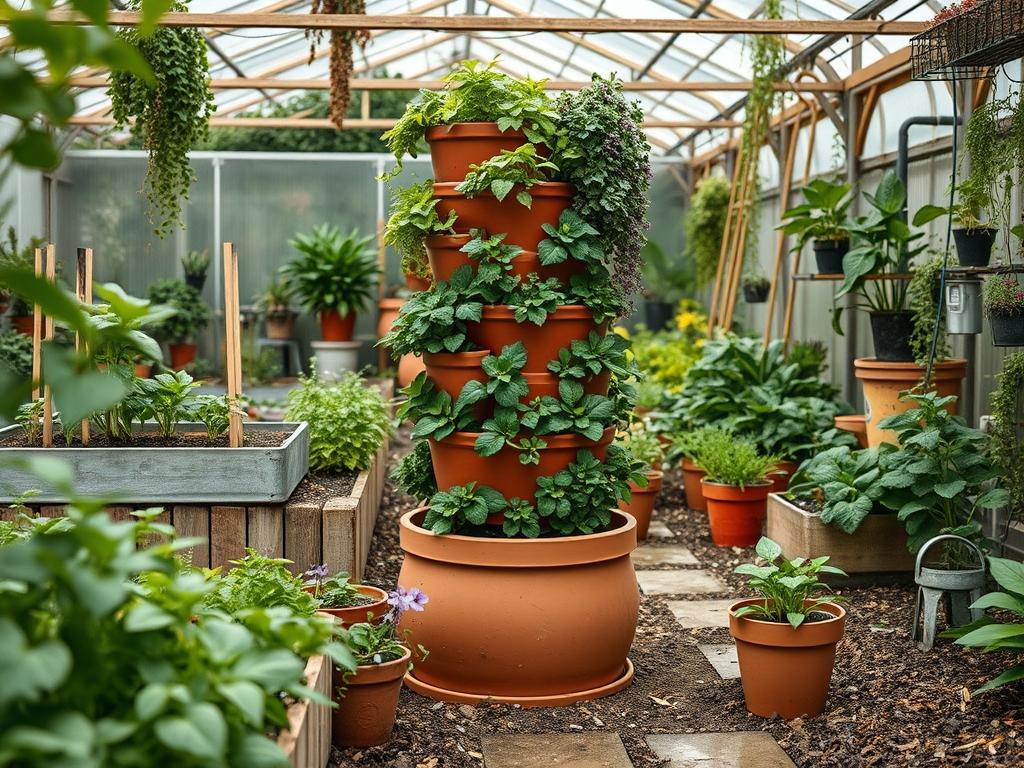
Modern landscape architecture often grapples with the paradox of shrinking lot sizes and increasing demands for functional, productive outdoor living spaces. Traditional horizontal gardening consumes vast amounts of ground area, often leaving little room for seating, dining, or leisure zones. Utilizing Backyard Vertical Herb Towers addresses this spatial challenge by shifting the cultivation plane from the horizontal to the vertical. When designed correctly, these structures do more than just provide fresh ingredients; they serve as living sculptures that improve curb appeal and define the transition between hardscaped patios and softscaped garden beds. Integrating these units requires a nuanced understanding of microclimates, as the higher levels of a tower experience different wind and sun exposure than the lower tiers. A successful installation balances the utility of a kitchen garden with the sophisticated aesthetics of a curated landscape.
The goal of any high-yield vertical project is to maximize the output per square foot while maintaining a cohesive look with the rest of the property. For many homeowners, the challenge is not just growing the plants, but ensuring the structure does not look like an afterthought or a temporary DIY fix. Professional designers view Backyard Vertical Herb Towers as architectural elements that can provide privacy screening, dampen noise, and provide a focal point that draws the eye upward. By considering elevation and verticality, a designer can create a sense of enclosure and intimacy even in a wide-open suburban yard. This approach also allows for better ergonomic access, reducing the need for bending and kneeling, which is a significant factor in the long-term functionality of any outdoor environment.
Landscape Design Principles
Effective backyard layout planning relies on foundational principles such as symmetry and focal points to create a sense of order. When placing Backyard Vertical Herb Towers, one must consider the visual balance of the entire yard. A single, isolated tower can often look out of place; however, a grouping of three towers of varying heights, such as 3 feet, 5 feet, and 7 feet, creates a rhythmic progression that feels intentional and artistic. Placing these towers at the end of a Flagstone walkway or as anchors at the corners of a Cedar deck ensures they integrate seamlessly with the existing hardscape.
Elevation layers are another critical consideration. In a flat yard, vertical towers provide much-needed relief from the monotony of ground-level plantings. By using a tiered approach, you can place shade-loving herbs like Mint or Lemon Balm at the base where they are protected by the structure itself, while sun-drenched layers at the top house species like Thyme or Oregano. Irrigation planning is equally paramount. Because vertical structures drain faster than traditional beds, integrating a 1/4-inch Drip Irrigation Line into the core of the tower is an industry standard. This ensures that water reaches the roots directly without wasting moisture through evaporation or runoff, maintaining a pristine look for the surrounding Pea Gravel or Polished River Rock.
Visual balance is further achieved through the choice of materials. If your home features modern industrial lines, a tower constructed from Galvanized Steel or Powder-Coated Aluminum will complement the architecture. Conversely, if the environment is a rustic or cottage-style garden, using Western Red Cedar or Reclaimed Hardwood provides a warmer, more organic feel. The key is to treat the herb tower as a permanent fixture of the landscape rather than a seasonal accessory.
Plant and Material Selection
Selecting the right combination of biological and structural components determines the longevity of the installation. The following table outlines optimal selections for vertical systems.
| Plant Type | Sun Exposure | Soil Needs | Water Demand | Growth Speed | Maintenance |
| :— | :— | :— | :— | :— | :— |
| Sweet Basil | Full Sun | Well-draining Loam | High | Fast | Moderate |
| Rosemary | Full Sun | Sandy/Gritty | Low | Medium | Low |
| Chives | Partial Sun | High Organic Matter | Medium | Fast | Low |
| Thyme | Full Sun | Dry/Rocky | Low | Medium | Very Low |
| Cilantro | Partial Shade | Loamy/Cool | Medium | Very Fast | High |
| Flat-Leaf Parsley | Partial Sun | Rich/Moist | Medium | Medium | Low |
| Garden Sage | Full Sun | Well-draining | Low | Medium | Low |
| Peppermint | Shade/Partial | Damp Soil | High | Very Fast | High |
For the structural build, use Stainless Steel Screws to prevent rust streaks on the tower body. The growing medium should be a lightweight Potting Mix amended with Perlite and Vermiculite to manage weight and aeration. Avoid heavy topsoil, as it becomes overly dense and can weight down the structure, potentially compromising the stability of the Concrete Footings or Pressure-Treated Wood Base.
Implementation Strategy
The implementation of Backyard Vertical Herb Towers begins with site preparation. You must start with accurate Grading to ensure the area around the tower base directs water away from the home foundation. If the tower is seated on the ground, excavate a 6-inch deep area and fill it with 3/4-inch Crushed Stone to provide a solid, draining foundation. This prevents the tower from leaning over time due to soil expansion and contraction.
Next, consider the Edging. Using Aluminum Edging or Steel Landscape Edging creates a clean perimeter between the tower base and the rest of the lawn. Within this perimeter, apply a 3-inch layer of Bark Mulch or Wood Chips to suppress weeds and maintain moisture levels at the bottom of the structure. If the tower is part of a larger patio design, use Polymeric Sand between Pavers to ensure a weed-free and stable surface for the towers to rest upon.
When assembling the tower, incorporate a central PVC Pipe with pre-drilled holes to serve as an internal watering column. This tool allows water to permeate the entire vertical column of soil evenly. Once the structure is standing, fill it with the soil mixture in layers, tamping lightly to remove large air pockets without causing Soil Compaction. Plant your herbs from the bottom up, ensuring that the most vigorous growers are positioned where they have room to cascade without shading out the plants below.
Common Landscaping Failures
The most frequent failure in vertical systems is poor drainage. Because the soil is stacked, the bottom layers can become waterlogged while the top layers remain bone dry. This is often caused by a lack of Drainage Holes or the absence of a Gravel Layer at the very bottom of the tower. Professional consultants always recommend using a Landscape Fabric liner inside wooden towers to prevent the soil from washing out while still allowing for air exchange.
Root overcrowding is another common pitfall. In the desire for a lush, full look immediately, many homeowners overplant the tower windows. Each herb needs a minimum of 6 inches of root space to thrive. When roots become bound, the plant’s ability to take up nutrients diminishes, leading to yellowing leaves and stunted growth. Similarly, placing sun-loving Mediterranean Herbs like Lavender in the same tower as moisture-loving Watercress will lead to one or both failing due to incompatible watering schedules.
Finally, neglect of the structural integrity can lead to accidents. A 5-foot tower filled with wet soil can weigh several hundred pounds. Failing to secure the tower to a Retaining Wall or using inadequate Anchoring Bolts can result in the structure toppling during high winds or heavy storms. Always overkill the structural support to ensure safety in the outdoor living environment.
Seasonal Maintenance
Landscape management is a year-round commitment. In the spring, focus on reviving the soil. Remove any dead annuals from the previous year and top-dress the tower openings with fresh Compost. This is also the time to check the Irrigation Emitters for clogs and ensure the Water Timer is functioning correctly for the upcoming growing season.
During the summer, evaporation is the primary enemy. You may need to adjust your watering schedule to twice daily during heatwaves. Monitoring for pests like aphids is crucial, as the condensed nature of Backyard Vertical Herb Towers allows infestations to spread rapidly. A quick spray of Neem Oil or a blast from a High-Pressure Hose can usually manage these issues.
In autumn, harvest most of the herbs for drying or freezing. For perennial herbs like Sage, cut them back by one-third to encourage dormant strength. Prepare the tower for winter by wrapping it in Burlap or moving portable units into a Greenhouse or garage if you live in a hard-freeze climate. If the tower stays outside, ensure the irrigation system is fully drained and blown out with Compressed Air to prevent the lines from bursting during a freeze.
Professional Landscaping FAQ
How do I choose the best location for my herb tower?
Select a site that receives a minimum of six hours of direct sunlight daily. Ensure it is located near a water source and within a short walking distance from the kitchen to maximize the practical functionality for daily harvesting.
What is the best material for a long-lasting herb tower?
Food-Grade Plastics, Stainless Steel, or rot-resistant woods like Cedar and Redwood are the best choices. These materials withstand constant moisture exposure and UV rays without leaching harmful chemicals into your edible plants or degrading structurally over time.
Can I grow vegetables in a vertical herb tower?
Yes, though you should limit choices to small cultivars. Cherry Tomatoes, Strawberries, and Leafy Greens like Kale or Spinach perform well. Avoid heavy crops like melons or deep-rooting vegetables like carrots which can compromise the tower’s balance.
How often should I fertilize plants in a vertical system?
Since vertical towers are essentially large containers, nutrients leach out with every watering. Apply a Water-Soluble Organic Fertilizer every two weeks during the peak growing season to ensure the plants have the necessary minerals to produce high yields.
Do vertical herb towers require special soil?
Standard garden soil is too heavy and lacks the necessary pore space. Use a high-quality Soilless Potting Mix containing Peat Moss or Coconut Coir. This ensures the structure remains lightweight and the roots receive adequate oxygen to prevent rot.