
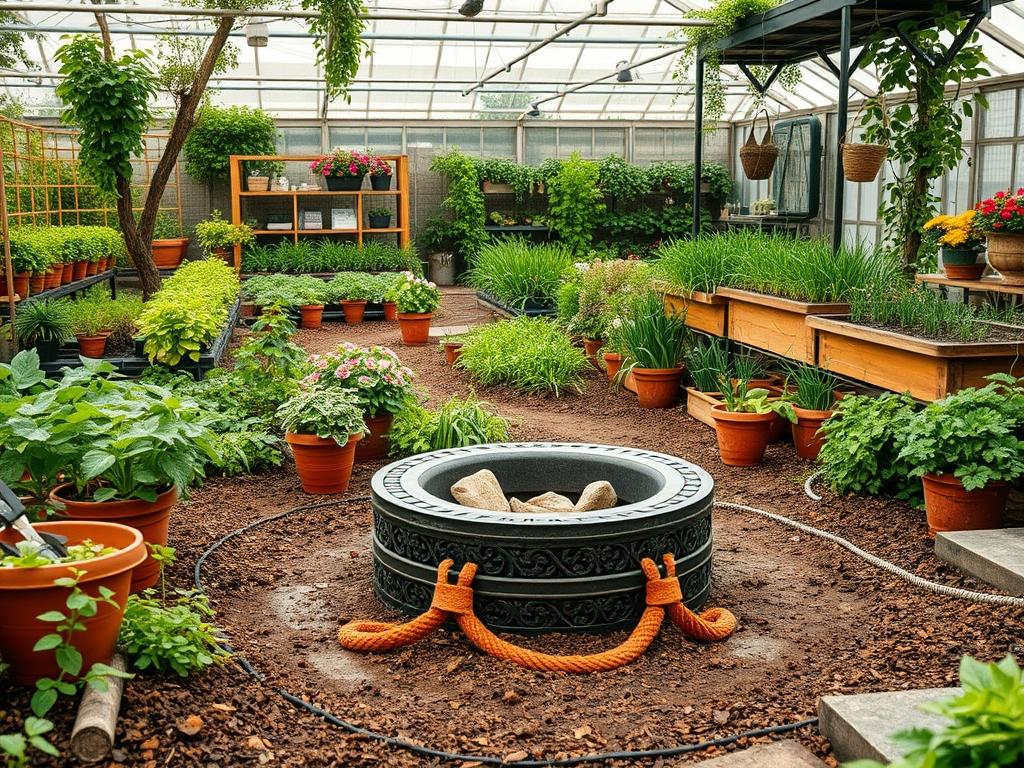
Creating a cohesive outdoor living space requires more than just placing a few chairs around a hole in the ground. As a landscape architect, I view the fire element as a structural anchor that dictates the flow and functionality of the entire backyard. Modern property owners are increasingly moving away from simple rings toward sophisticated installations where Backyard Fire Pit Grates serve as the engine of the experience. The challenge lies in balancing aesthetic appeal with the rigorous demands of thermodynamics and local climate. In regions with high humidity or frequent rainfall, the choice of materials for these grates becomes a matter of longevity. A poorly designed fire feature can become an eyesore of rusted metal and soggy ash, whereas a well-planned installation enhances curb appeal and serves as a year-round destination for entertainment. We must consider the prevailing wind patterns to minimize smoke intrusion and the proximity to flammable structures to ensure safety. By prioritizing high quality Backyard Fire Pit Grates, we facilitate proper airflow, which leads to a cleaner, hotter burn and less residual smoke for the inhabitants.
Landscape Design Principles
Effective landscape design relies on the principle of intentionality. For a fire pit area, symmetry provides a sense of order and calm. If you are using a circular fire pit, the surrounding hardscape should mirror this geometry. We often use Flagstone or Blue Stone Pavers to create a radial pattern that leads the eye toward the center. Within this circle, the Backyard Fire Pit Grates act as the central focal point. The elevation of the seating area is another critical factor. By slightly depressing the fire pit zone into a sunken terrace, you create an intimate atmosphere that naturally traps heat during cooler months.
To achieve visual balance, the hardscape must be softened by tiered plantings. We utilize elevation layers, such as low Retaining Walls that double as overflow seating, to define the space without closing it off. Walkways should be wide enough for two people to walk side by side, typically measuring at least 48 inches in width. These paths should be illuminated by low voltage LED Path Lights to ensure safe passage at night. Irrigation planning is also vital; you must ensure that Sprinkler Heads are not positioned to spray directly into the fire pit, as this can lead to thermal shock for the Cast Iron Grates or cause moisture buildup that inhibits fire starting.
Plant and Material Selection
Selecting the right biological and mineral components is essential for a low maintenance, high impact environment. The following table outlines specific plant choices that complement a fire pit setting by providing texture and resilience without encroaching on the heat zone.
| Plant Type | Sun Exposure | Soil Needs | Water Demand | Growth Speed | Maintenance Level |
| :— | :— | :— | :— | :— | :— |
| Little Bluestem | Full Sun | Well Drained | Low | Moderate | Low |
| Dwarf Alberta Spruce | Full to Part Sun | Loamy | Moderate | Slow | Medium |
| Russian Sage | Full Sun | Sandy/Dry | Low | Fast | Low |
| Stonecrop Sedum | Full Sun | Poor/Rocky | Low | Moderate | Low |
| Creeping Thyme | Full Sun | Well Drained | Moderate | Fast | Low |
| Boxwood | Full to Part Sun | Rich/Moist | Moderate | Slow | High |
For materials, I recommend Heavy Duty Carbon Steel or 304 Stainless Steel for any Backyard Fire Pit Grates. These materials withstand the intense heat cycles without warping. The surrounding area should utilize non-combustible materials like Crushed Decomposed Granite or River Rock to create a fire safe barrier between the pit and your lawn.
Implementation Strategy
The implementation phase begins with professional grading. The ground must be leveled with a slight 1 percent slope away from the fire pit to prevent water from pooling inside the structure. Once the site is prepared, we excavate for the foundation, typically using a base of Recycled Concrete or Crushed Stone compacted to a depth of 6 inches. This provides a stable platform for the fire pit walls and the Backyard Fire Pit Grates.
When building the walls, use Fire Bricks for the interior lining and high temperature Refractory Mortar. The Backyard Fire Pit Grates should be installed on top of a small ledge or set of Steel Riser Pins to keep the wood elevated. This allows oxygen to circulate underneath the fuel, which is the secret to a smoke-free fire. For the finish, apply Steel Edging to define the transition between the hardscape and the garden beds. A layer of Cedar Mulch at a depth of 3 inches should be applied to the surrounding plant beds to retain moisture and suppress weeds, though it should be kept at least 2 feet away from the fire source.
Common Landscaping Failures
One of the most frequent mistakes I see is the neglect of drainage. If a fire pit does not have a dedicated drainage hole or a layer of Coarse Gravel at the bottom, it becomes a basin for rainwater. This moisture rots the Backyard Fire Pit Grates and creates a breeding ground for mosquitoes. Another issue is root overcrowding. Planting large canopy trees, such as Oak or Maple, too close to the fire pit can lead to root heave, which will eventually crack your masonry.
Improper spacing is also a major failure point. There should be at least 7 feet of clearance between the edge of the fire pit and the nearest seating to allow for comfortable movement. Soil compaction is often overlooked; heavy foot traffic around the fire pit kills the microbiology in the soil, leading to dead patches in your lawn. Using Stepping Stones can help direct traffic and mitigate this damage. Finally, irrigation inefficiencies, such as not adjusting Water Pressure, can lead to oversaturation of the area, making the wood storage damp and unusable.
Seasonal Maintenance
Landscape management is an ongoing process that changes with the calendar. In the spring, focus on cleaning out the ash from the Backyard Fire Pit Grates to prevent lye from forming, which can damage the metal and the surrounding stone. This is also the time for application of a Slow Release Fertilizer to the surrounding garden beds. During the summer, maintain a strict weeding schedule and check the Drip Irrigation Emitters to ensure they are clotted with mineral deposits.
As autumn arrives, the primary task is leaf removal. Dry leaves are a significant fire hazard if they accumulate near the fire pit. It is also wise to inspect the Backyard Fire Pit Grates for any signs of structural fatigue or rust before the heavy usage of the winter season. In the winter, if you live in a climate with heavy snow, use a fitted Weatherproof Cover for the fire pit. If the grate is removable, store it in a dry garage or shed. Throughout the year, maintaining a clean burn by using only seasoned hardwood will keep your landscape looking pristine and smelling fresh.
Professional Landscaping FAQ
What is the best material for fire pit grates?
304 Stainless Steel is the premier choice for Backyard Fire Pit Grates due to its incredible resistance to oxidation and high temperatures. Cast Iron is an excellent alternative for heat retention, though it requires more frequent seasoning to prevent rust accumulation.
How far should a fire pit be from my house?
Most safety codes and professional standards require a minimum of 10 feet of clearance from your home, fences, and overhanging trees. This distance protects your siding from heat damage and prevents stray sparks from reaching flammable structures or dry debris.
Can I put a fire pit on a wooden deck?
It is not recommended unless you use a specialized Heat Shield and a specific Portable Fire Pit designed for deck use. Traditional masonry pits and heavy Backyard Fire Pit Grates are far too heavy and hot for standard wood or composite decking.
How do I stop my fire pit from smoking?
Smoke is usually caused by poor airflow or wet wood. By using elevated Backyard Fire Pit Grates, you allow air to reach the base of the fire. Ensure you only burn wood with a moisture content below 20 percent for efficiency.
Does a fire pit grate help with cooking?
Yes, heavy duty Backyard Fire Pit Grates provide a stable surface for Cast Iron Skillets or Dutch Ovens. For direct grilling, ensure the grate is made of food grade stainless steel to avoid contaminating your food with industrial coatings or heavy rust.